Why Canberra Peace Park Matters
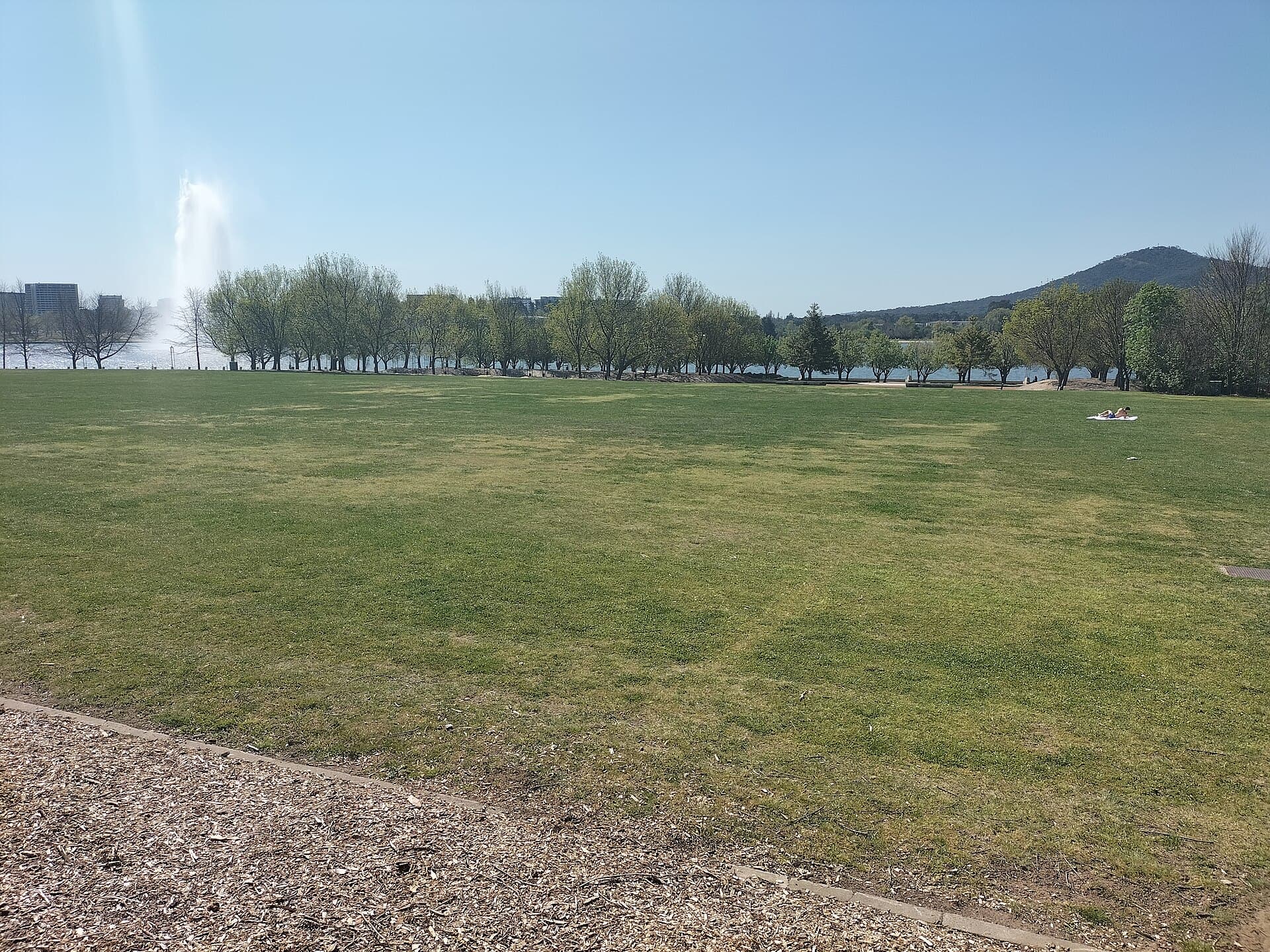
Canberra Peace Park provides a calm counterpoint to the city’s grand civic architecture. Positioned within the Parliamentary Triangle, the park serves as a living memorial to the pursuit of peace, featuring native plantings, open lawns, and sculptural elements that encourage quiet contemplation rather than hurried sightseeing.
What to See and Do
Stroll the central pathways lined with trees chosen for their symbolic associations with reconciliation and renewal. Look for inscriptions and modest monuments that highlight Australia’s contributions to international peacekeeping efforts. The open grassed areas are ideal for picnics or simply sitting with a book, while the park’s layout rewards slow exploration rather than structured tours.
Practical Activities
- Photograph the interplay of light on the water features that border parts of the site.
- Combine a visit with a lakeside walk along nearby Lake Burley Griffin.
- Use the space for quiet reading or sketching, especially on weekdays when crowds are light.
How to Get There
Canberra Peace Park lies within easy reach of the city centre on foot or by bicycle via the extensive lakeside paths. Public buses serving the Parliamentary Triangle stop nearby, and several car parks are available around the surrounding government precincts. The flat terrain makes the park accessible for visitors with mobility needs.
Best Time to Visit
Spring (September to November) brings mild temperatures and flowering natives that soften the park’s formal lines. Autumn (March to May) offers cooler days and fewer tourists, creating an especially peaceful atmosphere. Summer visits are possible but plan for early mornings or late afternoons to avoid heat. Winter days are crisp and often clear, suiting those who enjoy solitude.
Nearby Attractions
Combine your visit with the National Library of Australia, the High Court of Australia, or a circuit around Lake Burley Griffin. The park’s central location also places it within walking distance of Reconciliation Place and the National Gallery of Australia, allowing a full day of reflective cultural exploration without needing transport between sites.