History of Burg Blomendal
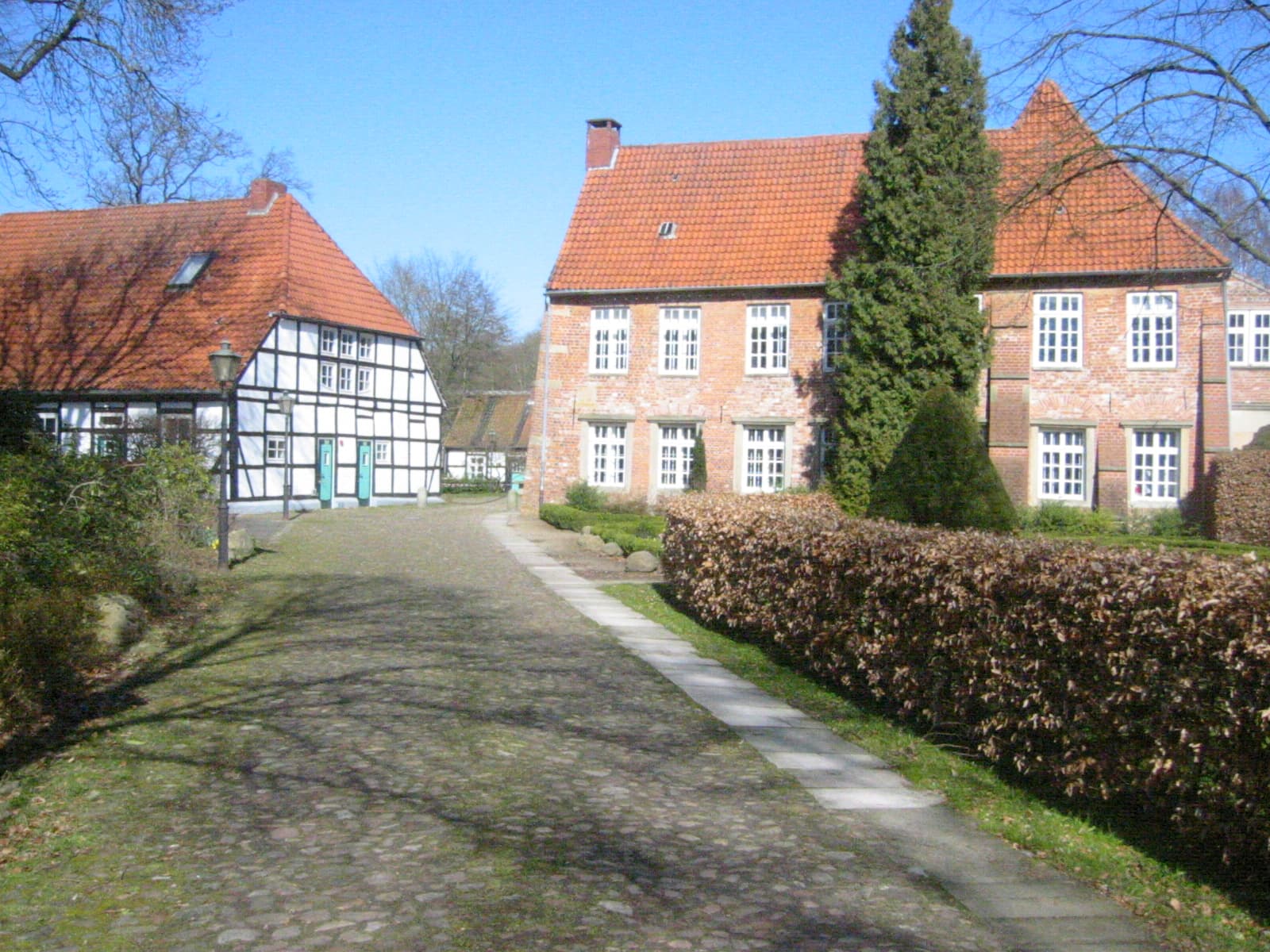
Burg Blomendal stands as one of the few surviving water castles in the Bremen region. Built in the mid-14th century by the lords of Blumenthal, the fortress originally served defensive purposes along local trade routes. Its moat and brick construction reflect typical North German medieval architecture. Over centuries it passed through noble families before becoming municipal property in the 20th century, when restoration preserved its original layout.
What to See and Do
Visitors can walk the full circuit of the moat for views of the fortified walls and corner towers. Inside the main building a small museum displays artifacts from Blumenthal’s shipbuilding past and rural life. The surrounding park features mature trees and open lawns ideal for picnics. Seasonal events occasionally include craft demonstrations and historical reenactments that highlight the castle’s role in regional trade.
Architecture Highlights
- The intact gatehouse with its original drawbridge mechanism.
- Brick gables showing stepped patterns typical of Hanseatic builders.
- Interior vaulted cellars used historically for storage.
Getting There
Reach Burg Blomendal by regional train to Bremen-Blumenthal station, followed by a ten-minute walk or short bus ride along the main road. Cyclists appreciate the flat Weser cycle paths that connect the castle directly to central Bremen. Drivers find limited parking outside the park entrance; public transport avoids congestion during summer weekends.
Best Time to Visit
Late spring through early autumn offers the most comfortable conditions for exploring the grounds and moat paths. Autumn brings colorful foliage around the water, while winter visits focus on the museum’s indoor exhibits. Avoid major German holiday weekends when local families fill the park.
Nearby Attractions
Combine a castle visit with the nearby Blumenthal harbor area, where restored warehouses tell the story of Bremen’s maritime industry. The Vegesack district, reachable by a short train hop, offers additional museums and riverside promenades. The larger city center of Bremen lies about 15 kilometers south for those extending their day to the cathedral and market square.