Skip to content
Plan & Tour
DestinationsItinerariesTravel BlogAboutContact
0Sign inPlan a trip
Plan & TourPlan & Tour

Travel guides, destination inspiration and curated itineraries for Canada, the USA and beyond, plus a free tool to plan your own day-by-day trip.

Get travel inspiration

Explore

  • All Destinations
  • Curated Itineraries
  • Travel Blog
  • Plan a Trip

Topics

  • Hiking & Nature
  • Food & Drink
  • City Breaks
  • Budget Travel

Company

  • About Us
  • Contact
  • Privacy Policy
  • Terms of Service

© 2026 Plan & Tour. Built for travellers.

Discover the world, one trip at a time.

B
  1. Home
  2. Destinations
  3. Chocó Department
  4. Bojayá River: Exploring Colombia’s Wild Chocó Waterway
River

Bojayá River: Exploring Colombia’s Wild Chocó Waterway

The Bojayá River winds through one of the world’s most biodiverse rainforests, offering visitors an authentic immersion in Chocó’s Afro-Colombian culture and untouched nature.

Chocó DepartmentUpdated 27 November 2026

Why the Bojayá River Draws Travelers

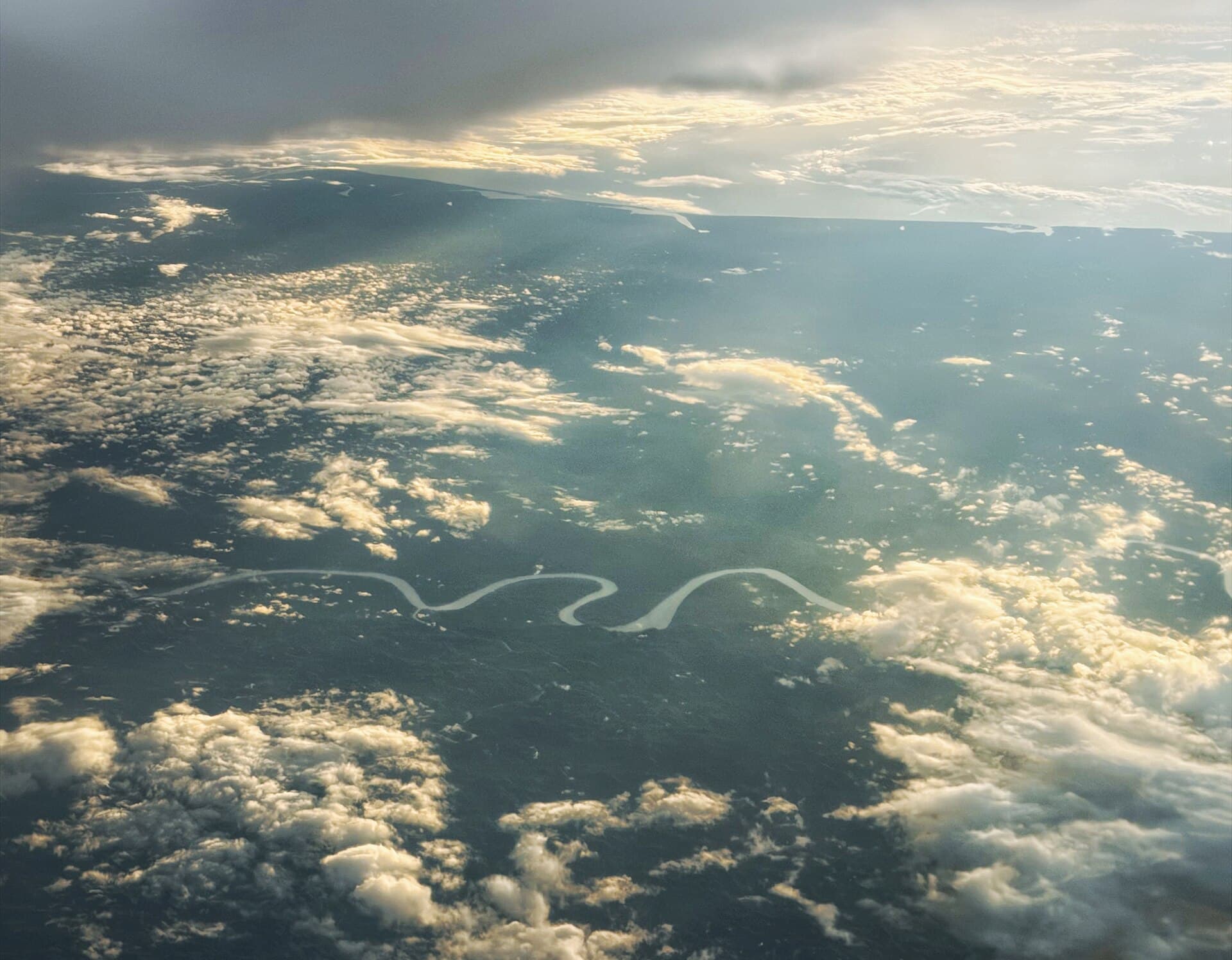
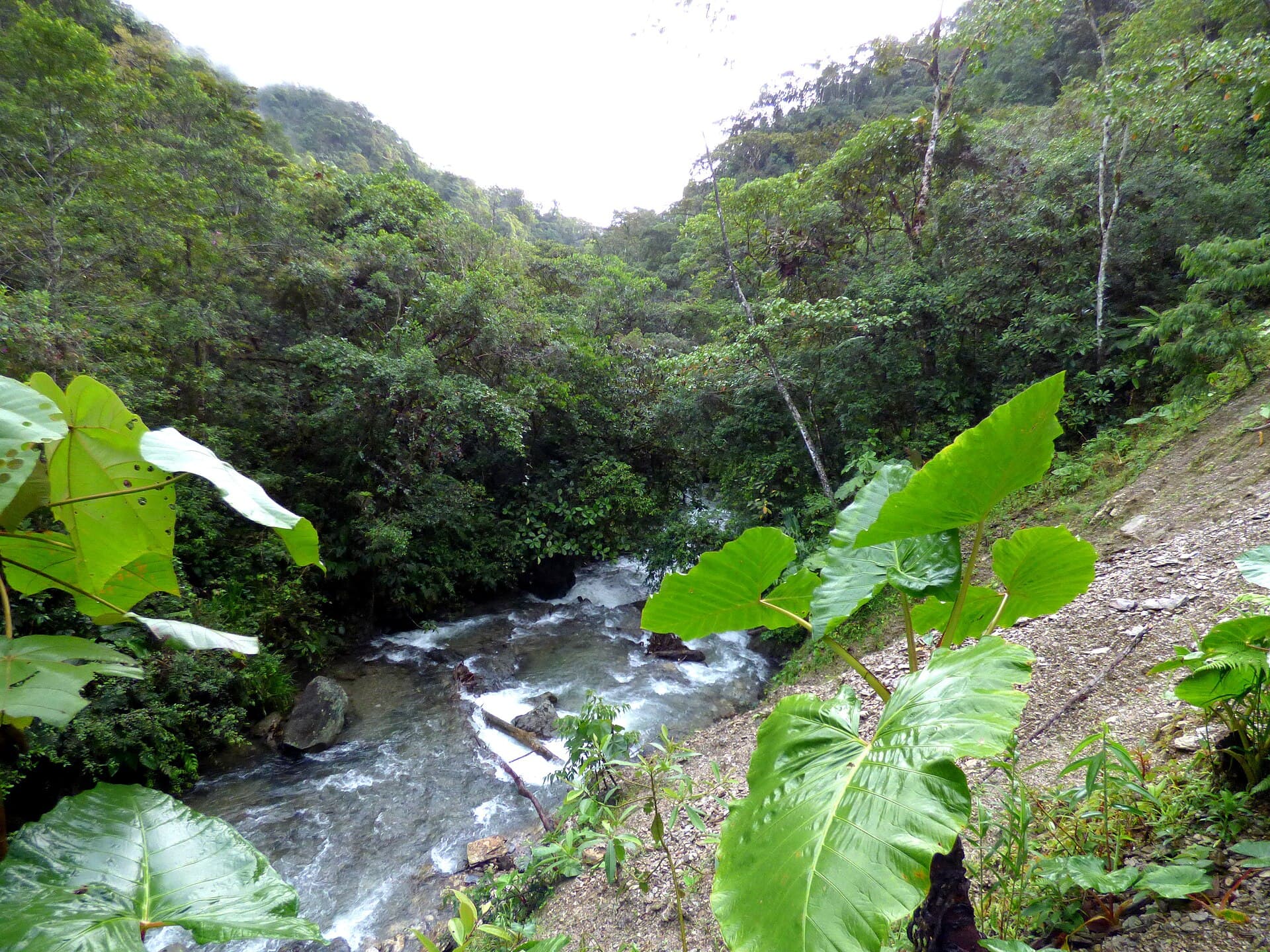
Flowing through the dense forests of Chocó Department, the Bojayá River provides a rare window into Colombia’s Pacific lowlands. Its dark waters cut through primary rainforest that shelters jaguars, harpy eagles, and countless amphibian species. Travelers reach remote Afro-Colombian communities where river travel remains the main form of transport, giving a genuine sense of life along the waterway.

Getting There

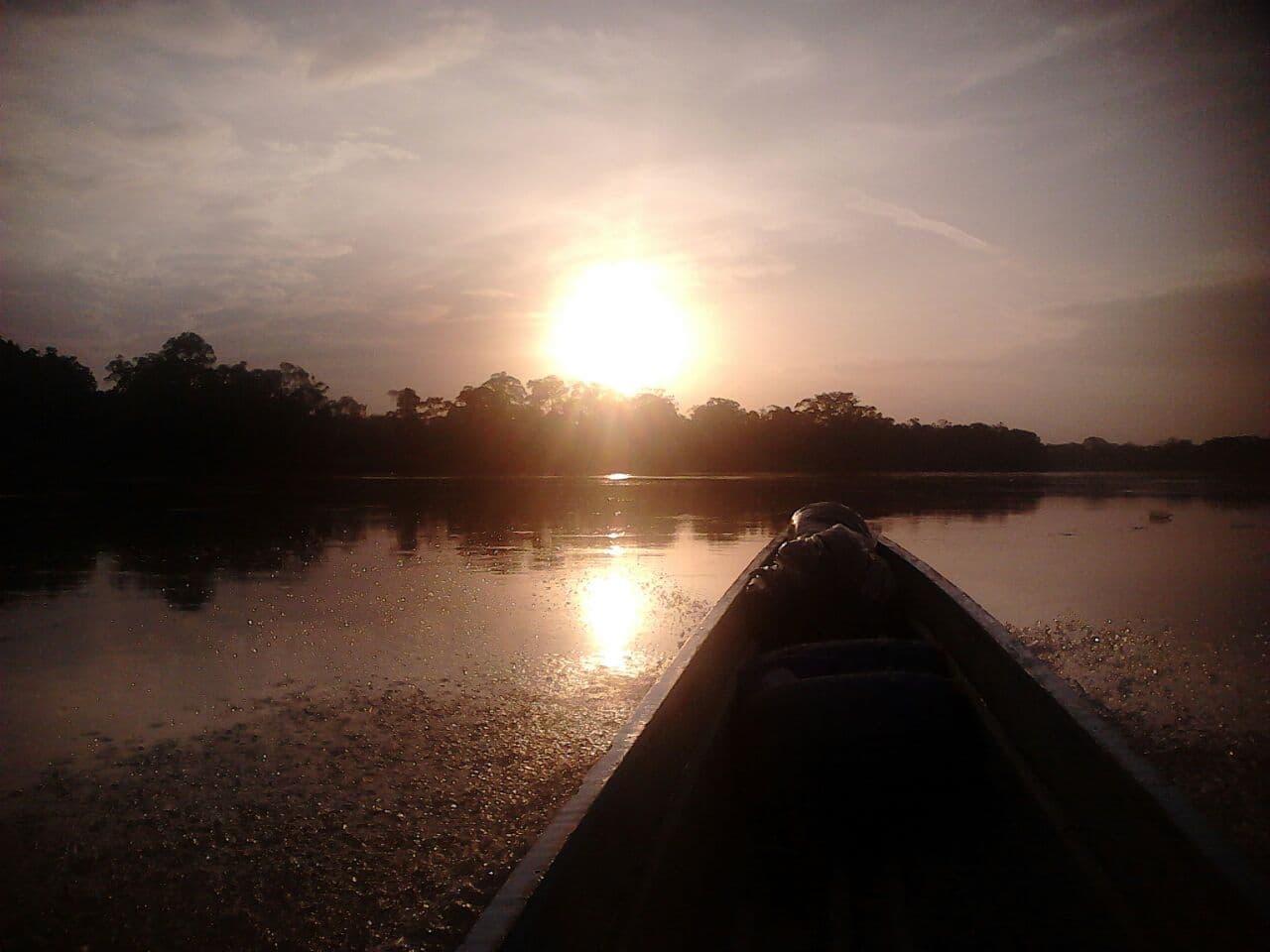
Most visitors start in Quibdó, the departmental capital, then continue by motorized canoe along the Atrato River before turning into the Bojayá. The final stretch requires a smaller boat or dugout canoe. Roads are limited, so river transport is both practical and scenic. Arrange transfers through local operators familiar with the route.

Best Time to Visit

Chocó receives rain throughout the year, yet December through March tends to bring slightly lower river levels and fewer downpours, making navigation and forest walks easier. April and May see the heaviest rains, turning trails into mud and raising water levels quickly. Plan flexible itineraries regardless of season.

Things to Do Along the River

  • Take a full-day canoe journey to observe riverbanks lined with giant ceiba trees and listen for howler monkeys at dawn.
  • Visit Bellavista village to learn about community-led conservation projects and sample fresh river fish prepared with local plantains.
  • Go birdwatching at first light when species such as the blue-and-yellow macaw and various kingfishers are most active.
  • Join a guided night paddle to spot caimans and listen to the forest’s nocturnal chorus.

Nearby Places Worth Exploring

Upstream, the Atrato River offers longer excursions toward the Gulf of Urabá. Downstream, the Bojayá meets broader wetlands rich in mangroves and migratory shorebirds. Some travelers extend their trip to the coastal town of Nuquí for Pacific beaches and whale watching between June and October.

Because the region remains remote, independent travel is discouraged. Local guides provide both safety and deeper cultural context, including the area’s difficult recent history. Respect community rules about photography and sacred sites, and carry out all waste to preserve the river’s clarity.

Visitor tips

  • Hire a local guide and boat operator in Quibdu00f3 or Bellavista; navigation knowledge and community permissions are essential.
  • Pack lightweight rain gear, quick-dry clothing, and sturdy rubber boots for muddy riverbanks and sudden showers.
  • Learn basic Spanish phrases and respect local customs around photography and sacred river sites.

Frequently asked questions

Is the Bojayu00e1 River safe for tourists?+

The river itself is calm, but the remote setting requires traveling with registered local guides who know current conditions and community protocols.

What kind of wildlife might I see?+

Expect river otters, caimans, toucans, and a wide variety of frogs. Larger mammals such as tapirs are present but rarely spotted without patient, guided night walks.

How long should I plan to stay?+

Two to three nights allow time for a river journey, village visits, and at least one forest walk without feeling rushed.

Do I need special permits?+

Community tourism associations usually handle entry permissions; your guide will arrange this in advance.

Can I swim in the river?+

Local guides can point out safe swimming spots away from strong currents, but always check water levels and follow their advice.

Share
Google Maps Apple Maps Directions

Keep reading

Nearby & related

All stories
Tatamá National Natural Park: Hiking Colombia’s Rugged Chocó Cloud Forests
Chocó Department

Tatamá National Natural Park: Hiking Colombia’s Rugged Chocó Cloud Forests

Tatamá National Natural Park offers hikers and birdwatchers pristine páramo, waterfalls, and rare Andean wildlife in…

27 November 2026
San Juan River: Exploring Colombia’s Wild Pacific Waterway
Chocó Department

San Juan River: Exploring Colombia’s Wild Pacific Waterway

A remote jungle river in Chocó offering biodiversity, Afro-Colombian culture, and off-grid boat adventures.

26 November 2026
Atrato River: Colombia’s Biodiversity Corridor in Chocó
Chocó Department

Atrato River: Colombia’s Biodiversity Corridor in Chocó

Navigate the Atrato River through dense rainforests, vibrant Afro-Colombian communities, and abundant wildlife in…

25 November 2026