
Keep reading
Nearby & related
Atrato River: Colombia’s Biodiversity Corridor in Chocó
Navigate the Atrato River through dense rainforests, vibrant Afro-Colombian communities, and abundant wildlife in…
25 November 2026
A remote jungle river in Chocó offering biodiversity, Afro-Colombian culture, and off-grid boat adventures.
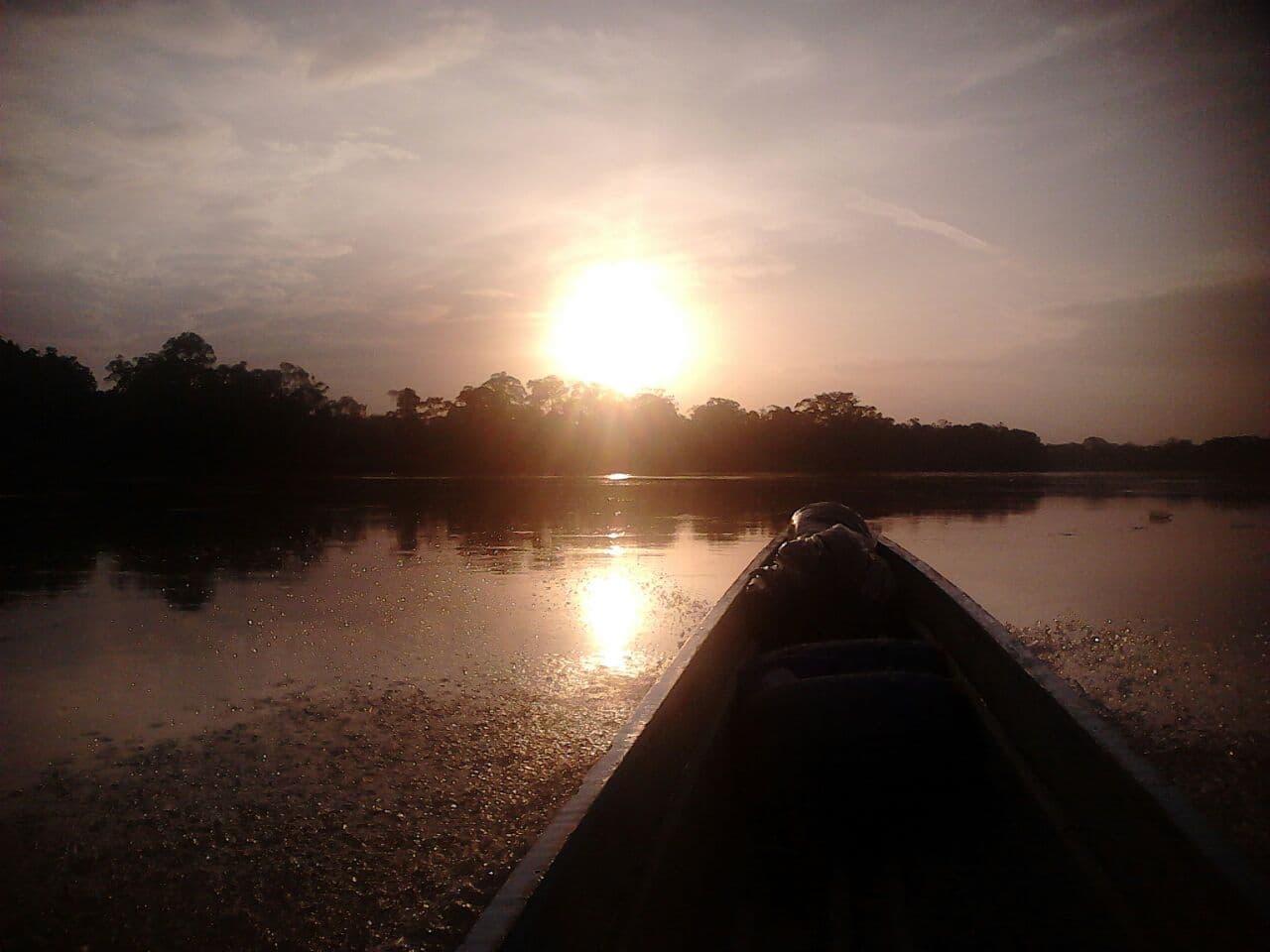
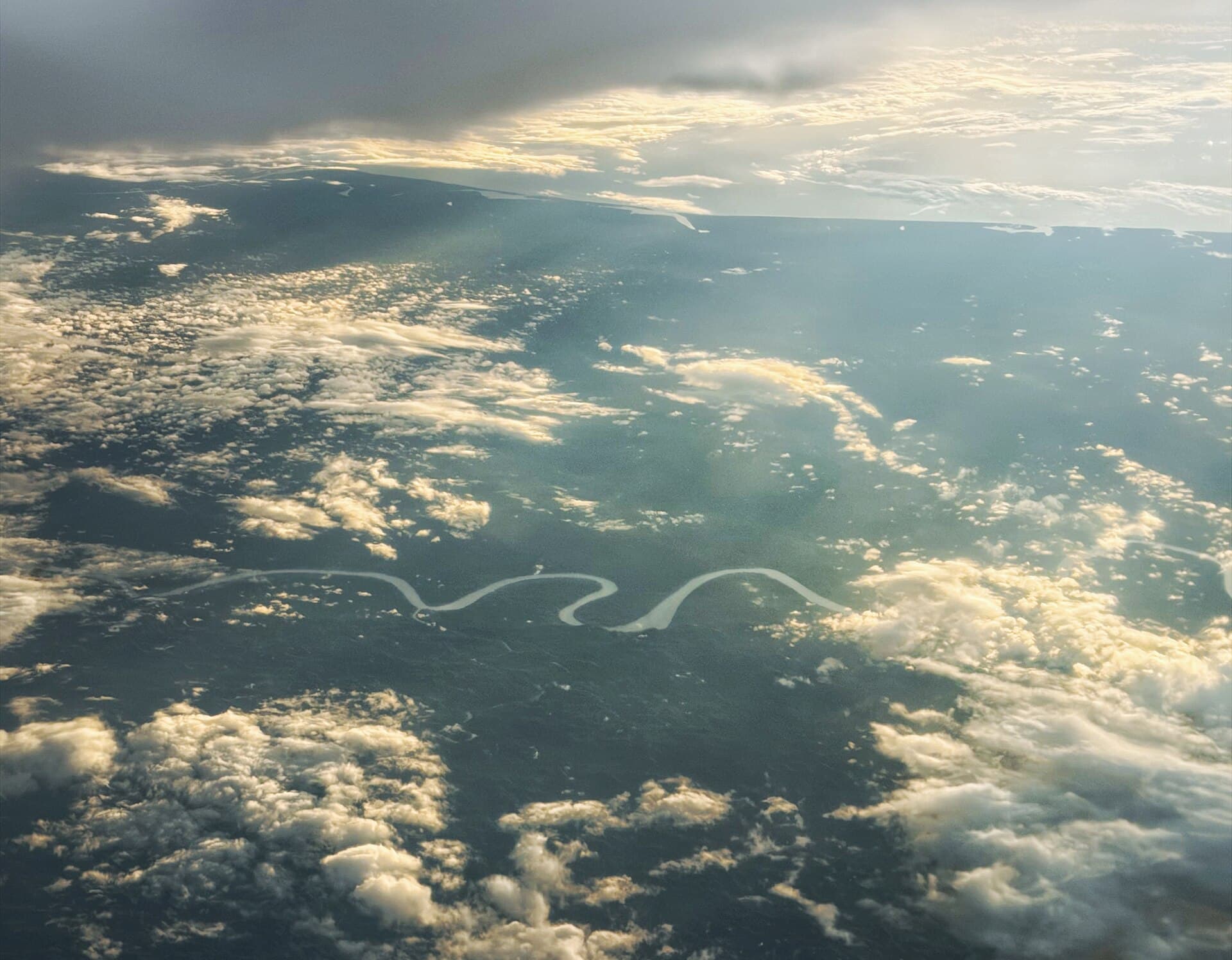
The San Juan River carves through the dense rainforests of Colombia’s Chocó Department, one of the wettest and most biodiverse regions on Earth. Its dark waters flow westward to the Pacific, creating a corridor of mangroves, waterfalls, and wildlife that remains largely untouched by mass tourism. Travelers come for the raw nature, the chance to travel by traditional dugout canoe, and the opportunity to experience Afro-Colombian river communities that have lived along its banks for generations.
Boat journeys are the main activity. Visitors typically hire local boatmen for multi-day trips that stop at remote villages, hot springs, and tributary creeks ideal for swimming. Birdwatching is exceptional; the area hosts thousands of species including harpy eagles and colorful toucans. Fishing for snook and tarpon is popular with locals and guides. Some travelers extend their stay to visit nearby coastal points where humpback whales can be seen breaching between June and October.
Stopping at riverside settlements allows respectful interaction with communities that maintain traditional fishing and farming practices. Guests often learn about local cuisine featuring river fish, plantains, and coconut.
Most visitors fly into Quibdó or Bahía Solano, then transfer by road or boat to river access points near Istmina or Docampadó. From there, motorized canoes or chalupas provide the only practical transport deeper into the watershed. Independent travel requires arranging transport in advance through local operators.
Although Chocó receives heavy rainfall year-round, the relatively drier months of December through April offer better river levels for navigation and fewer downpours. June to October coincides with whale season on the adjacent coast, making combined river-and-sea itineraries attractive.
The river connects to Pacific beaches and the Utría National Park, where coral reefs and sea turtle nesting sites can be reached by boat. Inland, the dense jungle trails lead to waterfalls and indigenous territories in the Serranía del Baudó range.
Most visitors spend three to five days traveling sections of the river by boat, staying overnight in community lodges or camping.
The area is remote and requires careful planning. Travelers should use reputable local guides, avoid traveling alone, and check current security advisories before arrival.
Expect monkeys, sloths, river otters, colorful birds, and occasionally caimans. The surrounding rainforest supports one of the highest concentrations of species in Colombia.
No national park permit is required for the main river, but some communities ask for small contributions or prior arrangement for overnight stays.
Yes. Many itineraries end at the Pacific coast near Bahu00eda Solano, where humpback whales are visible from June through October.
Keep reading
Navigate the Atrato River through dense rainforests, vibrant Afro-Colombian communities, and abundant wildlife in…