History and Significance
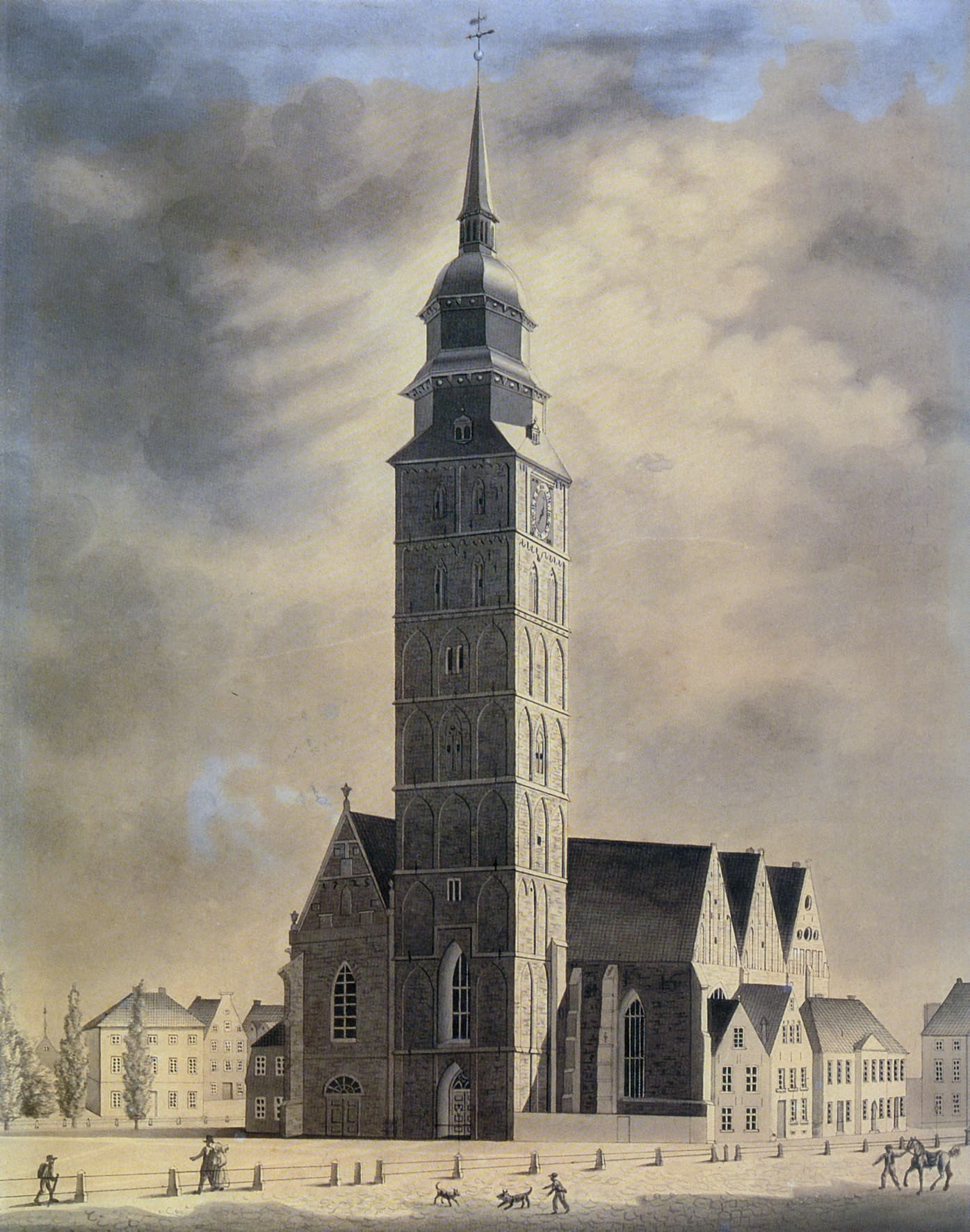
St Catherine’s Monastery stands as a quiet witness to Bremen’s medieval past, originally founded as a Franciscan establishment that later served the city’s religious and communal life. Its location in the Mitte district places it at the crossroads of Bremen’s old town, where merchants and clergy once mingled amid the Hanseatic trading networks.
What to See and Do
Architecture and Grounds
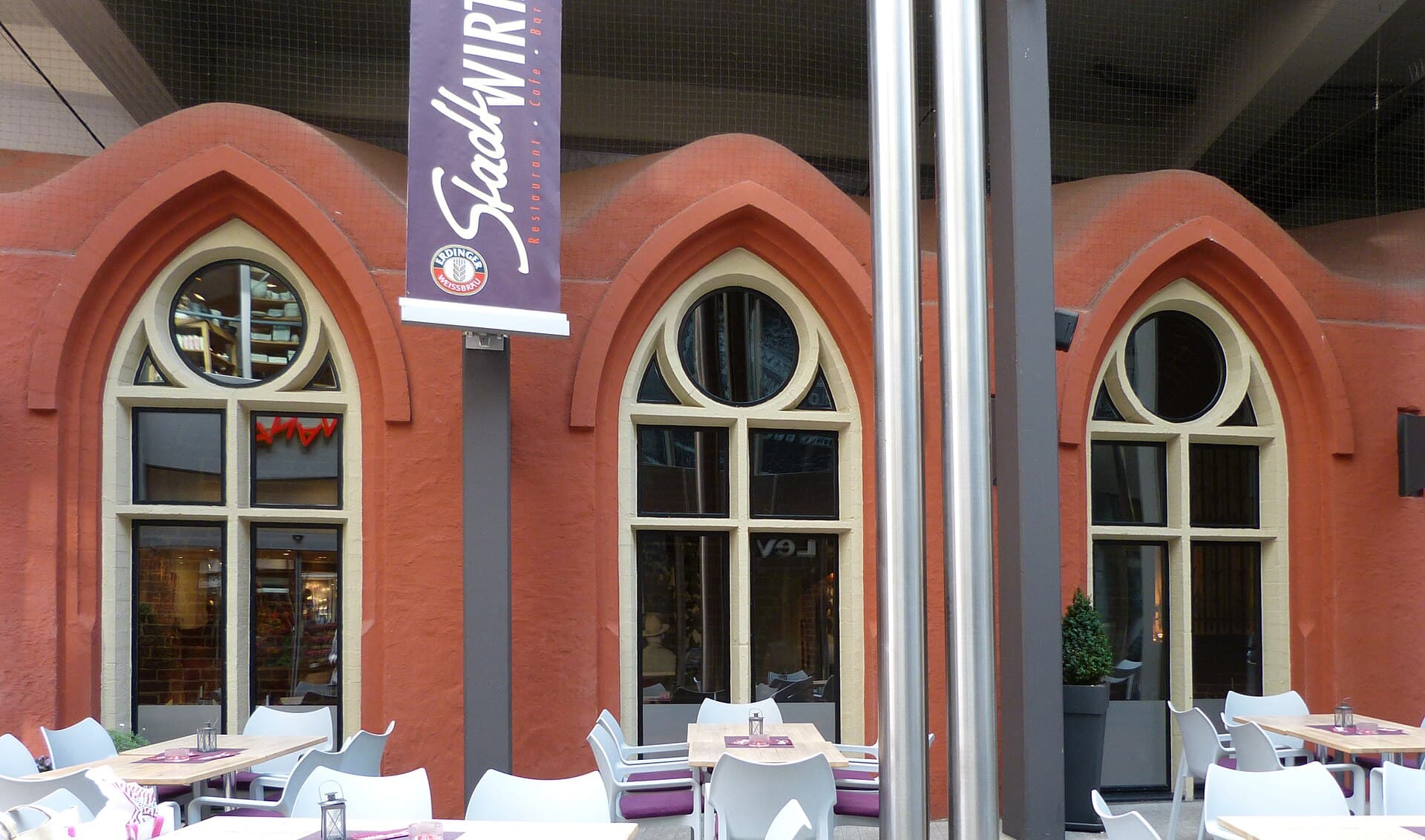
Visitors can admire the preserved cloister walkways, simple stone arches, and the modest chapel that retains traces of Gothic design. The enclosed garden offers a green refuge from the surrounding urban bustle, with seasonal plantings that highlight the monastery’s historical self-sufficiency.
Cultural Context
Interpretive panels and occasional exhibitions detail the daily routines of the monks and the monastery’s role during Bremen’s rise as a major port. The site connects directly to the city’s broader narrative of trade, reform, and resilience.
Best Time to Visit
Spring through early autumn brings mild weather ideal for lingering in the garden and combining the visit with outdoor exploration of the old town. Winter visits offer a contemplative atmosphere with fewer visitors, though the stone interiors feel cooler.
How to Get There
The monastery sits within easy walking distance of Bremen’s main railway station and the central market square. Public trams and buses stop nearby, while cyclists can use the extensive network of paths leading into Mitte. Parking is limited in the historic core, so arriving on foot or by public transport is recommended.
Nearby Attractions
Just minutes away lie the Bremen Cathedral, the Roland statue on the market square, and the charming Schnoor quarter with its narrow lanes and craft shops. The monastery serves as a calm starting point for a full day of historic exploration in the city center.