Why Visit Bennett Lake
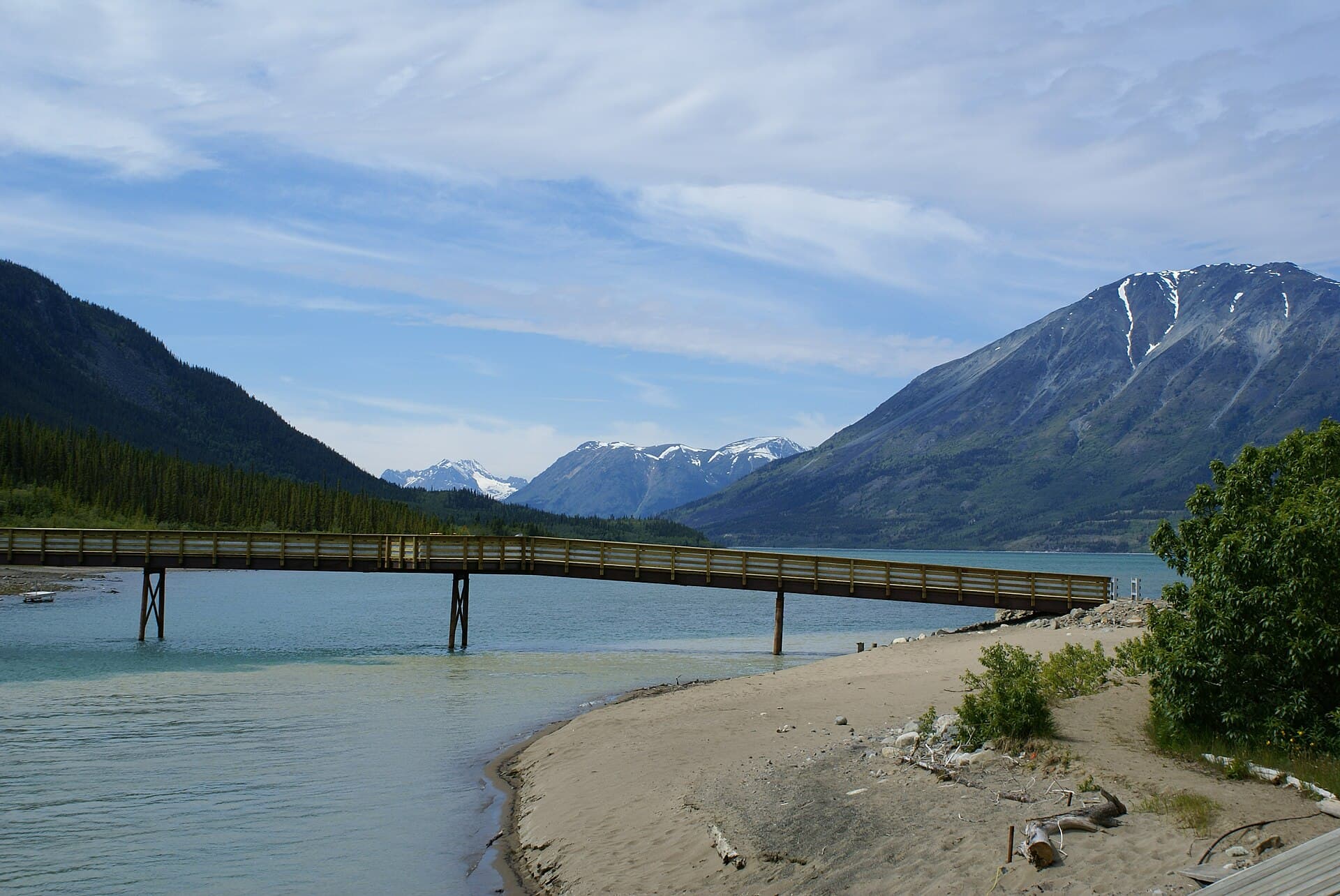
Bennett Lake sits at the northern tip of British Columbia, straddling the border with Yukon. Its calm waters and surrounding peaks draw visitors seeking solitude and a direct connection to Klondike Gold Rush history. Stampeders once gathered here in 1898 to build boats and float toward Dawson City, leaving behind a tangible sense of frontier adventure.
Getting There
Access requires planning. Most travelers arrive via the White Pass & Yukon Route railway from Skagway, Alaska, which stops at the lakeside Bennett historic site. Drivers can reach the area on the South Klondike Highway, though the final stretch involves gravel roads best suited to high-clearance vehicles. Float planes from Whitehorse also provide scenic aerial views before landing on the lake.
Best Time to Visit
Late June through early September offers the most reliable weather for boating and hiking. Wildflowers carpet the shores in July, while August brings cooler nights ideal for camping. Winter visits are possible for experienced snowmobilers but demand extreme preparation for sub-zero temperatures and limited daylight.
Things to See and Do
Walk the preserved Bennett historic site to view restored buildings and interpretive signs explaining the gold rush encampment. Rent a canoe or kayak to paddle the lake’s sheltered bays and watch for loons and moose along the shoreline. Nearby hiking trails climb into alpine meadows with panoramic views of the Coast Mountains. Anglers cast for lake trout and Arctic grayling in deeper waters. For a longer adventure, join a multi-day paddle that follows the historic Yukon River route downstream.
Nearby Attractions
- Log Cabin and Fraser are small historic stops along the railway line offering additional gold-rush context.
- The Chilkoot Trail’s northern terminus lies just south, allowing ambitious hikers to connect two legendary routes.
- Whitehorse, roughly two hours north, supplies resupply options and urban amenities after days in the backcountry.
Practical Considerations
Cell service is nonexistent, so carry satellite communication and detailed maps. Wildlife encounters, especially bears, are common; travel in groups and store food properly. Respect the fragile subarctic environment by packing out all waste and staying on established trails.