
Keep reading
Nearby & related
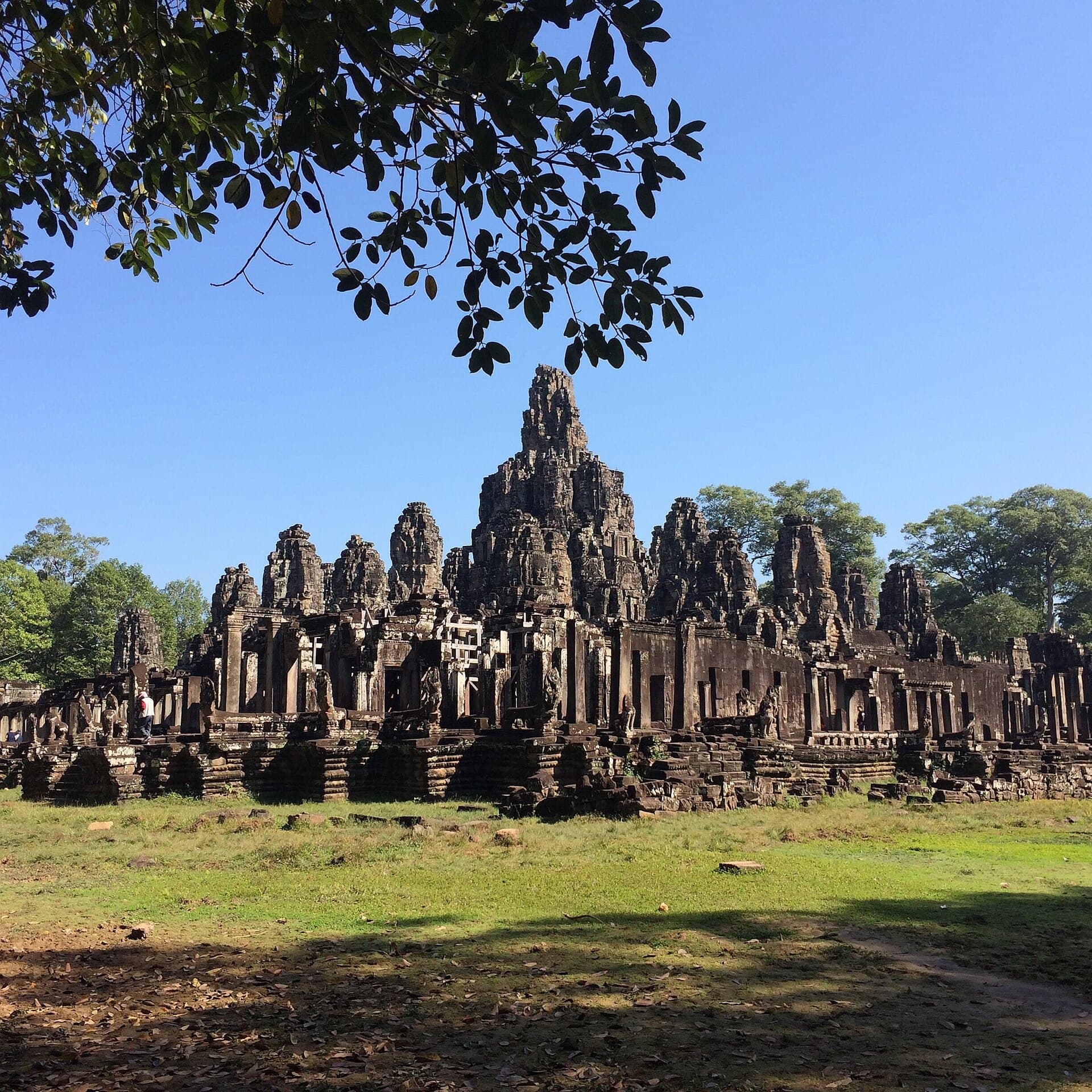
Bayon: The Enigmatic Temple of Smiling Faces in Angkor Thom
Discover the 216 serene stone faces and intricate bas-reliefs of this 12th-century Khmer masterpiece at the heart of…
19 October 2026
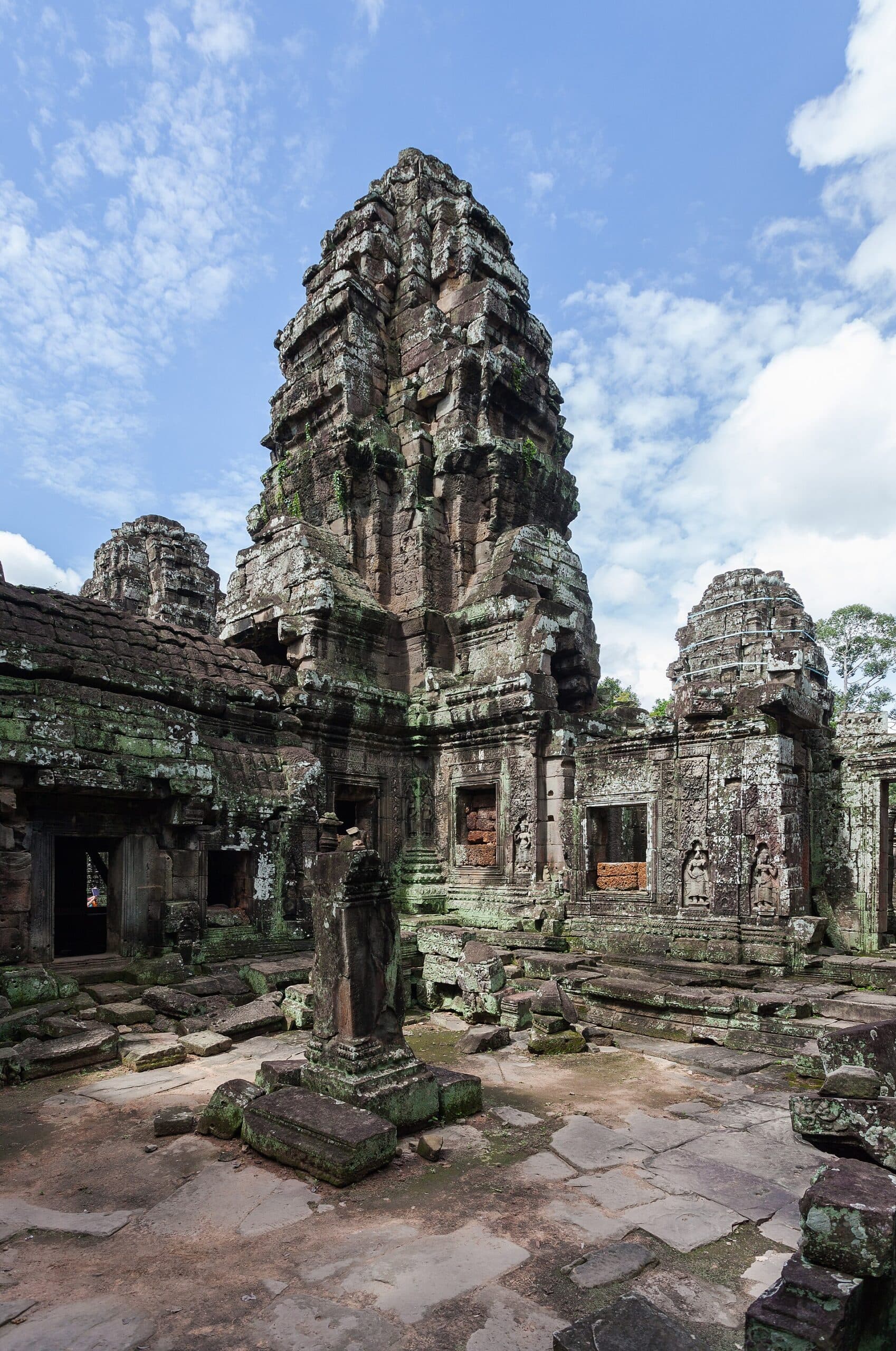
Wander through the quiet courtyards and richly carved galleries of Banteay Kdei, one of Angkor’s most atmospheric and least crowded temples.
Banteay Kdei stands as a serene Buddhist temple within the ancient walled city of Angkor Thom. Built in the late 12th and early 13th centuries under King Jayavarman VII, it served as a monastery and place of worship, its sandstone walls covered in delicate apsara carvings and floral motifs that still catch the light beautifully.
The layout follows a classic Angkorian plan with three enclosing galleries surrounding a central sanctuary. Visitors enter through the eastern gopura and move inward past cruciform terraces and libraries. Look for the four-faced towers that echo those at the nearby Bayon, though here the faces appear gentler and more contemplative. Many walls feature intricate bas-reliefs of dancers, deities, and mythical creatures, while strangler figs and silk-cotton trees have grown through the laterite and sandstone, creating striking natural frames around doorways and windows.
Banteay Kdei lies inside the southern section of Angkor Thom, easily reached by bicycle, tuk-tuk, or private car along the main temple circuit road. Most visitors arrive as part of a full-day Angkor pass itinerary. The temple sits roughly 1.5 kilometers southeast of the Bayon and about 400 meters west of Ta Prohm, making it a natural stop between those two popular sites.
The cooler dry months from November through February offer the most comfortable conditions for walking the grounds. Early morning visits, just after sunrise, provide softer light for photography and fewer crowds. Avoid the peak midday heat between 11 a.m. and 2 p.m., when shade is limited inside the galleries.
After exploring Banteay Kdei, continue to the atmospheric Ta Prohm, famous for its massive tree roots, or head north to the royal terraces and the towering faces of the Bayon. The entire Angkor Thom enclosure contains additional sites such as Baphuon and Phimeanakas, allowing visitors to spend a full day immersed in Khmer history without leaving the ancient city walls.
Most visitors allow one to two hours, enough time to walk the galleries and courtyards at a relaxed pace.
Yes, the temple is covered by all multi-day Angkor passes and requires no additional fee.
Licensed guides can be hired at the main Angkor ticket office or through hotels; they add valuable context to the carvings and history.
The terrain is mostly flat but includes steps and uneven stones; those with mobility concerns may find the inner areas challenging.
Absolutely; independent travelers on bicycles or with private drivers can explore freely at their own pace.
Keep reading
Discover the 216 serene stone faces and intricate bas-reliefs of this 12th-century Khmer masterpiece at the heart of…