Why Bana Mountain Stands Out
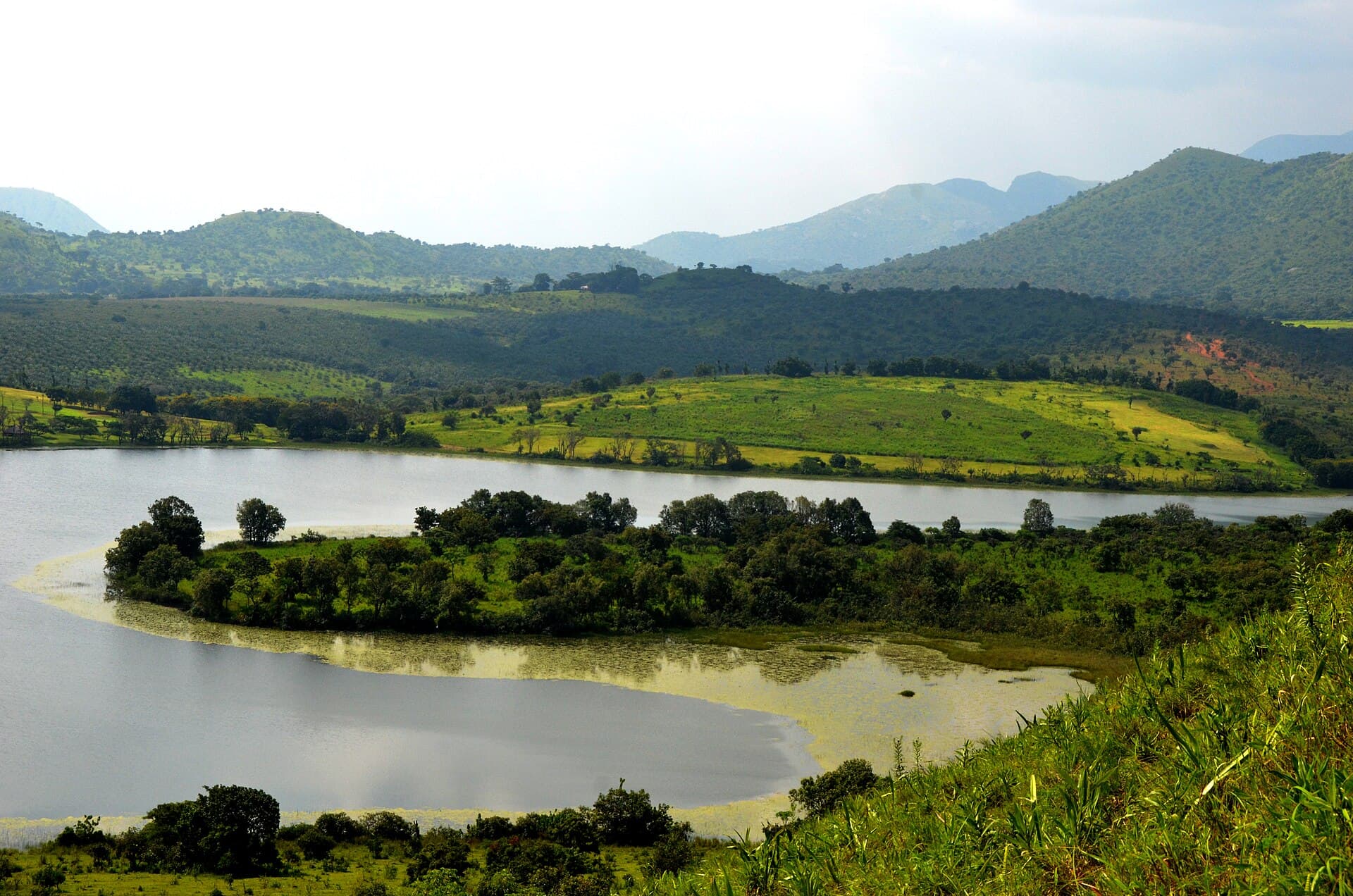
Bana Mountain rises above the rolling hills of Cameroon’s West Region, offering hikers a rewarding mix of steep paths, dense vegetation, and sweeping views across the Bamileke plateau. Its slopes support coffee plantations, banana groves, and pockets of montane forest that shelter birds and small mammals rarely seen in more developed tourist areas.
Getting There
Travelers reach the mountain by road from Bafoussam, roughly an hour’s drive west, or from Dschang via the N5 highway and local feeder roads. Shared taxis and motorbike taxis serve the villages at the base; from there, footpaths lead upward. Most visitors arrange a day trip or overnight stay in nearby Bana village, where basic guesthouses and homestays provide simple lodging.
Best Time to Visit
The drier months from November to March offer the clearest skies and firmer trails. April through October brings heavier rains that turn paths slippery and obscure views, though the landscape turns vividly green. Early morning starts are essential year-round to avoid afternoon clouds that often shroud the summit.
What to See and Do
Popular routes begin near Bana village and climb through terraced fields before entering forest. The main trail reaches a broad saddle with 360-degree views toward Mount Cameroon on clear days. Birdwatchers scan for turacos and sunbirds, while photographers capture terraced hillsides dotted with traditional thatched compounds. Local guides can point out medicinal plants and explain Bamileke farming practices still in use on the lower slopes.
Nearby Attractions
Combine a Bana hike with a visit to the Dschang Botanical Garden or the crater lake at Barombi Mbo. The weekly market in Bafoussam provides insight into regional produce and crafts, and the cooler climate of the highlands makes the area pleasant for extended exploration of surrounding villages.