Why the Australian National University Classics Museum Matters
The Australian National University Classics Museum houses a teaching collection of Mediterranean and Near Eastern antiquities that spans more than two thousand years. Unlike larger national institutions, its modest scale allows visitors to study individual objects closely, from painted pottery and bronze figurines to coins and inscribed stones. The museum serves both scholars and the public, offering a direct connection to the material culture of the ancient world within a working university environment.
Highlights of the Collection
Key pieces include Attic black- and red-figure vases depicting myths and daily life, Roman glassware, Egyptian faience amulets and limestone relief fragments from the Near East. Many items were acquired through excavations, donations and purchases dating back to the mid-twentieth century. Labels provide context on manufacture techniques, trade routes and iconography, rewarding slow, repeated viewing.
Getting There
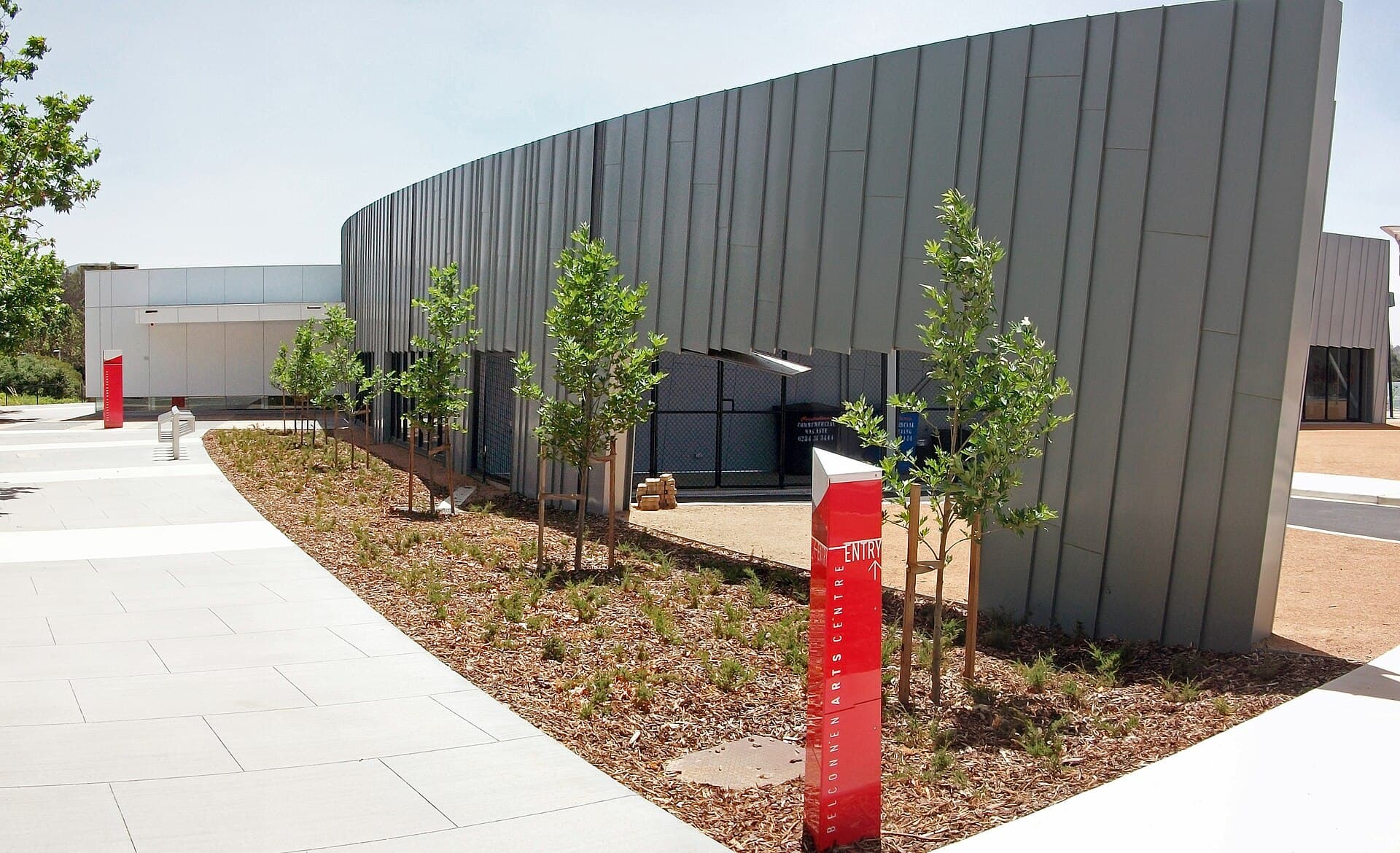
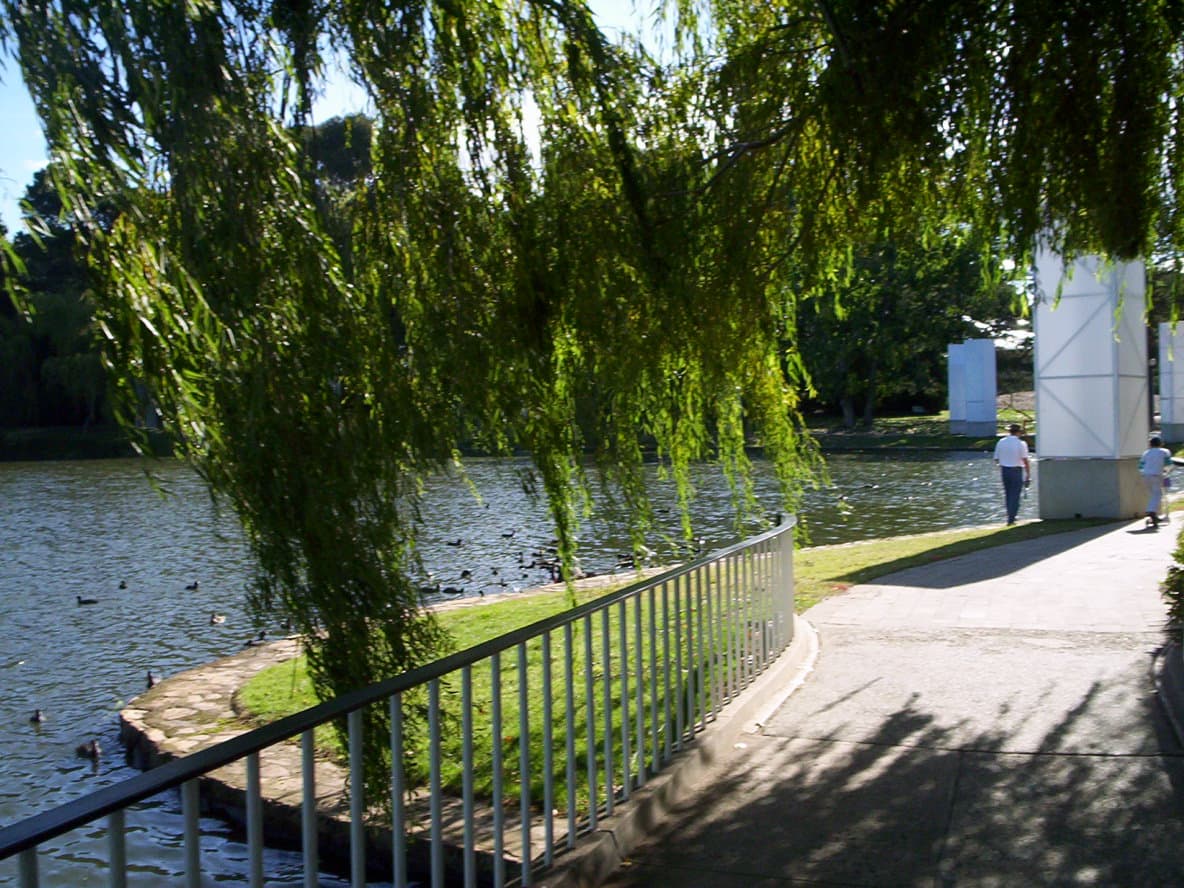
The museum sits on the ANU campus in central Canberra. Visitors can reach it by frequent buses from the city centre or by walking from Civic along Northbourne Avenue and University Avenue. On-site parking is limited, so public transport or cycling is preferable. The campus layout makes it easy to combine a museum visit with a stroll through the surrounding gardens and modern architecture.
Best Time to Visit
Canberra’s mild spring and autumn months deliver comfortable temperatures for walking between buildings. University semesters bring a lively atmosphere with occasional student demonstrations or lectures open to the public. Summer visits suit those seeking quieter galleries, while winter offers fewer crowds and the chance to appreciate the warmth of the indoor displays.
Nearby Attractions
The museum forms part of Canberra’s rich cultural cluster. Within a short walk or quick bus ride lie the National Museum of Australia, the Australian War Memorial and the National Gallery of Australia. Many visitors spend a morning with classical objects before exploring Australia’s modern history or Indigenous heritage collections in the afternoon.