Why Aristazabal Island Stands Out
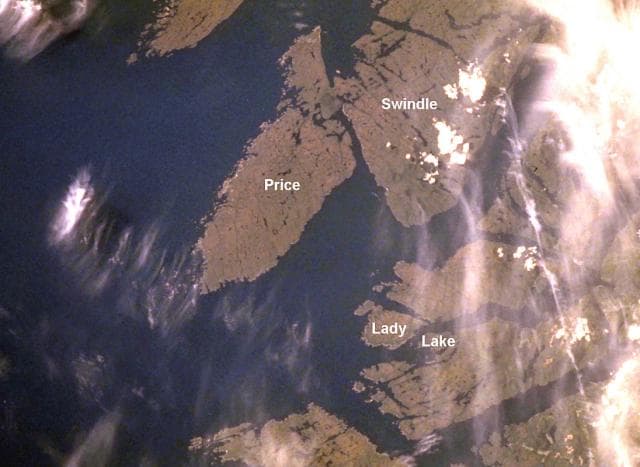
Aristazabal Island lies in the Hecate Strait off British Columbia’s central coast, part of a vast network of islands and channels that form one of North America’s most intact temperate rainforests. Its remote location delivers dramatic shorelines, sheltered bays, and dense cedar-hemlock forest without roads, settlements, or crowds. Visitors come for the sense of true isolation and the chance to observe coastal wildlife in a setting little changed by human presence.
Getting There
Access requires boat or floatplane from Prince Rupert or Kitimat. Most travelers charter vessels or join guided multi-day expeditions that depart from the mainland and travel through the Inside Passage channels. Floatplane flights offer the quickest approach but are weather-dependent. Independent boaters must navigate strong tidal currents and plan for remote anchorages; no facilities exist on the island itself.
Things to Do
Wildlife Viewing and Marine Exploration
Sea otters, harbor seals, and humpback whales frequent the surrounding waters. Black bears often forage along the intertidal zones at low tide. Kayakers and paddleboarders can explore protected coves while watching for seabird colonies and seasonal salmon runs in small streams.
Hiking and Shoreline Walks
Although no maintained trails exist, the rocky beaches and occasional game trails allow for careful exploration on foot. The island’s western shores offer dramatic views across open ocean, while the eastern side provides calmer walking amid driftwood and old-growth forest edges.
Fishing and Photography
Anglers target halibut and salmon in nearby channels under appropriate licenses. Photographers find endless subjects in the shifting light, misty mornings, and rugged coastal geology.
Best Time to Visit
Late spring through early autumn offers the mildest conditions and longest daylight. June and July typically bring calmer seas and peak wildflower displays in open meadows. September can deliver fewer insects and migrating wildlife, though all visits require preparation for sudden weather changes common to the North Coast.
Nearby Places Worth Exploring
Many itineraries combine Aristazabal with stops at Banks Island to the north or the Estevan Group to the west. The broader region connects to the Great Bear Rainforest, where additional wildlife viewing and cultural sites of coastal First Nations can be experienced on extended trips.