A Window into Cantabria’s Distant Past
The Archaeological Site of the Cemetery of Maliaño preserves one of the region’s most significant necropolises, where generations of inhabitants from the Iron Age through Roman times laid their dead to rest. Located in the gentle hills of the Real Valle de Camargo, the site reveals layered burial practices that span centuries, making it an essential stop for anyone interested in the human story behind Cantabria’s coastal landscapes.
What You Will See
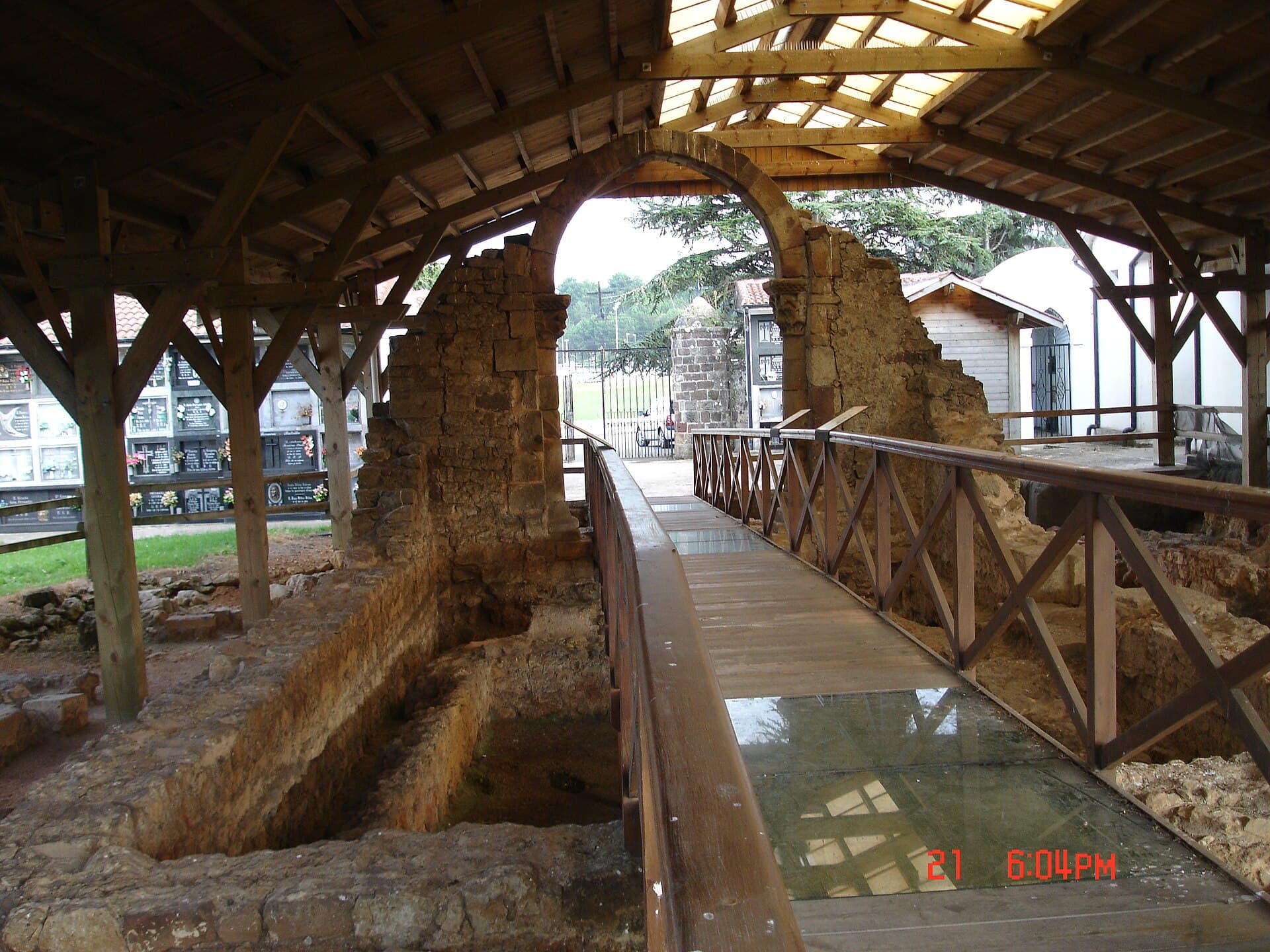
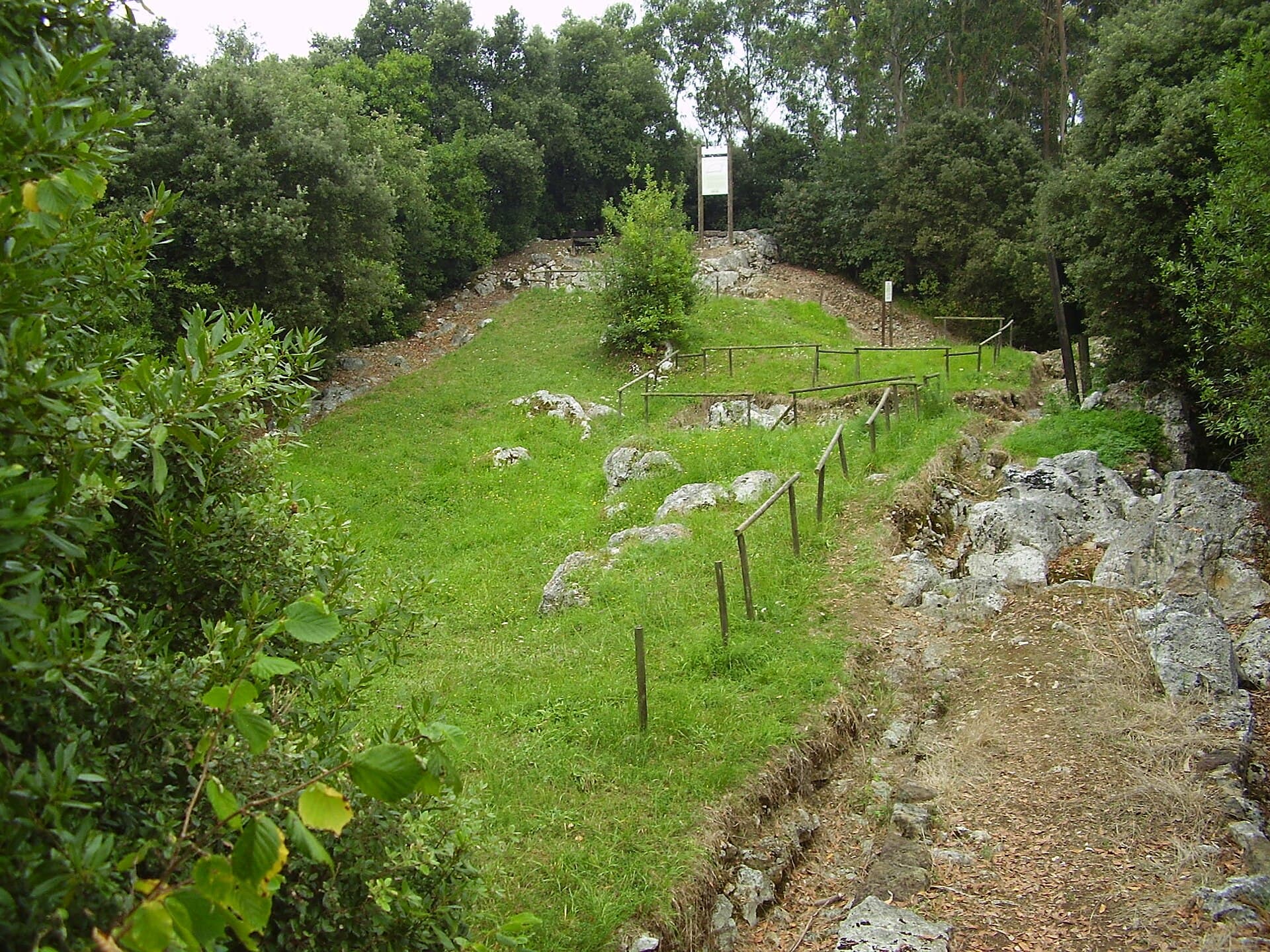
Visitors walk among visible tomb structures, some carved directly into the rock and others built with local stone slabs. Informative panels explain the different burial types, from simple cist graves to more elaborate chamber tombs, and highlight grave goods recovered during excavations. The setting itself is striking: low hills frame views toward the Bay of Santander, reminding visitors that these communities lived at the meeting point of sea and mountain.
Understanding the Layers
Archaeologists have identified successive phases of use, showing how funerary customs evolved. Early burials often included personal ornaments and pottery, while later Roman-influenced graves reflect changing beliefs and trade connections. The site’s compact size allows visitors to grasp these developments in a single, thoughtful circuit.
Getting There and Practical Planning
The site lies a short drive from Santander, easily reached by regional roads through the Camargo valley. Public transport options include buses stopping in nearby Maliaño village, followed by a ten-minute walk. Parking is available at the entrance area. Spring and autumn offer the most comfortable conditions for outdoor exploration, with mild temperatures and fewer crowds than summer months.
Nearby Places Worth Combining
Many travelers pair a visit with the Cabárceno Natural Park, known for its open-air animal reserves, or continue to the beaches and old quarter of Santander itself. The proximity of these destinations turns the cemetery into a natural first stop on a day exploring the Real Valle de Camargo and its surroundings.