Discovering Anderson Lake
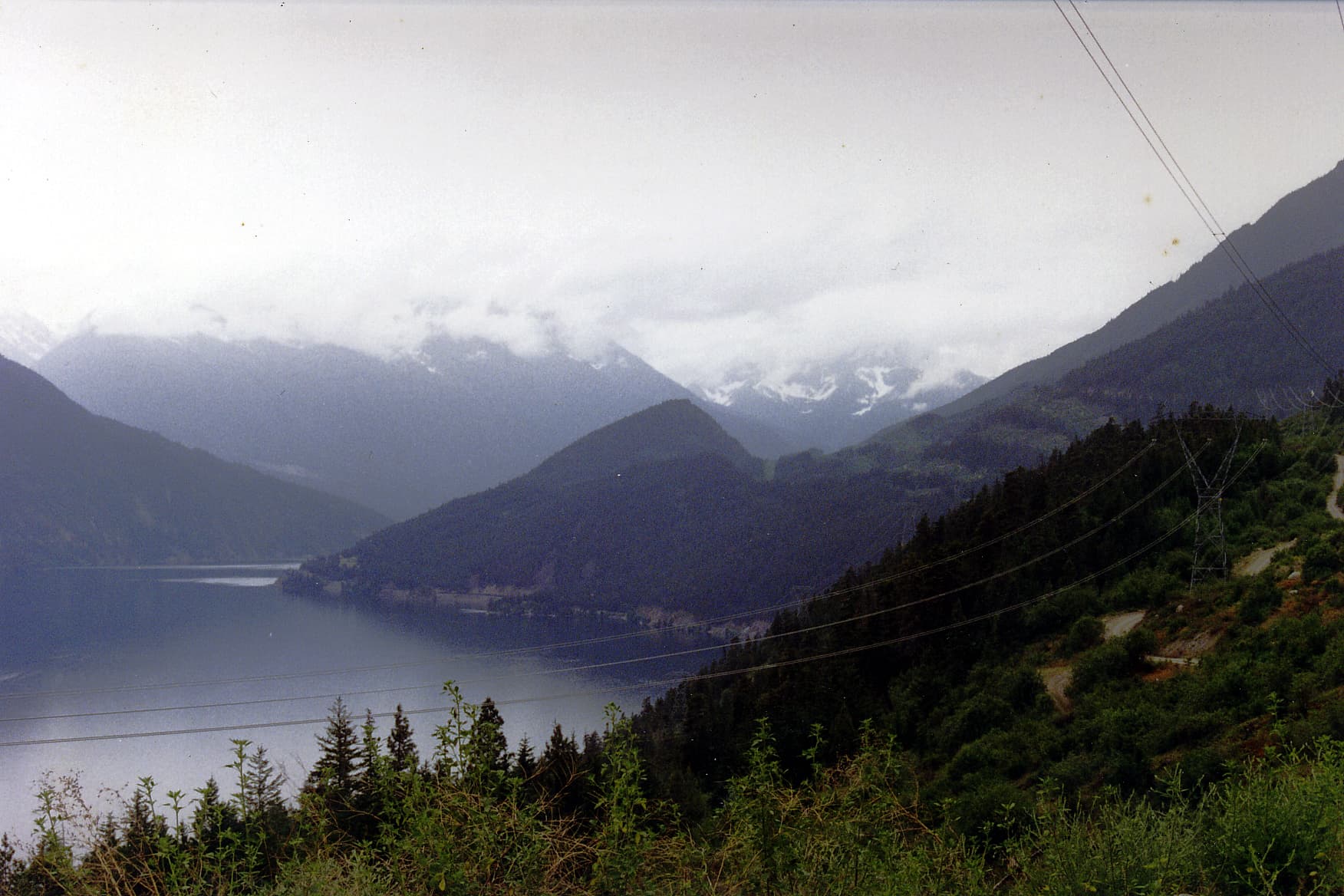
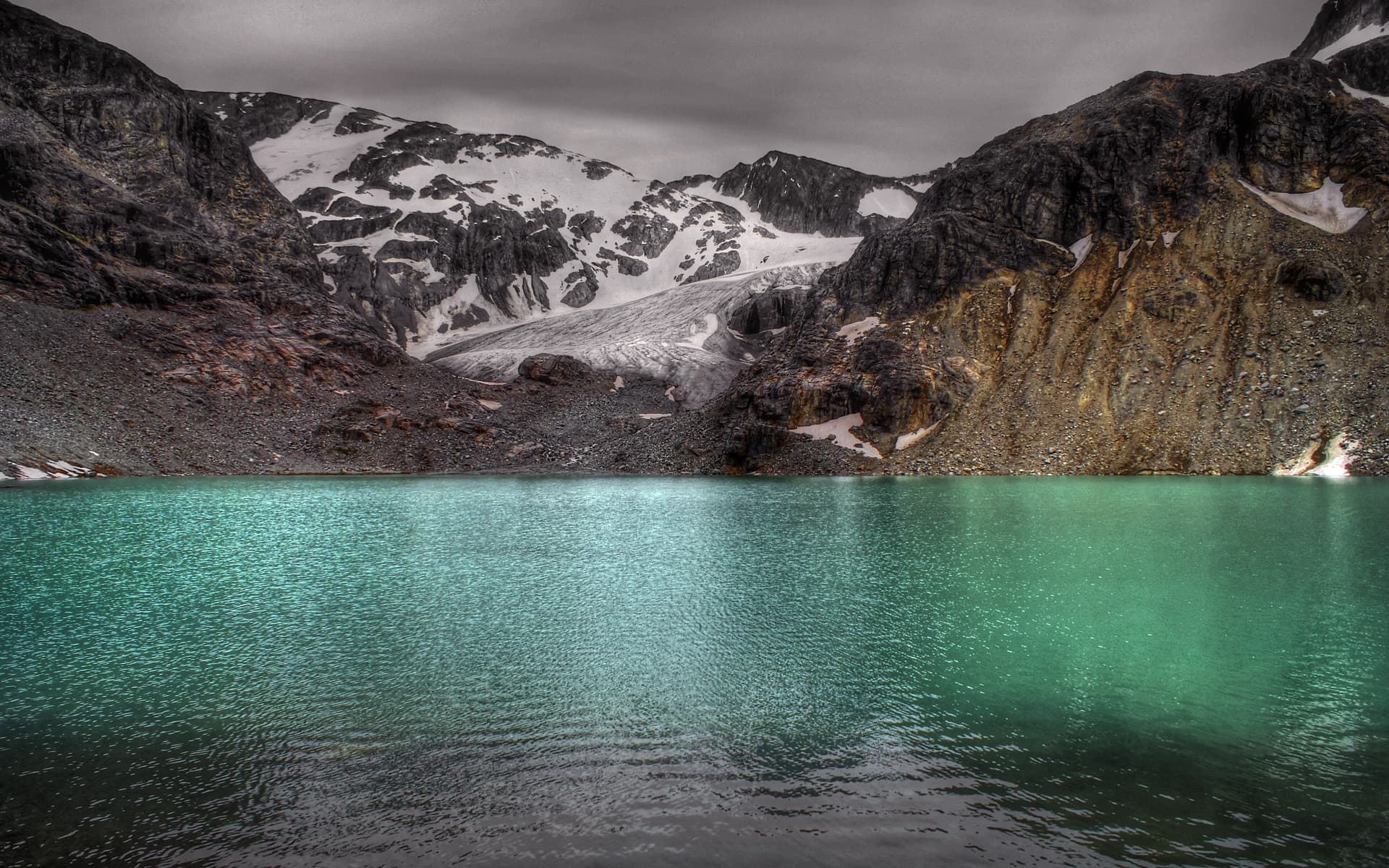
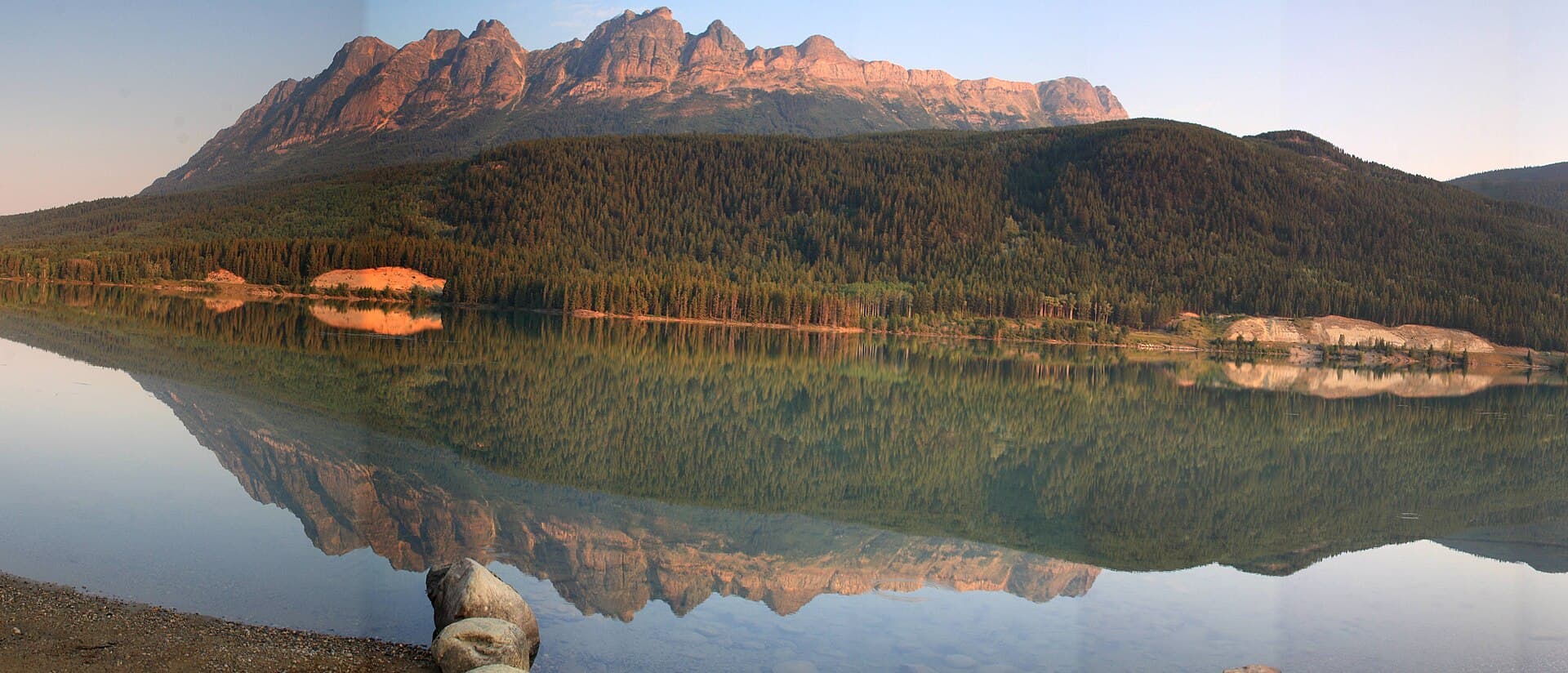
Anderson Lake stretches approximately 21 kilometres through a narrow valley in British Columbia’s Coast Mountains. Its deep, clear waters reflect surrounding peaks and change from turquoise to indigo depending on sunlight and season. The lake sits in a sparsely populated region between the communities of D’Arcy and Seton Portage, giving visitors a genuine sense of wilderness without extreme backcountry travel.
Activities on and Around the Lake
Fishing and Boating
Anglers target rainbow trout and bull trout from shore or small boats. Launching is possible at informal gravel ramps near the south end; larger craft are impractical due to the lake’s length and wind exposure. Kayakers and stand-up paddleboarders enjoy calm early-morning conditions before afternoon winds funnel down the valley.
Hiking and Shoreline Exploration
Informal trails follow sections of the eastern shore, offering views of sheer rock faces and occasional wildlife sightings. The Anderson Lake Forest Service Road provides access to higher viewpoints for day hikes. Bring binoculars for osprey and bald eagles that nest along the cliffs.
Getting There
From Vancouver, the most scenic route follows Highway 99 through Whistler and Pemberton, then continues on the gravel Anderson Lake South Road for the final 25 kilometres. Allow four to five hours of driving; the last stretch is narrow and requires a high-clearance vehicle after rain. Fuel up in Pemberton; no services exist at the lake.
Best Time to Visit
July through early September offers the warmest water temperatures and driest roads. Spring brings high runoff and cooler air, while autumn delivers colourful larch and aspen foliage with fewer visitors. Winter travel is possible only with proper snow tires or chains and is suited mainly for ice fishing or snowshoeing.
Nearby Destinations
Seton Lake lies just over the ridge to the north and offers a contrasting milky-green colour from different glacial sources. The historic town of Lillooet, roughly 45 minutes northeast, provides supplies, museums, and the famous Bridge of the Twenty-Three Camels. Duffey Lake Road to the south connects back toward Whistler for a spectacular loop drive.