Why the Amarguillo River Draws Visitors
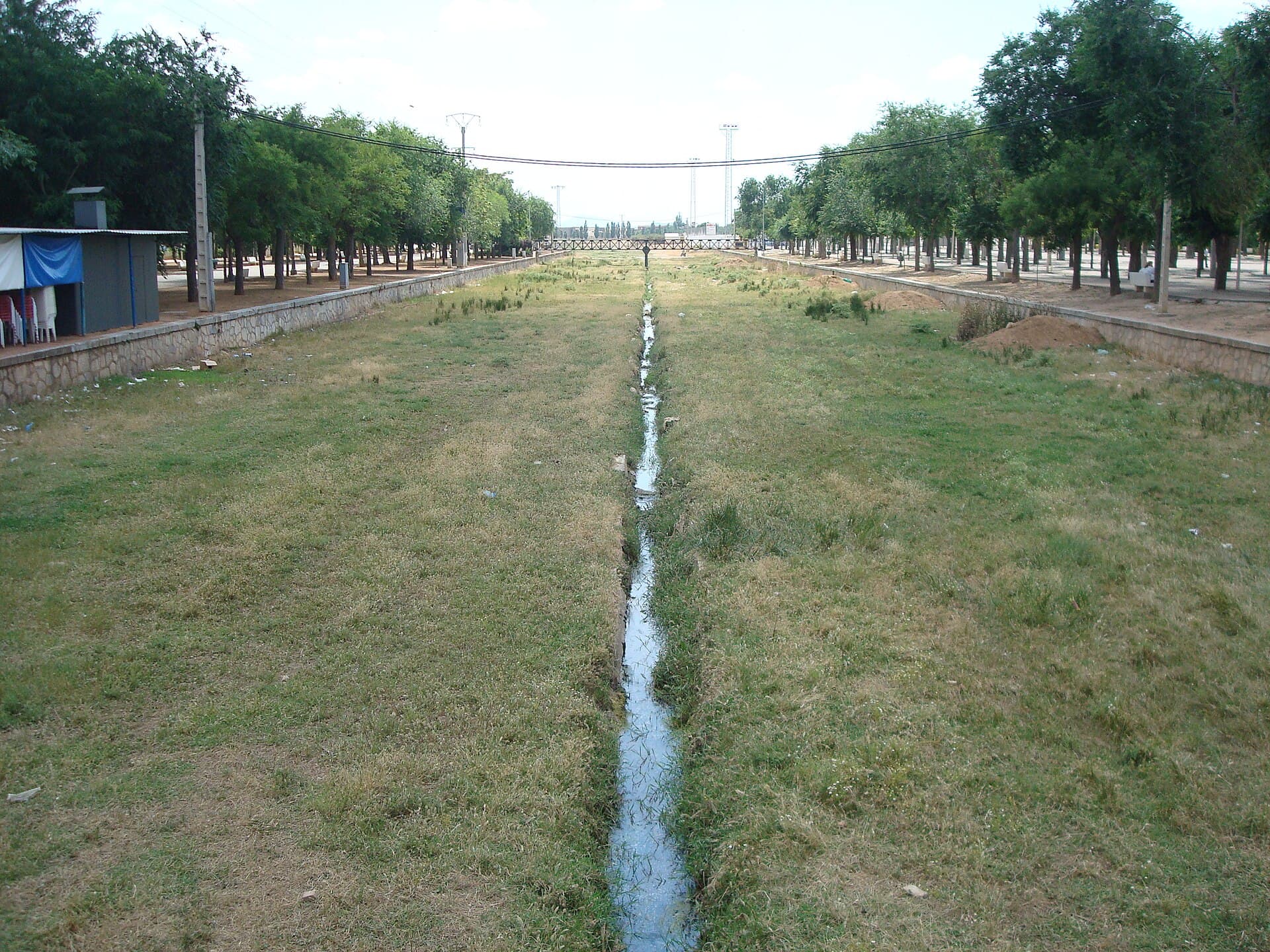
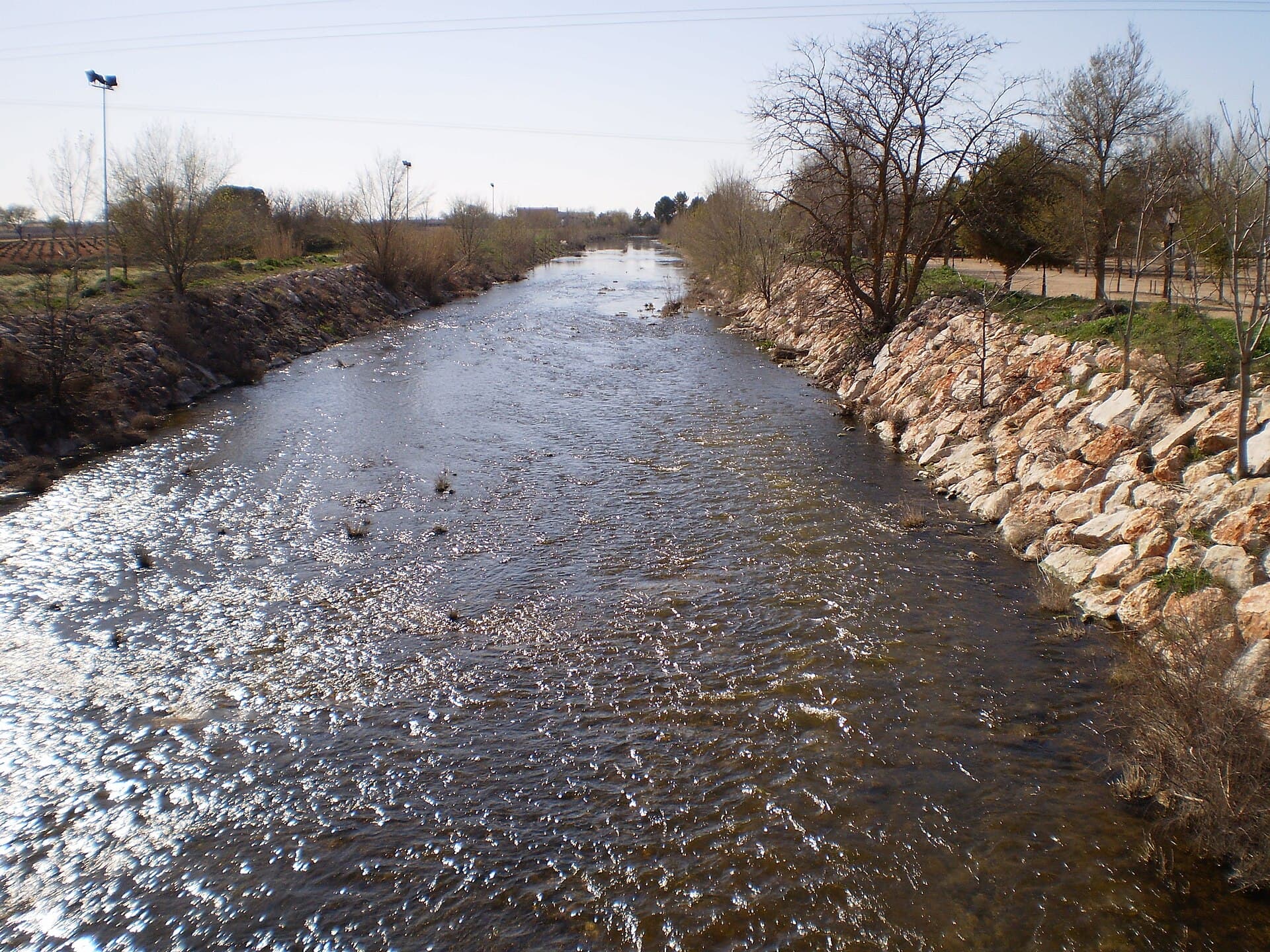
The Amarguillo River winds slowly across the flat, open landscape of Ciudad Real province, offering a peaceful contrast to the busier tourist routes of central Spain. Its modest flow supports riparian vegetation and small wetlands that attract herons, ducks, and other waterbirds amid surrounding vineyards and olive groves typical of La Mancha.
Things to See and Do
Walkers and nature enthusiasts follow informal paths along the riverbanks, where the gentle terrain suits relaxed strolls or longer linear hikes. Birdwatching is rewarding year-round, with opportunities to spot resident species and seasonal migrants in the reed beds and shallow margins. Photographers capture the wide skies and the contrast between the green ribbon of the river and the surrounding dry plains.
Local Culture and Agriculture
The river has long shaped local farming, irrigating fields that produce the grapes behind many La Mancha wines. Visitors interested in rural life can combine a river walk with stops at nearby bodegas or small villages to taste wines and learn about traditional irrigation practices still in use.
How to Get There
Most travelers reach the Amarguillo by car from Ciudad Real city or Alcázar de San Juan, using the regional road network that crosses the river at several points. Public transport options are limited, so renting a vehicle provides the flexibility needed to explore different access points along its course.
Best Time to Visit
Spring and autumn bring milder temperatures and higher bird activity, making these seasons ideal for walking and observation. Summer heat can be intense on the exposed plains, while winter offers clear skies but cooler conditions and fewer services in small villages.
Nearby Attractions
The river lies within easy reach of larger protected areas such as Las Tablas de Daimiel wetlands and the historic towns of the Ruta de Don Quijote, allowing visitors to combine a half-day riverside visit with broader exploration of the region’s natural and literary heritage.