
Keep reading
Nearby & related
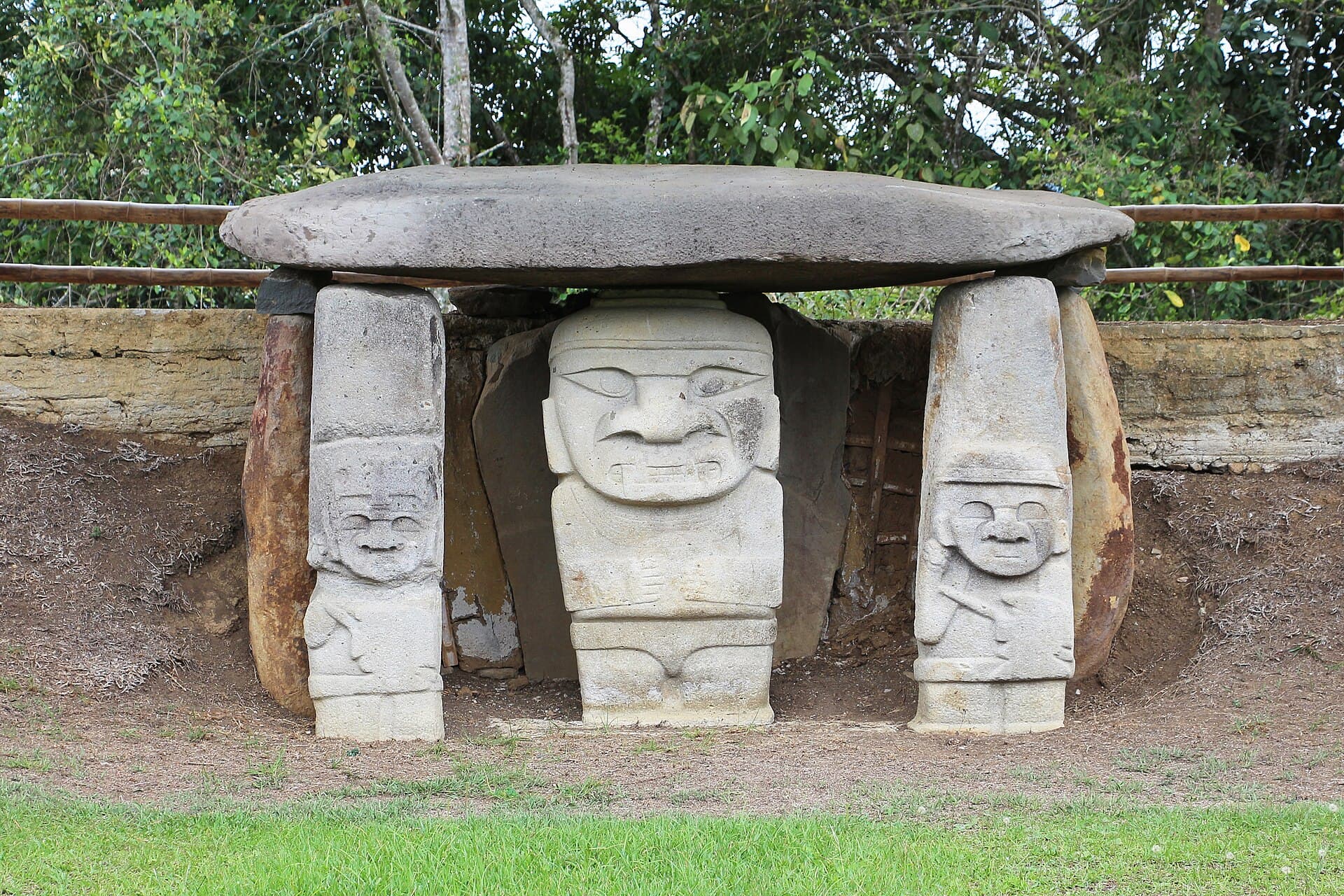
San Agustín Archaeological Park: Colombia’s Ancient Stone Statues
Wander among hundreds of monumental pre-Columbian sculptures at this remote UNESCO site in Huila’s Andean highlands.
25 November 2026
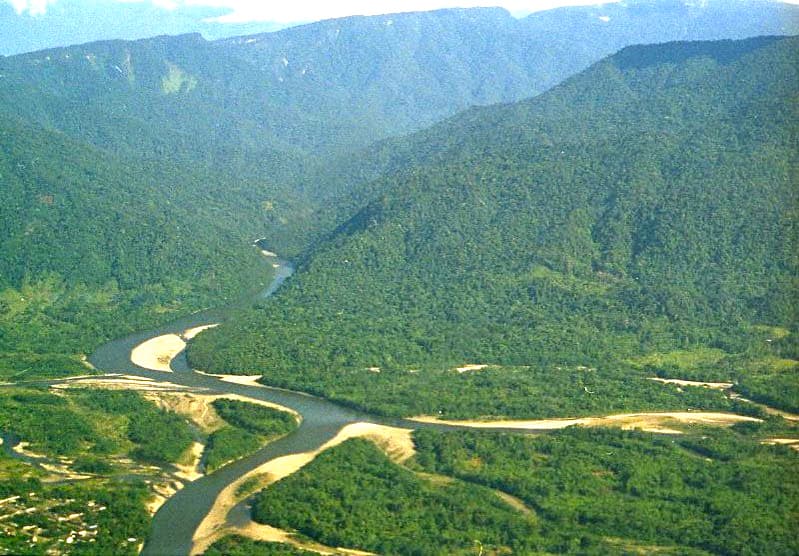
Venture into Huila's remote cloud forests to experience exceptional biodiversity and indigenous cultural heritage in one of Colombia's least-visited protected areas.
Located in the foothills where the Andes meet the Amazon, Alto Fragua – Indi Wasi National Natural Park protects a vital transition zone of cloud forest and premontane rainforest. This 68,000-hectare reserve harbors high levels of endemism, including the spectacled bear, mountain tapir, and dozens of bird species found nowhere else in Colombia. The park’s name, drawn from the Quechua words for “House of the Indians,” reflects its significance to local indigenous communities who continue traditional practices within its buffer zones.
Visitors focus on guided hikes through misty forests along established trails that climb from lower elevations into cloud-forest habitat. Birdwatching ranks among the top activities, with chances to spot species such as the Andean cock-of-the-rock and various hummingbirds. Mammal sightings are rarer but rewarding for patient observers on multi-day treks. Cultural encounters with nearby indigenous groups provide context on sustainable forest management when arranged through authorized operators.
The park lies in southern Huila Department, roughly a five-hour drive from Neiva via paved and unpaved roads that pass through agricultural landscapes before entering forested foothills. Most travelers arrange transfers with licensed operators in Pitalito or San Agustín, as private vehicle access is limited and four-wheel-drive is recommended for the final stretches. Park entry requires advance coordination with Colombia’s national parks authority and accompaniment by certified local guides.
The drier months from December through February and July through August generally offer clearer trails and better visibility for wildlife, although rain can occur year-round in this humid environment. Avoid peak wet periods when landslides may close access roads. Early morning starts maximize chances of clear views and active wildlife before afternoon clouds build.
Combine a park visit with the pre-Columbian stone statues of San Agustín Archaeological Park, about two hours north, or the striking rock formations and desert landscapes of Tatacoa, reachable in three to four hours. These sites create a natural itinerary linking cultural heritage with the region’s dramatic geography.
Yes. Entry requires advance registration with Colombia's Parques Nacionales Naturales and must be done with an authorized guide; independent visits are not permitted.
Birds are the most visible, including toucans, tanagers, and hummingbirds. Mammals such as monkeys and coatis appear occasionally, while larger species like spectacled bears remain elusive.
Limited camping is possible only at designated ranger stations with prior approval; most visitors stay in nearby communities and enter on day or multi-day guided excursions.
Trails range from moderate day hikes to strenuous multi-day routes with significant elevation gain; fitness level and acclimatization to altitude should be considered.
No permanent visitor facilities exist; all supplies, including water and meals, must be carried in, and waste carried out under leave-no-trace principles.
Keep reading
Wander among hundreds of monumental pre-Columbian sculptures at this remote UNESCO site in Huila’s Andean highlands.