
Keep reading
Nearby & related
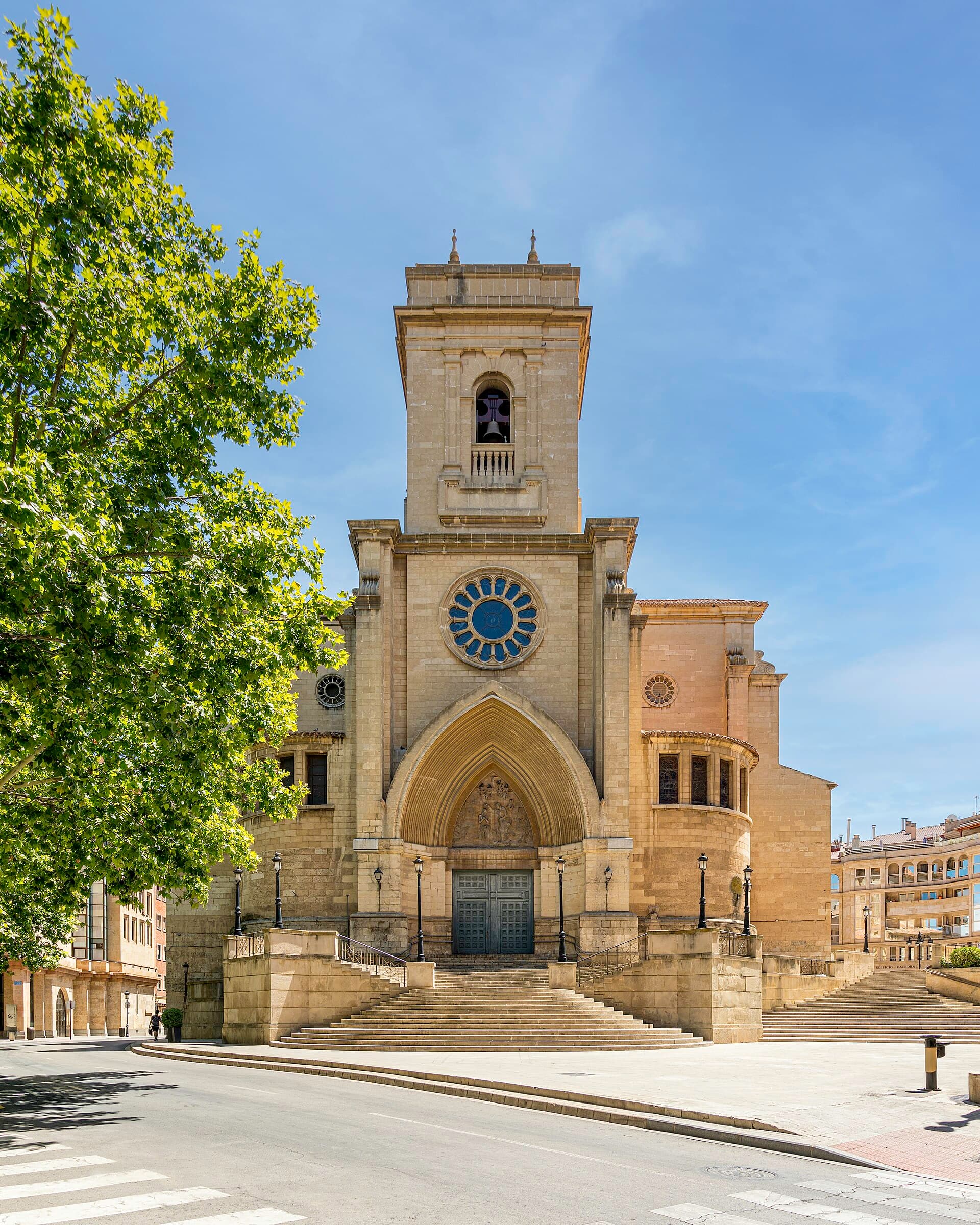
Cathedral of Saint John of Albacete: Exploring the Gothic-Renaissance Heart of La Mancha
Step inside Albacete’s principal cathedral to discover layered centuries of Spanish architecture, art, and local…
24 November 2026
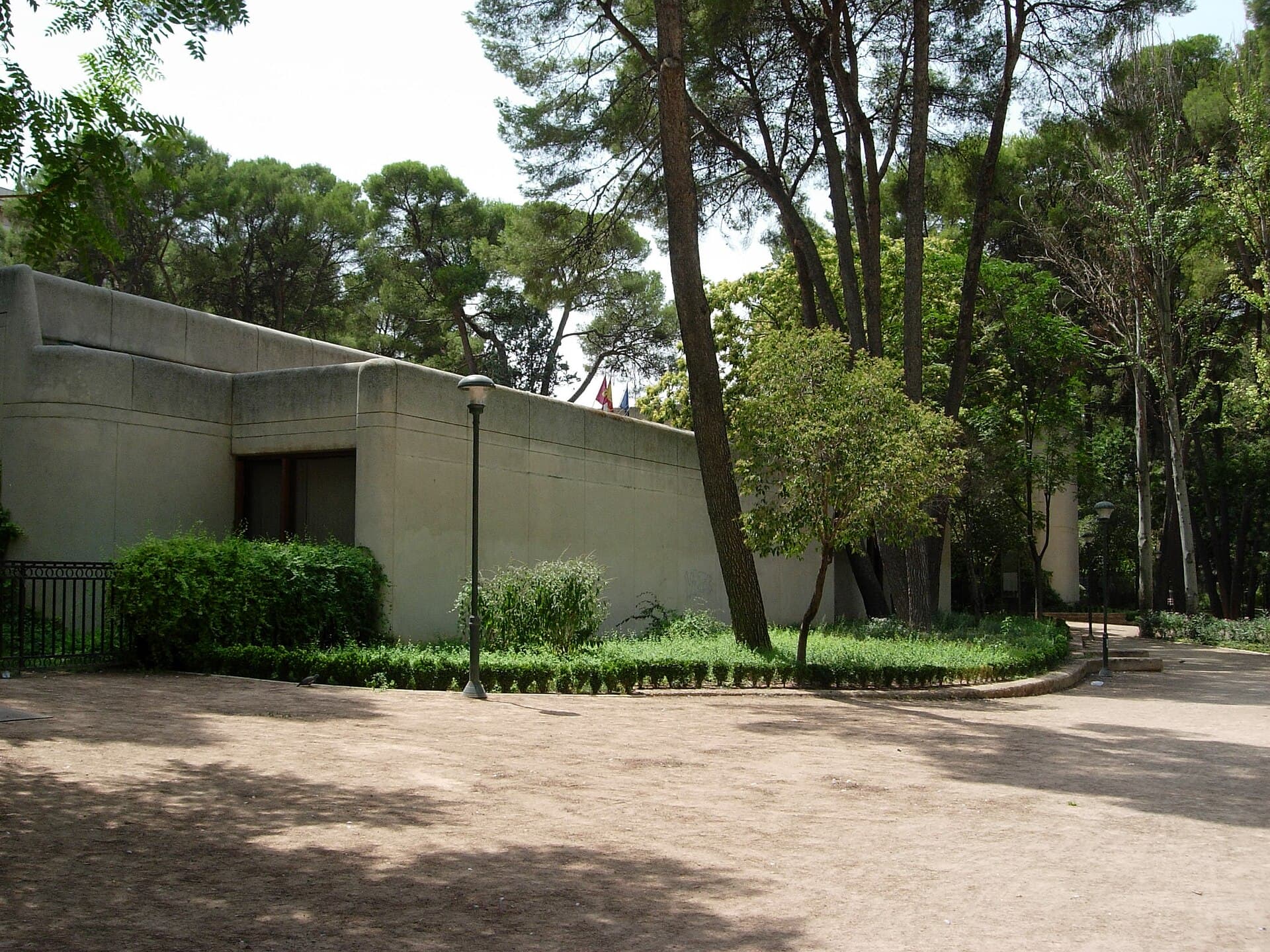
Step into Albacete Museum to explore Iberian artifacts, Roman finds, and local fine arts that define the heritage of this Spanish province.
Located in the heart of Albacete, the museum serves as the primary repository for the province’s archaeological record and artistic legacy. Its collections span from prehistoric tools and Iberian sculptures to Roman mosaics unearthed in nearby settlements, offering visitors a direct connection to the layered history of the La Mancha plain.
The archaeological galleries highlight significant Iberian pieces, including stone carvings and pottery that reflect the daily life and rituals of pre-Roman communities in the region. Roman-era items such as amphorae, jewelry, and household objects demonstrate Albacete’s role along ancient trade routes. A dedicated section on local industry features historic knife-making tools and blades, underscoring the city’s centuries-old reputation for cutlery craftsmanship.
In the fine-arts wing, paintings and sculptures by 19th- and 20th-century artists from Castile-La Mancha provide insight into rural traditions and changing landscapes. Temporary exhibitions often rotate works from the permanent holdings, keeping the displays fresh while maintaining focus on regional themes.
Housed in a purpose-built structure with ample natural light, the museum integrates modern architecture with functional exhibition spaces. Large windows frame views of surrounding plazas, allowing visitors to connect the indoor collections with the urban environment of Albacete. The layout encourages a logical progression from ancient artifacts to contemporary interpretations of local identity.
After touring the museum, stroll to the central market or the cathedral square to experience Albacete’s everyday rhythm. The surrounding province offers easy day trips to archaeological sites and windmills that echo the collections inside the museum, making the visit part of a broader exploration of La Mancha culture.
Spring and autumn provide comfortable temperatures for walking between the museum and nearby sights. Summer visits suit early mornings to avoid peak heat, while winter offers quieter galleries ideal for focused viewing of delicate artifacts.
Most visitors spend between 90 minutes and two hours covering the main galleries, though those interested in archaeology or local art may stay longer.
Yes, the clear layout and variety of objectsu2014from ancient tools to colorful paintingsu2014engage different age groups, though younger children may need guidance in the more interpretive sections.
Its strong emphasis on local Iberian finds and the historic knife-making industry sets it apart, providing focused insight into Albacete province rather than broader national narratives.
Many labels include English summaries, and the museum occasionally offers multilingual materials for major exhibitions; audio guides in several languages are sometimes provided during peak seasons.
Yes, the museum pairs well with short drives to nearby Roman or Iberian sites, allowing a full day that connects indoor collections with outdoor heritage locations.
Keep reading
Step inside Albacete’s principal cathedral to discover layered centuries of Spanish architecture, art, and local…