Discovering Akun Island
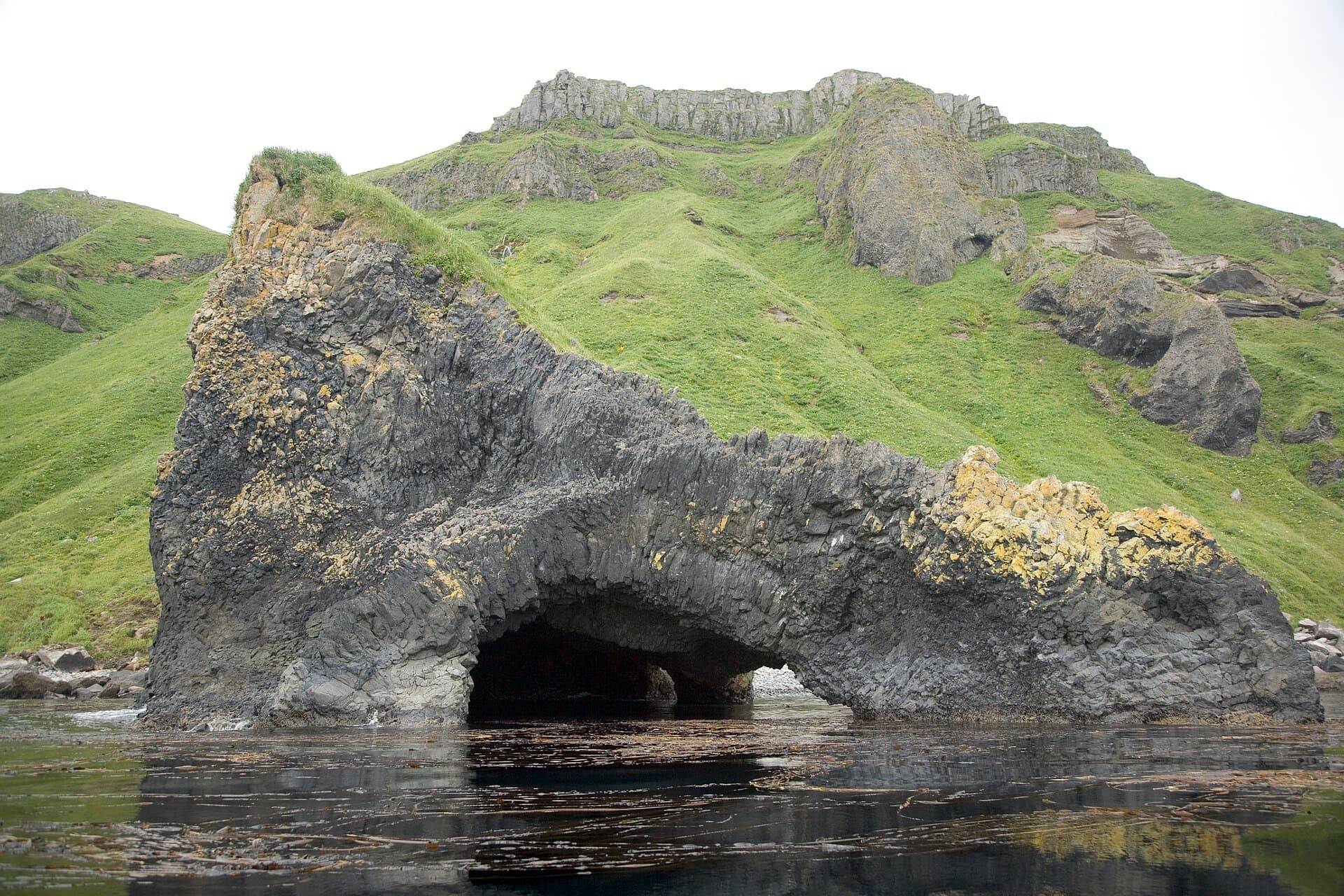
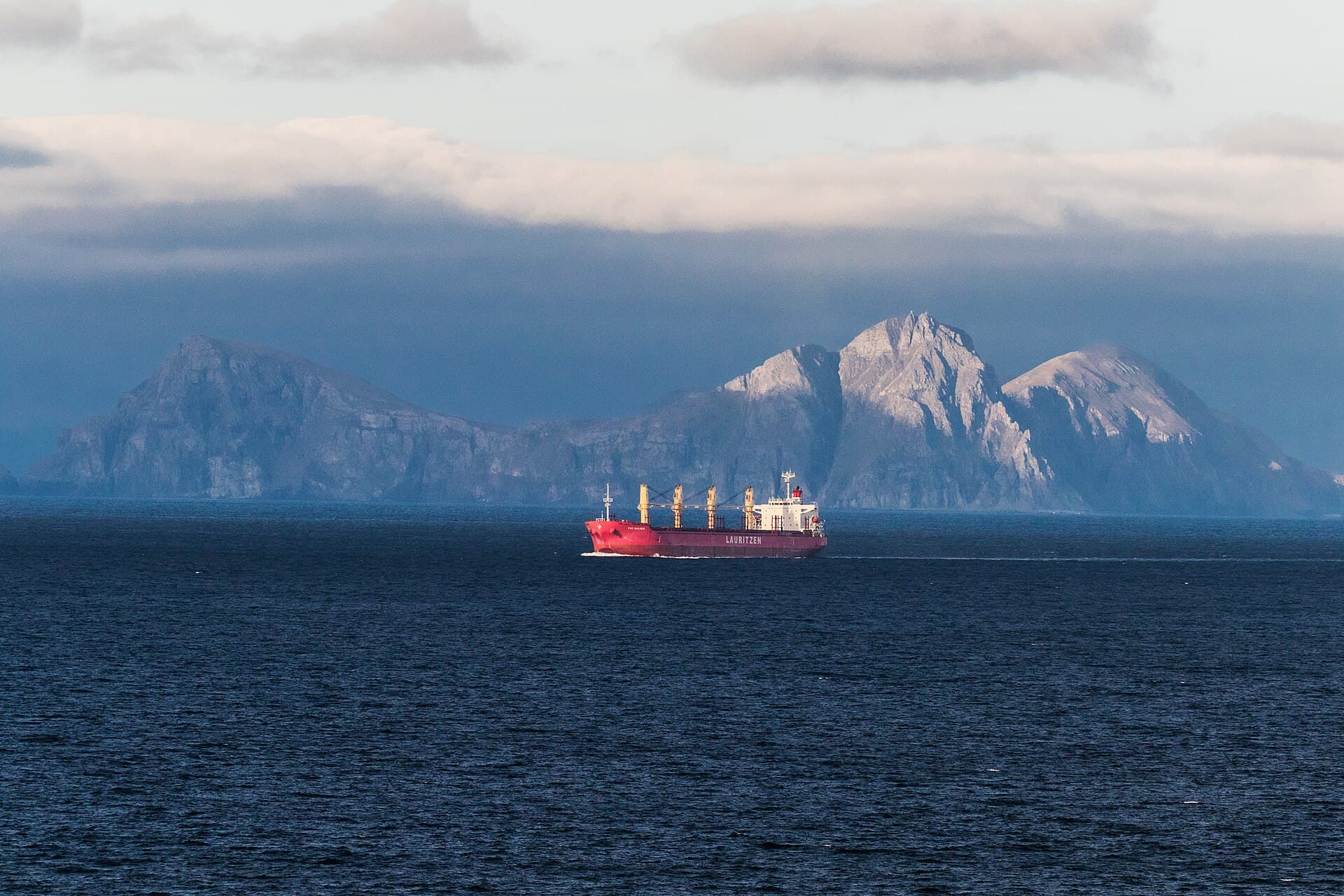
Akun Island lies in the eastern Aleutian Islands, a rugged volcanic outpost shaped by wind, rain, and the North Pacific. Its tundra-covered hills, rocky shores, and sheltered bays support dense colonies of seabirds and marine mammals, offering visitors a true sense of Alaska’s wild frontier without crowds.
Getting There
Most travelers reach Akun by first flying into Dutch Harbor on Unalaska Island or Akutan. From Akutan, small boats or charters cross the narrow strait to Akun’s shores; the crossing takes roughly 30 minutes in calm conditions. Private aircraft can use the island’s gravel airstrip when weather permits, though commercial service is limited. No roads connect the island to larger hubs, so advance planning with local operators is essential.
Best Time to Visit
June through August brings the mildest temperatures and longest daylight for hiking and wildlife viewing. Spring and fall offer fewer visitors but stronger winds and frequent fog. Winter travel is possible yet demanding, with short days and heavy seas limiting boat access.
What to See and Do
Coastal trails lead to seabird cliffs where puffins, murres, and kittiwakes nest in summer. Kayakers paddle sheltered bays to watch harbor seals and sea otters raft near kelp beds. Anglers cast for halibut and salmon from rocky points. Inland, low ridges provide sweeping views of the surrounding islands and occasional brown bear sightings. Historical Unangan village sites and World War II remnants add cultural depth to hikes.
Wildlife Viewing
- Observe sea lions hauled out on offshore rocks from a respectful distance.
- Scan tide pools for starfish, anemones, and colorful marine invertebrates.
- Listen for whale blows in the straits during migration seasons.
Nearby Attractions
A short boat ride reaches Akutan village for hot springs and fresh seafood. Further west, Unalaska offers the Russian Orthodox Cathedral of the Holy Ascension and World War II historical parks. The entire region falls within the Alaska Maritime National Wildlife Refuge, protecting millions of seabirds across the chain.