Why Aiktak Island Stands Out
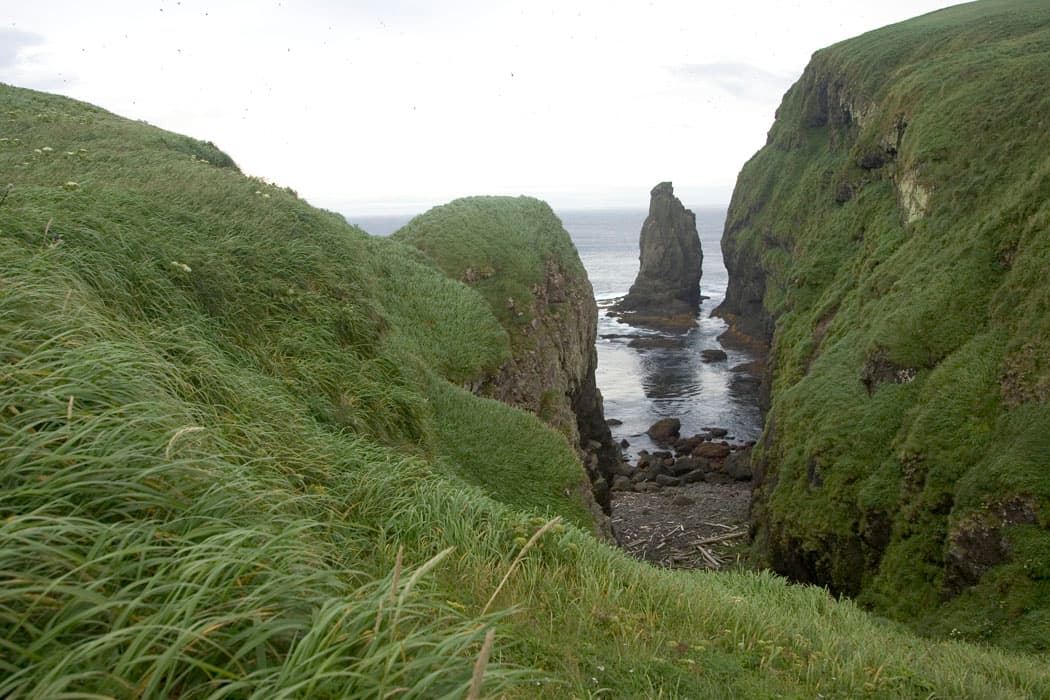
Aiktak Island sits in the eastern Aleutians within the Alaska Maritime National Wildlife Refuge, a place shaped by volcanic forces and relentless ocean weather. Its steep cliffs and grassy slopes host one of the region’s densest seabird colonies, making it a destination for travelers who value solitude and natural spectacle over developed facilities.
Wildlife and Landscapes to Expect
Visitors come primarily for the birds. Thick-billed murres, crested auklets, and black-legged kittiwakes nest in huge numbers along the rocky shores. Tufted puffins burrow into the tundra slopes, while bald eagles patrol overhead. Marine mammals such as sea otters and harbor seals are often seen in the surrounding waters. The island’s volcanic soils support dense meadows of wildflowers in summer, contrasting with the dark basalt cliffs that drop straight into the sea.
Activities on and Around the Island
- Wildlife observation from a boat or permitted landing sites, focusing on cliff-nesting species.
- Photography of dramatic coastal scenery and seasonal wildflower displays.
- Kayaking or small-boat exploration of sheltered coves when conditions allow.
- Quiet hiking on established routes to avoid disturbing nesting areas.
Getting There
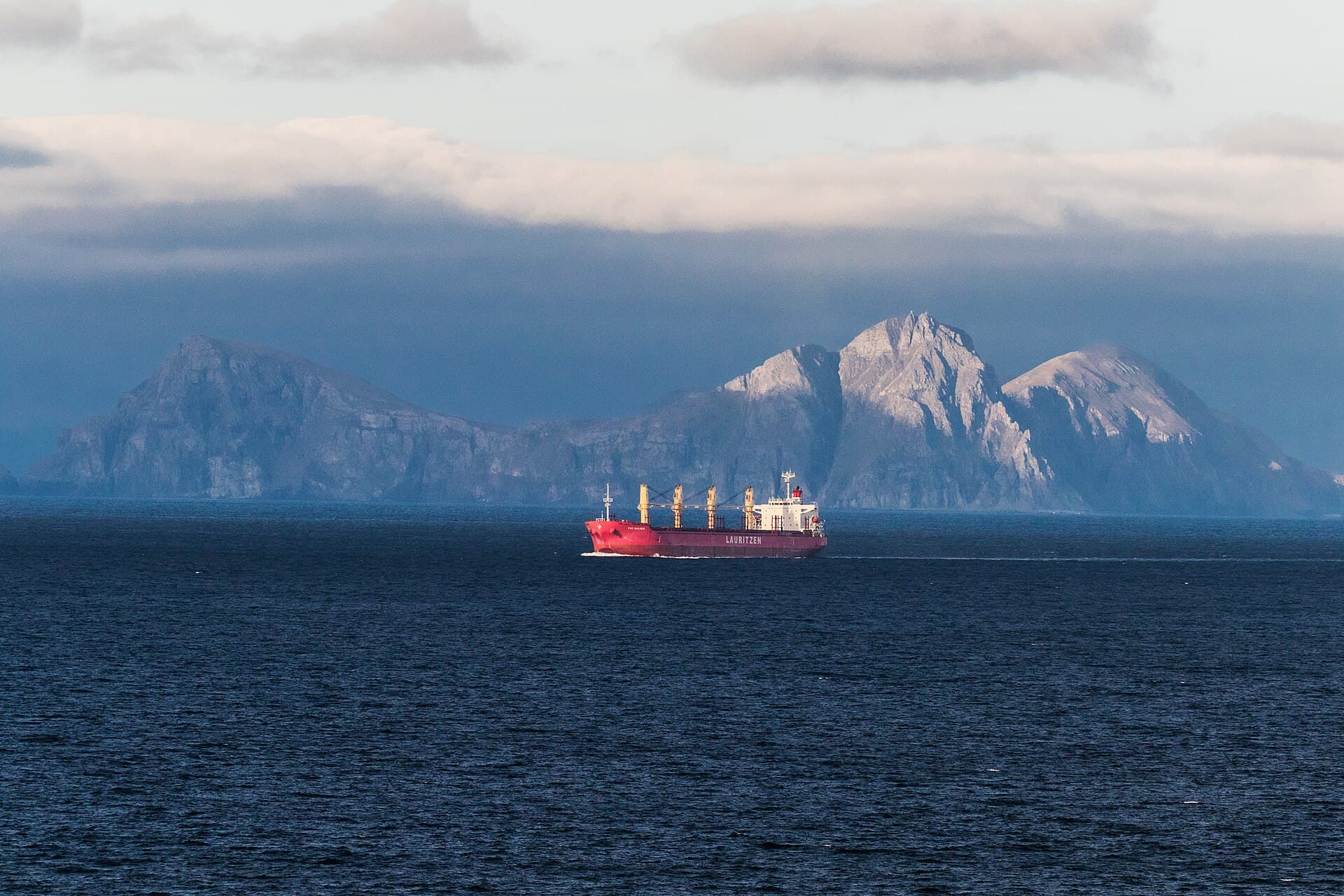
Reaching Aiktak requires careful planning. Most travelers arrange charter boats or small aircraft from communities such as False Pass or Unalaska. The journey crosses open water and exposed passes, so only experienced operators familiar with Aleutian conditions should be considered. There are no docks or roads; access is by skiff or foot on rocky beaches.
Best Time to Visit
Late spring through early fall offers the most favorable weather windows and peak seabird activity. Summer days are long, allowing extended observation time, while fall brings migrating species and changing foliage colors. Winter visits are rare due to severe storms and limited daylight.
Nearby Places Worth Combining
Many travelers pair Aiktak with visits to neighboring islands in the Krenitzin group or the larger Unimak Island to the east. These areas share the same refuge status and offer additional opportunities to see caribou herds and volcanic landscapes without leaving the Aleutian ecosystem.