
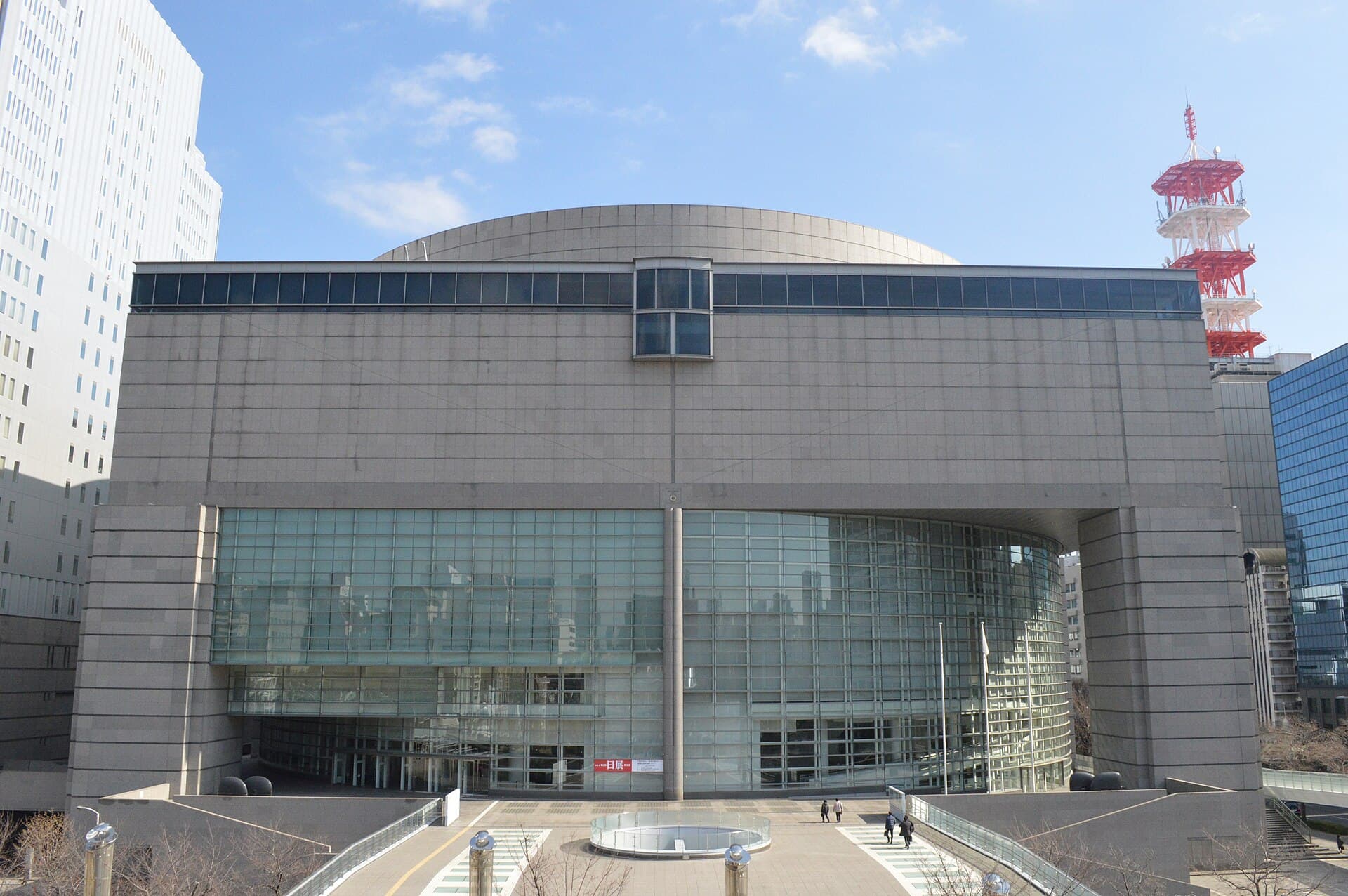
Aichi Prefectural Museum of Art: Nagoya’s Premier Collection of Modern Japanese Art
Discover postwar Japanese masterpieces and international works in the heart of Nagoya’s cultural district.
Why Visit the Aichi Prefectural Museum of Art
Located within the Aichi Arts Center in central Nagoya, this museum houses one of Japan’s strongest holdings of modern and contemporary Japanese art alongside selected international pieces. Its permanent collection emphasizes works created after 1945, offering visitors a clear window into how Japanese artists responded to rapid social change, technology, and global influences.
Highlights of the Collection
The galleries feature paintings, sculptures, prints, and photography by artists such as Kishida Ryūsei, Matsumoto Shunsuke, and Nakamura Hiroshi. Rotating thematic displays trace movements from Surrealism and abstraction through Mono-ha and later conceptual practices. Temporary exhibitions frequently bring major loans from European and American museums, making repeat visits rewarding.
Architecture and Layout
The building’s clean, functional design by architects Yoshinobu Ashihara and others provides generous natural light and clear sightlines. A central atrium connects exhibition floors with a library and café, creating a calm environment for reflection between galleries.
How to Get There
The museum sits directly above Sakae Station on the Higashiyama and Meijō subway lines. From Nagoya Station, take the Higashiyama Line east for about 10 minutes. Several bus routes also stop at the Aichi Arts Center entrance. Travelers arriving by Shinkansen can transfer quickly via the subway without surface walking.
Best Time to Visit
Spring (March–May) and autumn (October–November) bring comfortable temperatures and fewer crowds than summer festivals. Weekday mornings are the quietest, allowing unhurried viewing of the permanent collection. Evenings occasionally feature extended hours during special exhibitions, pairing well with nearby dining.
Nearby Attractions
- The Nagoya City Art Museum, a short walk away, focuses on earlier Japanese and Western works.
- Hisaya-ōdōri Park offers seasonal gardens and the landmark Nagoya TV Tower.
- The Ōsu district, reachable by one subway stop, is famous for vintage clothing, Buddhist temples, and street food.
Combining the museum with these sites creates a full day of cultural exploration without excessive travel.
Visitor tips
- Purchase a combined ticket if the museum is hosting a major temporary exhibition; it often costs less than separate entries.
- Download the museumu2019s free audio guide app in advance for deeper context on Japanese postwar movements.
- Visit the rooftop terrace after your tour for views of the city skyline and a quiet place to rest.
Frequently asked questions
How long should I plan to spend at the museum?
Most visitors spend two to three hours viewing the permanent collection and one temporary exhibition; allow an extra hour if you want to visit the library or cafu00e9.
Is the museum suitable for children?
The museum offers family-friendly workshops on weekends and a childrenu2019s gallery with hands-on activities, though the main collection is more engaging for older children and adults.
Are guided tours available in English?
Free volunteer-led tours in English run on weekends when exhibitions are on view; check the information desk on arrival for the schedule.
Can I take photographs inside the galleries?
Photography without flash is permitted in most permanent collection areas but prohibited in temporary exhibitions; always check posted signs.
Is there luggage storage?
Coin lockers are available on the basement level of the Aichi Arts Center, convenient for travelers coming directly from the station or airport.