
Keep reading
Nearby & related
Abruzzo
Toppe Vurgo: Hiking Abruzzo’s Quiet Apennine Summit
A rewarding day hike to sweeping limestone views in Italy’s lesser-visited central highlands.
20 August 2026
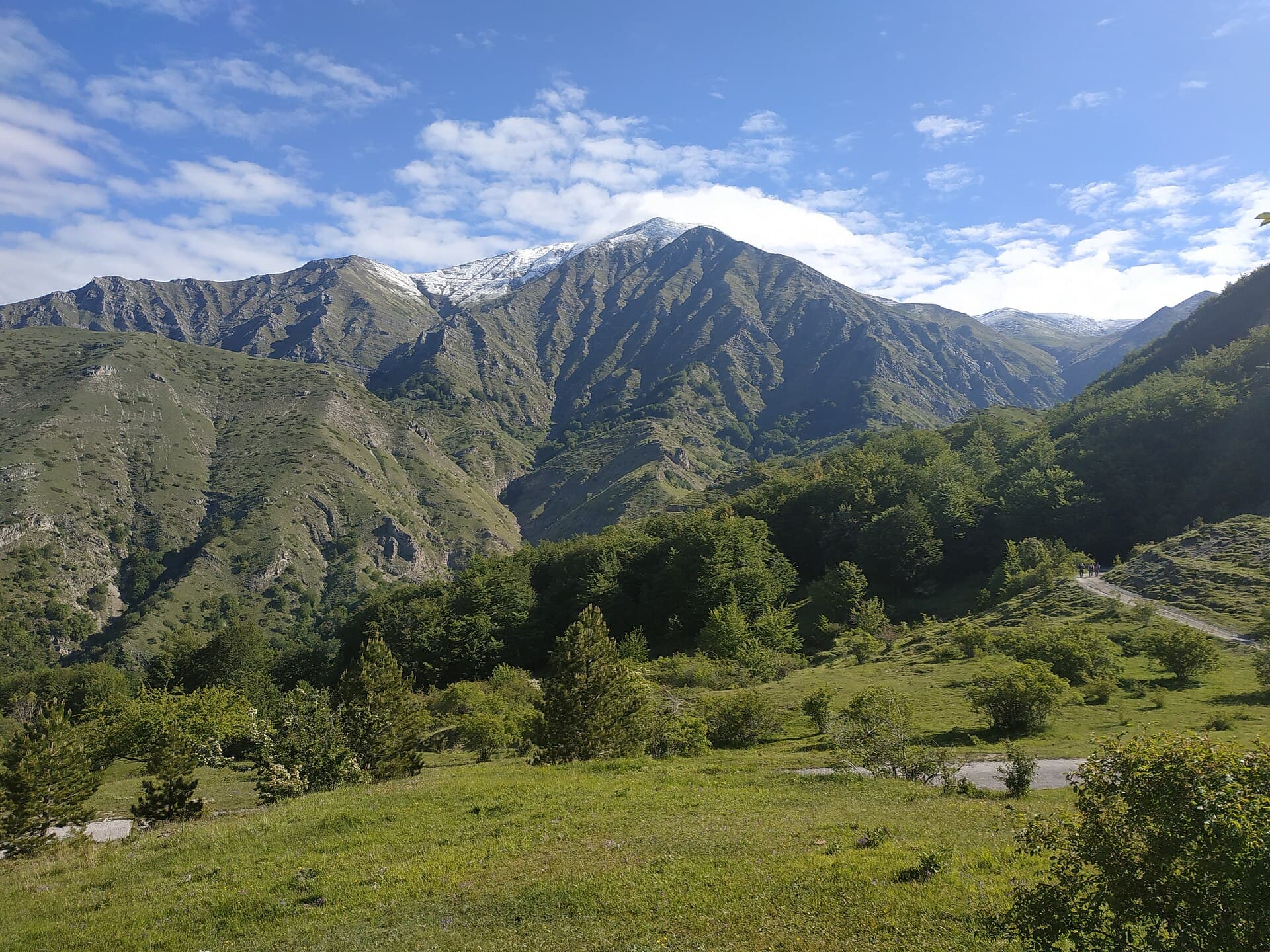
Hike ancient beech forests, spot Marsican bears, and explore the rugged Apennine heartland of Italy's first national park.
Established in 1923, this is Italy’s oldest national park and one of its wildest. Spanning three regions across the central Apennines, it protects vast beech forests, limestone peaks, and the last stronghold of the Marsican brown bear. Visitors come for the sense of untouched nature that feels far removed from more crowded Italian destinations.
The park is home to around 50 Marsican brown bears, wolves, Apennine chamois, and golden eagles. Prime viewing areas include the beech woods around Civitella Alfedena and the high pastures of Mount Marsicano. Dramatic karst formations and glacial valleys create a constantly changing backdrop for every hike.
The park is best reached by car from Rome (about two hours via the A24 motorway) or by train to Avezzano or Sulmona followed by local bus. Once inside, a network of roads connects the main villages, but many trailheads require short drives or taxis. Limited public transport means renting a car is the most practical option for exploring multiple valleys.
Late spring and early autumn provide the best balance of mild weather and open trails. Summer brings wildflowers and swimming in mountain streams, while winter transforms the landscape into a quiet snow-covered retreat, though some high trails close due to weather.
Just outside the park boundaries lie the hill town of Scanno with its photogenic lake, the medieval village of Pacentro, and the vast Gran Sasso e Monti della Laga National Park to the north. Many visitors combine a few days here with time in the nearby Sirente-Velino Regional Park.
Keep reading
A rewarding day hike to sweeping limestone views in Italy’s lesser-visited central highlands.
Yes, the park protects Italy's last population of Marsican brown bears. Sightings are rare but possible in remote valleys; always follow park guidelines and never approach wildlife.
Trains run to Avezzano or Sulmona, then infrequent buses serve the main villages. Taxis or arranged transfers from the station are often necessary to reach trailheads.
Yes, but many trails are snow-covered and some roads close. Snowshoeing and cross-country skiing are popular near Pescasseroli, and lower elevations remain accessible.
Local guides and the park visitor centers offer wildlife-watching walks and educational tours focused on bears, wolves, and traditional mountain culture.
Sturdy boots, layered clothing, rain protection, and plenty of water. Trails can be steep and rocky, and weather changes quickly at altitude.
A rewarding, low-crowd mountain hike in central Abruzzo offering sweeping views across the Majella and Gran Sasso…
Traverse beech forests and limestone ridges on this overlooked peak inside Italy’s largest national park.