The Columbia River in British Columbia: A Scenic Canadian Waterway
The Columbia River carves through the Rocky Mountain Trench, delivering dramatic landscapes, wildlife, and water-based adventures in southeastern British Columbia.
Why the Columbia River Stands Out
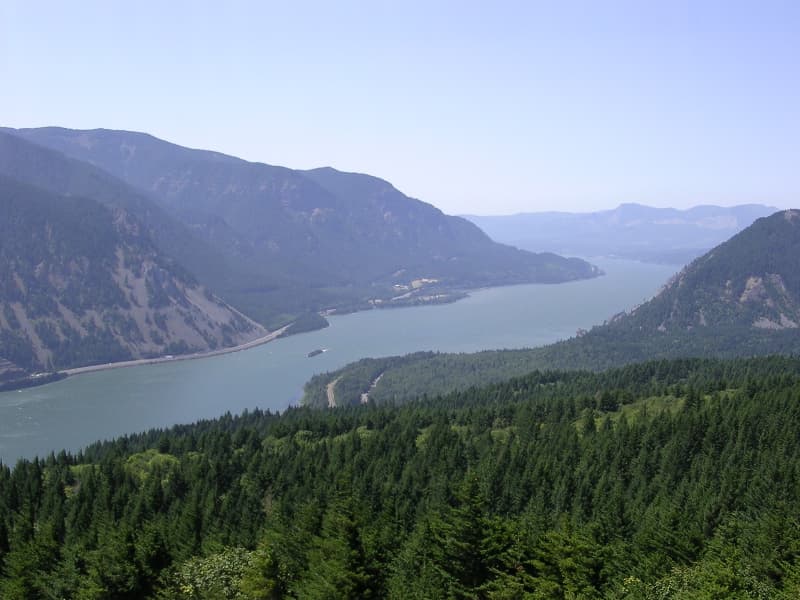
The Columbia River begins its long journey at Columbia Lake near Fairmont Hot Springs and flows northward through the broad Rocky Mountain Trench before turning south. In British Columbia it remains relatively free-flowing in sections, creating wetlands, oxbow lakes, and forested shorelines that support grizzly bears, bald eagles, and spawning salmon. The combination of mountain backdrops, calm stretches suitable for paddling, and accessible viewpoints makes this portion of the river a rewarding destination for travelers seeking both scenery and outdoor activity without the crowds found farther south in the United States.
What to See and Do
Paddling and Boating
Calm waters between Golden and Radium Hot Springs suit kayakers and canoeists. Launch at sites such as the Kicking Horse River confluence or the community boat ramp in Invermere. Longer day trips reveal beaver lodges and heron rookeries along the shoreline.
Wildlife Viewing and Hiking
Trails in Columbia Wetlands Provincial Park and adjacent conservation areas allow quiet observation of waterfowl and ungulates. Early morning or late evening visits increase chances of spotting moose or elk. Short interpretive walks near the river’s headwaters explain the unique hydrology of the Rocky Mountain Trench.
Hot Springs and Relaxation
Natural and developed hot springs, including those at Fairmont and Radium, lie within a short drive of the river corridor. Many visitors combine a morning paddle with an afternoon soak in mineral pools overlooking the valley.
How to Get There
Most travelers fly into Calgary International Airport, then drive west via Highway 1 and Highway 93/95, a journey of roughly three hours. From Vancouver the route follows the Trans-Canada Highway east through the Rogers Pass, taking six to seven hours. Once in the valley, Highway 95 parallels much of the river, with numerous pullouts and secondary roads leading to launch sites and trailheads. A personal vehicle or rental car provides the greatest flexibility for exploring dispersed access points.
Best Time to Visit
Late spring through early fall offers the most comfortable conditions for water activities, with peak river levels in June and July. September brings quieter paddling and vibrant autumn foliage. Winter visits are possible for cross-country skiing along the frozen wetlands, though most river-based recreation ceases. Always check current water levels and weather, as mountain conditions change rapidly.
Nearby Attractions
The Columbia River corridor sits between Kootenay National Park to the east and the Purcell Mountains to the west. Short drives lead to Yoho National Park, the Burgess Shale fossil beds, and the historic mining town of Kimberley. Golf courses, ski resorts at Panorama and Kimberley, and the Columbia Icefield Parkway are all within a two-hour radius, allowing visitors to combine river time with alpine experiences.
Visitor tips
- Bring binoculars and a waterproof camera bag; wildlife sightings are common but brief, and river spray is frequent.
- Reserve accommodation early for July and August, especially if combining river activities with nearby national parks.
- Carry bear spray and know how to use it when hiking or paddling in remote shoreline areas.
Frequently asked questions
Is the Columbia River suitable for beginners to paddle?
Yes, several flat-water sections between Invermere and Radium Hot Springs are appropriate for novice paddlers when water levels are moderate.
Are there campgrounds directly along the river?
Provincial park campgrounds and private sites sit near the river at locations such as Thunder Hill and Dry Gulch, though many require a short walk or drive from the shoreline.
What fish species can anglers target?
The river supports rainbow trout, bull trout, and mountain whitefish; check current regulations and obtain a British Columbia fishing licence before casting.
How far is the river from Banff?
The central Columbia Valley lies approximately 90 minutes southwest of Banff by car via Highway 93, making it an easy day-trip extension.
Are guided tours available?
Local outfitters in Golden, Invermere, and Radium offer half-day and full-day paddling, fishing, and wildlife-viewing excursions with equipment and instruction included.