
Yatomi City History and Folklore Museum: Local Heritage in Aichi
Discover the stories, artifacts, and traditions that shaped Yatomi’s identity in this focused regional museum.
Why Visit Yatomi City History and Folklore Museum
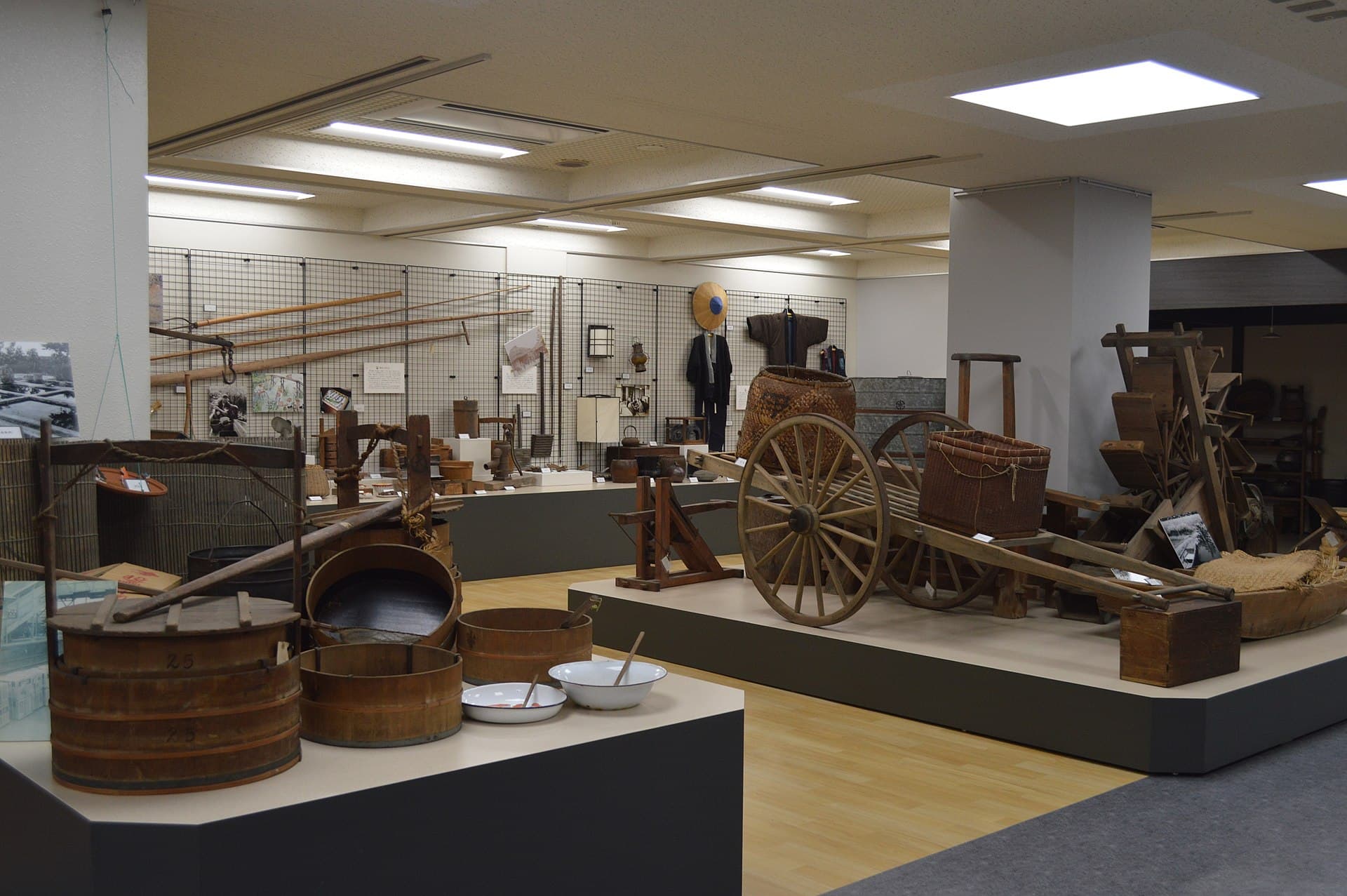
Located in the quiet city of Yatomi in southern Aichi Prefecture, this museum preserves the everyday history and folk traditions of a community long tied to the Kiso River delta. Rather than grand national narratives, it focuses on local life: farming tools from the Edo period, fishing equipment used along the river, and household items that illustrate how residents adapted to seasonal floods and fertile soils. The collection offers an intimate look at how geography shaped culture in this part of the Nobi Plain.
Key Exhibits and What to Expect
The permanent displays are arranged thematically. One gallery traces the development of Yatomi from a cluster of fishing villages into a modern municipality, using maps, photographs, and reconstructed interiors of traditional homes. Another section highlights folklore, including masks and costumes from local festivals, explanations of river deities, and oral histories recorded from elderly residents. Temporary exhibitions rotate through topics such as regional textile techniques or the impact of post-war land reform.
Visitors can expect clear Japanese labeling with occasional English summaries. The museum avoids interactive gimmicks in favor of well-lit cases and contextual panels that reward slow reading. A small reference library is available for those wanting deeper detail on specific artifacts.
Getting There and Practical Planning
Yatomi lies between Nagoya and Kuwana on the Meitetsu Nagoya Line. From Nagoya Station, trains reach Yatomi Station in roughly twenty minutes; the museum is a short walk or quick taxi ride from the station. Those driving will find modest parking nearby. Because the site sits in a residential area, signage is modest—using a mapping app with the Japanese name is advisable.
Best Time to Visit
Spring and autumn offer the most comfortable temperatures for walking between the museum and nearby stations or temples. Summer brings humid heat and occasional typhoon disruptions, while winter is generally mild but can be damp. The museum’s indoor setting makes it a reliable choice regardless of weather, though combining it with outdoor sites is easiest from March to May or October to November.
Nearby Attractions Worth Combining
After your visit, consider stopping at the historic Nagoe-no-Matsu pine or exploring the riverbanks that inspired many of the museum’s exhibits. The area is also convenient for day trips to nearby Inazawa or the castle town of Kiyosu, both reachable by the same rail line. Local restaurants serve unagi and kishimen, dishes tied to the region’s agricultural past.
Visitor tips
- Allow at least ninety minutes to read the panels and view the folklore displays at a thoughtful pace.
- Bring cash; some nearby eateries and small shops do not accept cards.
- Pair the museum with a stroll along the Kiso River levees for context on the landscape that shaped local folklore.
Frequently asked questions
Is the museum suitable for children?
Yes, older children interested in history will find the reconstructed rooms and festival costumes engaging, though younger visitors may need guidance with the text-heavy displays.
How much time should I allocate for a visit?
Most visitors spend one to two hours; those researching local genealogy or folklore may stay longer using the reference materials.
Are English explanations available?
Basic English summaries exist for major exhibits, but the majority of detailed panels are in Japanese. Translation apps or prior research on Yatomiu2019s river history will enhance the experience.
Is photography permitted inside?
Non-flash photography is generally allowed in permanent galleries; always check posted signs near temporary exhibitions.
Can I visit on a day trip from Nagoya?
Absolutely. The short train ride makes Yatomi an easy half-day or full-day excursion when combined with nearby river walks or temples.