Why Visit Wilhadi-Kirche
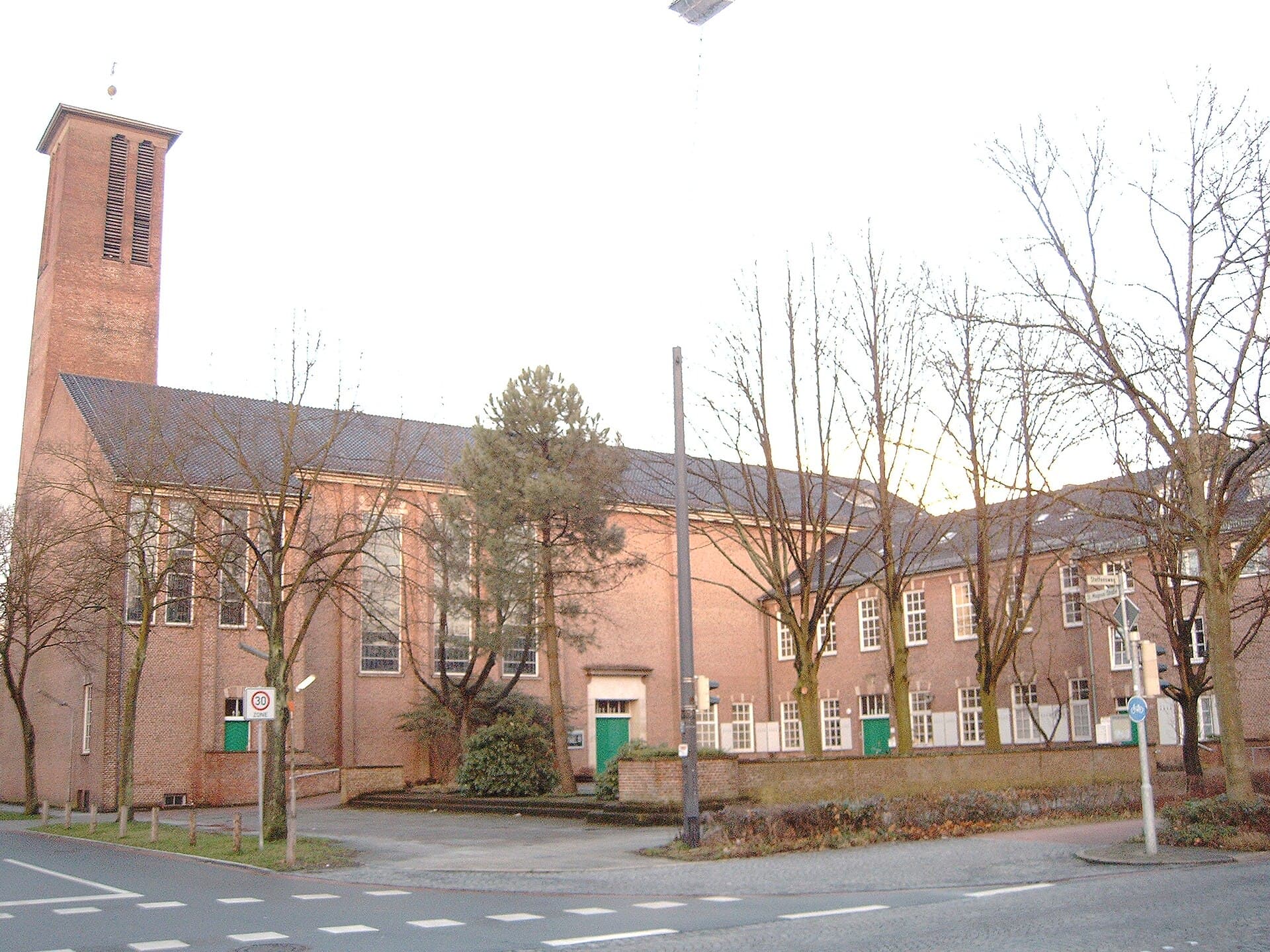
Located in the heart of Bremen, Wilhadi-Kirche stands as a modest yet significant example of medieval ecclesiastical architecture. Unlike the larger Dom, this church provides a more intimate encounter with the city’s Protestant history and quiet contemplative spaces. Its brick construction reflects the Hanseatic building traditions that define much of northern Germany.
Architectural Highlights
The church features a simple hall design with pointed arches and tall narrow windows typical of Gothic brick churches in the region. Visitors notice the restrained exterior that contrasts with the warm wooden interior fittings. The tower, visible from surrounding streets, serves as a local landmark without overwhelming the neighborhood scale.
Interior Features
Inside, the nave retains original vaulting and a modest altar area. Stained glass elements and carved wooden pews add subtle decorative interest. The space encourages slow exploration rather than hurried sightseeing, making it ideal for those seeking respite from busier tourist sites.
Practical Visiting Information
The church welcomes visitors during daylight hours outside of services. Respectful dress and quiet behavior are expected. Photography is generally permitted without flash, though visitors should avoid disrupting any ongoing prayers or events. The surrounding churchyard offers a small green space for reflection.
Getting There and Best Time to Visit
Reachable by tram or bus from Bremen’s central station in under fifteen minutes, the church sits within easy walking distance of the old town. The best time to visit is spring through early autumn when longer daylight allows comfortable exploration of the exterior and nearby streets. Winter visits focus more on the interior warmth and occasional candlelit atmospheres.
Nearby Attractions
After visiting, stroll to the Bremer Marktplatz or the impressive St. Petri Cathedral for contrast in scale. The Weser River promenade and the Schnoorviertel historic district lie within a short walk, offering cafés and half-timbered houses that complement the church’s historic setting.