
Keep reading
Nearby & related
Canary Islands
Blas Cabrera Felipe Monument: Honoring a Canary Islands Physics Pioneer
Visit the monument to Blas Cabrera Felipe, the influential Spanish physicist born in the Canary Islands, set amid…
15 November 2026
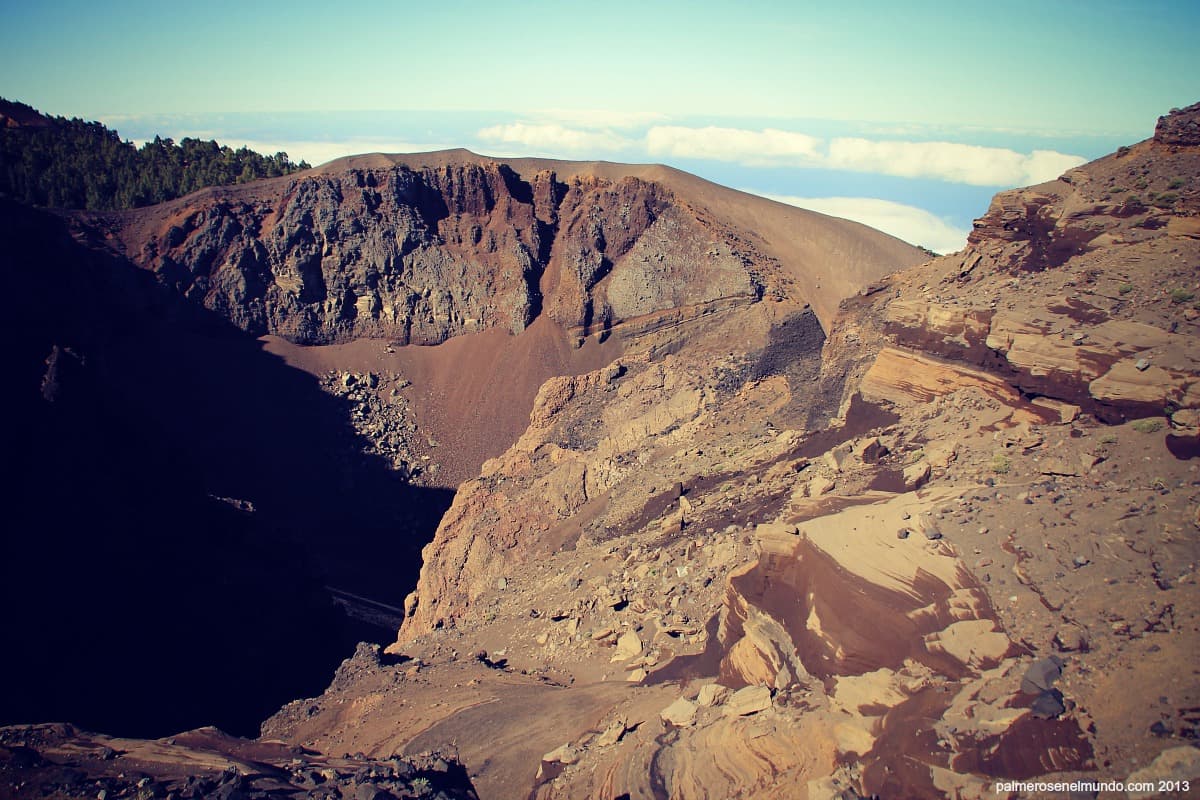
Explore the striking lava fields, craters, and pine forests of this accessible volcanic landmark on La Palma in the Canary Islands.
The Volcano of San Juan, also known as Volcán de San Juan, rises on the southern slopes of La Palma and offers visitors a direct look at one of the island’s most significant 20th-century eruptions. Its 1949 activity created dramatic cinder cones, extensive lava flows, and a stark contrast between black rock and surrounding pine forest. Hikers and geology enthusiasts value the site for its well-preserved features and relatively uncrowded trails compared with Tenerife’s Teide or Lanzarote’s Timanfaya.
Most visitors arrive by car from Los Llanos de Aridane or El Paso, both roughly 20 minutes away via the LP-2 and LP-3 roads. Parking is available at the trailhead near Las Manchas. Public buses run infrequently; renting a car or joining a guided tour from Santa Cruz de La Palma is the most reliable option. The final approach follows a narrow paved road that ends at a small parking area with basic signage.
The main loop trail circles the principal cone and crosses solidified lava that still shows ropey textures and small caves. The route is about 6 km and takes two to three hours for most walkers. Interpretive panels explain the 1949 events and the slow recovery of the ecosystem. Bring binoculars for views of the western coast and the distant island of El Hierro.
The dark volcanic terrain and lack of light pollution make the site excellent for night photography and Milky Way shots. Arrive before sunset to capture the changing colors on the cinder slopes, then stay after dark for clear views of the sky.
Spring (March–May) and autumn (September–November) offer mild temperatures and fewer clouds. Summer can be hot on the exposed lava; winter brings occasional rain that makes the paths slippery. Early morning visits avoid both heat and tour groups.
Combine the visit with the nearby Volcán de San Antonio visitor center or the lush laurel forests of Los Tilos. The coastal town of Puerto Naos, with its black-sand beach and promenade, lies only 15 minutes downhill and provides restaurants and accommodation after a day on the mountain.
Keep reading
Visit the monument to Blas Cabrera Felipe, the influential Spanish physicist born in the Canary Islands, set amid…
The main loop is moderate, with some steep sections on loose cinder. Good fitness and proper footwear are recommended; it is not suitable for wheelchairs or very young children.
Local operators based in Los Llanos and El Paso run half-day hikes with geological explanations; advance booking is advised during peak season.
Overnight camping is not permitted within the protected area. The nearest hotels and campsites are in Puerto Naos or El Paso.
It last erupted in 1949 and is currently considered dormant. La Palmau2019s most recent activity occurred at Tajogaite in 2021, farther south.
Sun protection, layered clothing, sturdy shoes, water, snacks, and a headlamp if you plan to stay for sunset or stargazing.
Experience sweeping Atlantic vistas of La Gomera island from this elevated Tenerife lookout point.
This elevated viewpoint on La Palma offers unobstructed panoramas of volcanic ridges, deep barrancos, and the Atlantic…