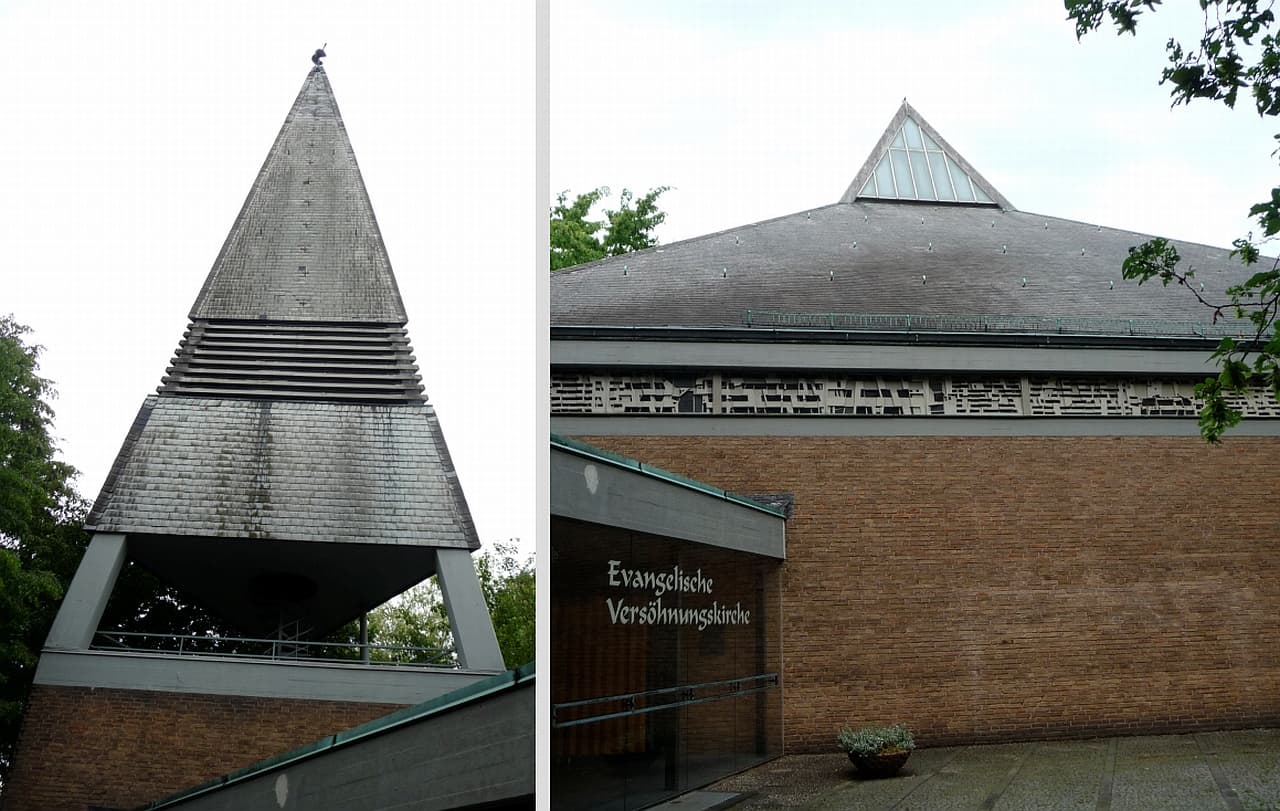
History of Versöhnungskirche
Built in the early 1960s, Versöhnungskirche was constructed as part of Bremen’s post-war rebuilding effort in the Gröpelingen neighborhood. The name, meaning Church of Reconciliation, reflects the era’s emphasis on healing and unity after conflict. Local congregations worked with architects to create a space that serves both worship and neighborhood gatherings, making it a living example of how Bremen integrated faith into its modern urban fabric.
Architecture and Interior
The building features clean brick lines and a low, welcoming profile typical of mid-century German church design. Inside, natural light filters through tall windows onto a simple nave and altar area. The organ and stained-glass elements provide subtle color without overwhelming the calm atmosphere. Visitors often note the functional layout that allows flexible use for concerts, meetings, and regular services.
Key Features to Notice
- Brick exterior that blends with surrounding residential streets
- Open interior plan emphasizing community rather than grandeur
- Modest memorial elements recalling the neighborhood’s history
Visiting Versöhnungskirche
The church welcomes respectful visitors during daylight hours outside of services. Walk the grounds to see the small garden and memorial stones. Photography is allowed in the exterior areas; check with staff before photographing inside during quiet times. The space is especially atmospheric on overcast northern days when light shifts softly across the brick walls.
Getting There
Reach Versöhnungskirche easily by Bremen’s public tram and bus network; several lines stop within a short walk. Cyclists appreciate the flat terrain and nearby bike paths. Drivers will find limited street parking in the residential area, so public transport or walking from central Bremen is preferable.
Best Time to Visit and Nearby Sights
Spring and early autumn offer comfortable weather for exploring the grounds and combining the visit with other local stops. Gröpelingen’s weekly markets and nearby parks provide additional reasons to spend half a day in the district. The church sits within easy reach of Bremen’s larger Weser river promenades and the historic city center, allowing visitors to contrast the modern neighborhood church with the city’s medieval core.