
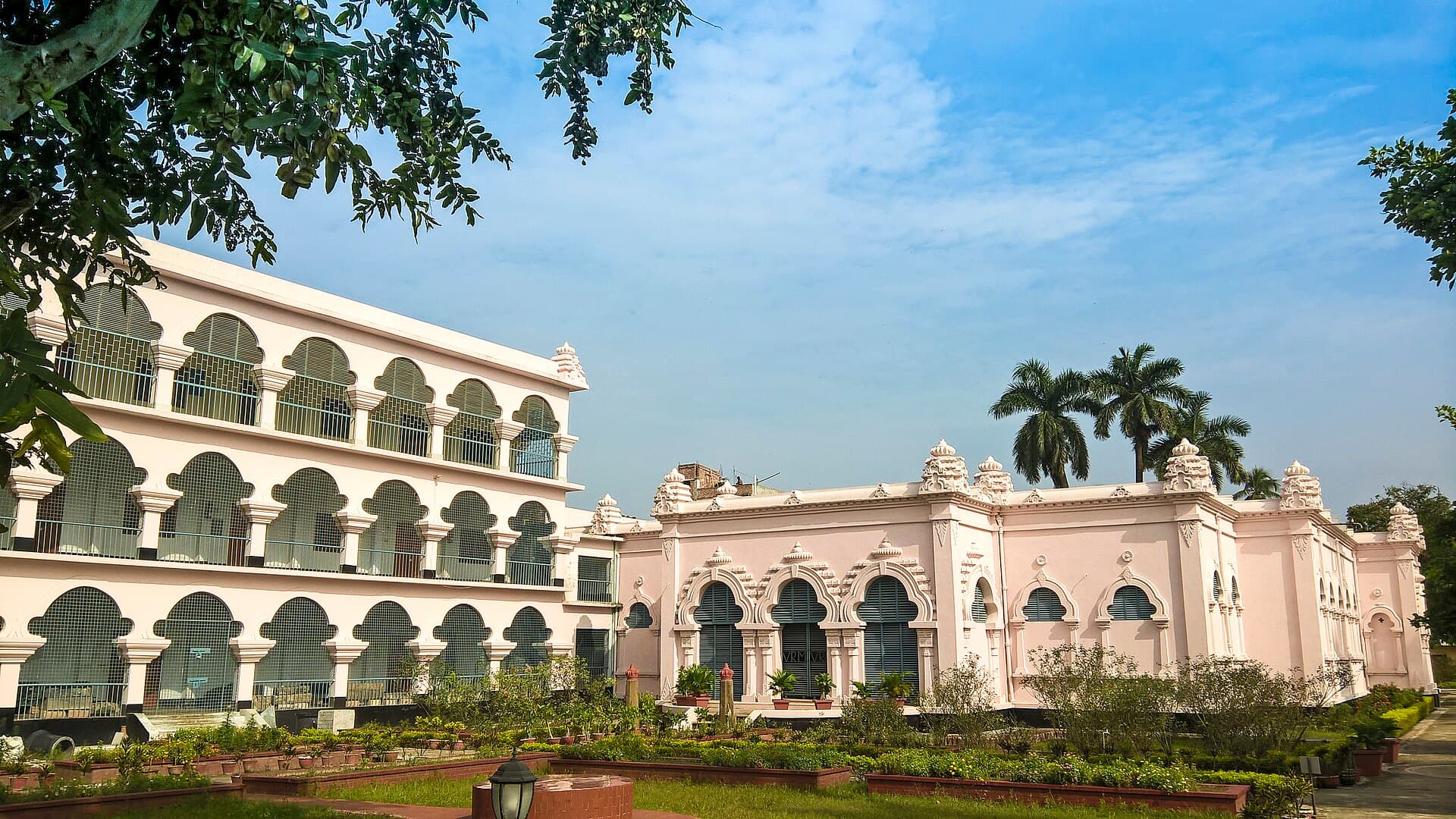
Varendra Research Museum: Rajshahi’s Treasure of Ancient Bengal
Step into one of Bangladesh’s oldest museums to explore rare sculptures, inscriptions, and artifacts that trace the Varendra region’s rich history.
Why Visit Varendra Research Museum
Situated in the heart of Rajshahi, the Varendra Research Museum preserves the archaeological legacy of northern Bengal’s ancient Varendra tract. Established in the early twentieth century, it houses stone sculptures, terracotta plaques, coins, and manuscripts that span Hindu, Buddhist, and early Islamic periods. Visitors gain a tangible sense of how trade, religion, and craftsmanship shaped this fertile riverine landscape.
What to See and Do
Key Collections
The ground-floor galleries display large black-stone images of deities such as Vishnu, Surya, and Tara, many recovered from nearby ruined temples. Upstairs rooms hold smaller bronze figures, terracotta seals, and palm-leaf manuscripts that reveal daily life and religious practice across centuries. A quiet courtyard garden contains architectural fragments that invite slow contemplation.
Research and Reflection
Scholars and curious travelers alike appreciate the museum’s role as a living archive. Labels and occasional guided talks explain iconography and excavation contexts, helping visitors connect individual objects to broader regional stories.
How to Get There
Rajshahi city is reached by overnight train or bus from Dhaka, or by short flight to Shah Makhdum Airport. From the city center or university campus, rickshaws and ride-hailing services reach the museum in minutes. The building stands near the university’s main gate, making it easy to combine with a campus stroll.
Best Time to Visit
November through February offers the most comfortable temperatures for walking between galleries and nearby sites. Monsoon months bring lush surroundings but higher humidity; summer visits are best limited to early mornings. Plan at least two hours to move through the exhibits without rushing.
Nearby Attractions
- The Padma River ghats for sunset views and boat rides.
- Rajshahi University’s botanical gardens and historic buildings.
- Local silk-weaving villages where visitors can watch traditional looms in action.
- The eighteenth-century Shah Makhdum Rupos shrine, a short drive away.
Combining these stops creates a full day that balances indoor study with outdoor exploration of Rajshahi’s cultural and natural landscape.