Skip to content
Plan & Tour
DestinationsItinerariesTravel BlogAboutContact
0Sign inPlan a trip
Plan & TourPlan & Tour

Travel guides, destination inspiration and curated itineraries for Canada, the USA and beyond, plus a free tool to plan your own day-by-day trip.

Get travel inspiration

Explore

  • All Destinations
  • Curated Itineraries
  • Travel Blog
  • Plan a Trip

Topics

  • Hiking & Nature
  • Food & Drink
  • City Breaks
  • Budget Travel

Company

  • About Us
  • Contact
  • Privacy Policy
  • Terms of Service

© 2026 Plan & Tour. Built for travellers.

Discover the world, one trip at a time.

Tuichi River: Rafting Bolivia’s Wild Amazon Tributary
  1. Home
  2. Destinations
  3. La Paz Department
  4. Tuichi River: Rafting Bolivia’s Wild Amazon Tributary
River

Tuichi River: Rafting Bolivia’s Wild Amazon Tributary

Float through pristine Madidi National Park on the Tuichi River, one of Bolivia’s most biodiverse and remote waterways.

La Paz DepartmentUpdated 12 October 2026

Why the Tuichi River Stands Out

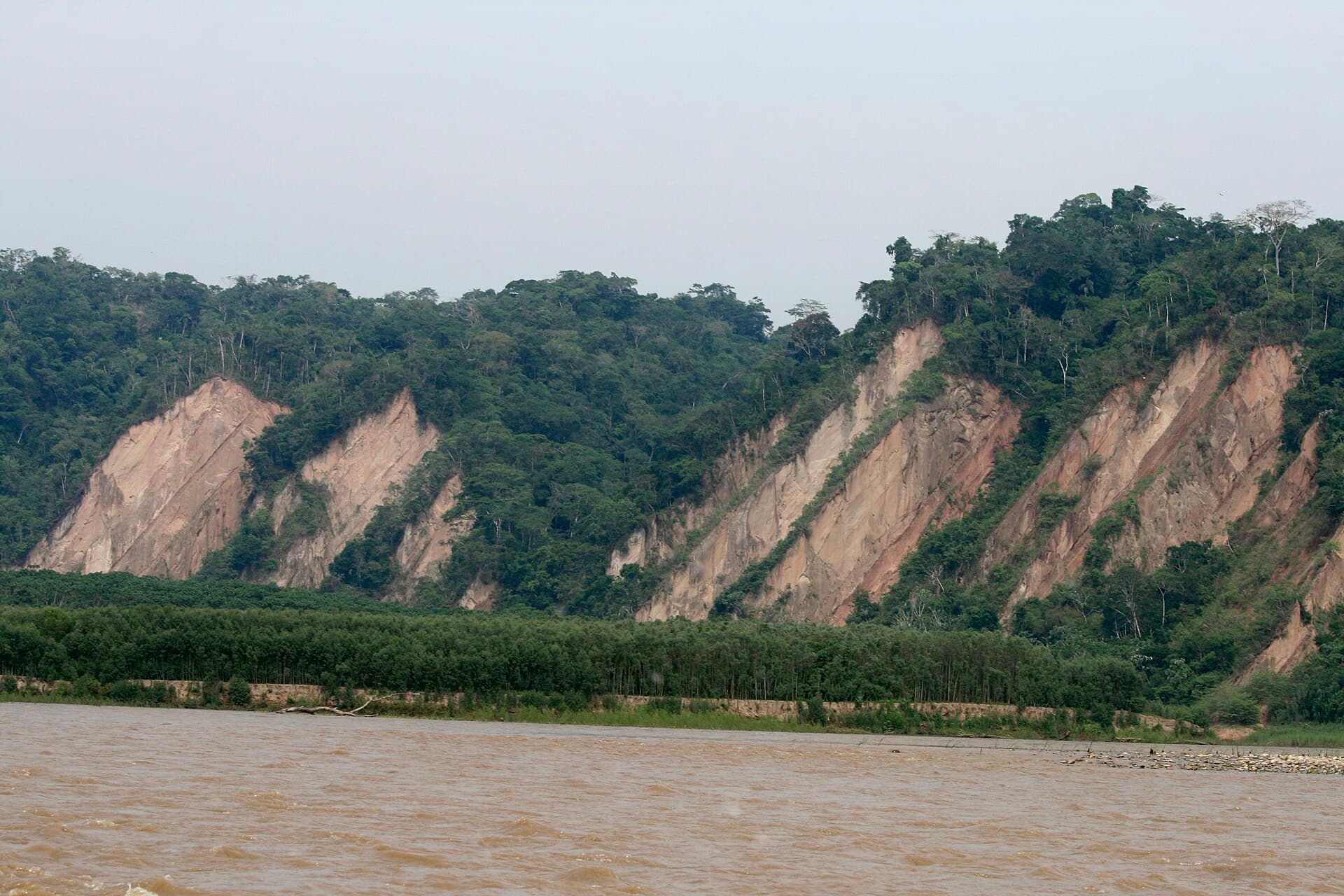
The Tuichi River cuts through the heart of Madidi National Park in Bolivia’s La Paz Department, offering travelers a rare chance to experience the Amazon basin in its near-pristine state. Clear waters wind past steep cliffs, sandy beaches, and dense rainforest that shelters jaguars, giant otters, and pink river dolphins. Few roads reach this area, so the river itself serves as the main highway, preserving a sense of genuine wilderness that has largely disappeared elsewhere in the Amazon.

Getting There

Most visitors fly into Rurrenabaque, a small jungle town on the Beni River. From there, multi-day rafting or motorized boat trips depart upstream into the Tuichi. The journey begins with a short drive or boat transfer to the put-in point near the park boundary. Independent travel is difficult; almost all access is arranged through licensed operators based in Rurrenabaque or La Paz.

Best Time to Visit

The dry season from May to October offers the most reliable conditions for rafting and wildlife viewing. Water levels drop, exposing beaches for camping, while animals concentrate near remaining water sources. The wet season (November–April) brings higher water and lush vegetation but also more insects and occasional flooding that can alter itineraries.

Activities on the River

Multi-day rafting expeditions combine class II–III rapids with jungle hikes and night walks. Guides point out tracks of tapir and peccary along the banks and lead visits to small Tacana communities that still fish and farm along the river. Birders often spot harpy eagles and macaws, while night paddles reveal caimans and the glowing eyes of nocturnal mammals. Shorter day trips are possible for those with limited time.

Nearby Destinations

After descending the Tuichi, many travelers continue to the pampas wetlands east of Rurrenabaque for easier wildlife sightings or head deeper into Madidi for multi-day treks. The nearby Beni River offers a calmer contrast, while the town of Rurrenabaque provides basic lodging and supplies before or after river travel.

Visitor tips

  • Book through reputable operators that employ local Tacana guides and follow strict leave-no-trace rules inside the national park.
  • Pack lightweight long sleeves, strong insect repellent, and quick-dry clothing; river temperatures stay warm but nights can cool quickly.
  • Carry cash in small denominations for any community visits or last-minute supplies in Rurrenabaque, as ATMs are limited.

Frequently asked questions

How many days do I need for the Tuichi River?+

Most rafting trips last four to six days to allow time for wildlife viewing and side hikes; shorter options exist but miss the deeper sections of the park.

Is the Tuichi River suitable for beginners?+

The rapids are generally moderate, but participants should be comfortable swimming and spending multiple nights camping. Operators provide safety briefings and equipment.

What wildlife is most likely to be seen?+

River dolphins, giant otters, and a wide variety of birds are common; jaguars and tapirs are possible but require patience and quiet travel.

Are there any communities along the river?+

Small Tacana settlements exist near the lower reaches; respectful visits are sometimes included in itineraries and support local conservation efforts.

What happens if it rains heavily during the trip?+

Guides monitor water levels and can adjust routes or camp locations; trips rarely cancel but may shorten certain hikes or change the pace of travel.

Share
Google Maps Apple Maps Directions

Image: Arthur Chapman · CC BY 2.0 · via Wikimedia Commons

Keep reading

Nearby & related

All stories
La Paz River: Rafting and Canyon Adventures in Bolivia
La Paz Department

La Paz River: Rafting and Canyon Adventures in Bolivia

Follow the La Paz River through Andean canyons from the highlands into the Yungas for rafting, scenery, and cultural…

13 October 2026
L
La Paz Department

Leque River: Bolivia’s Andean Waterway in La Paz Department

Follow the clear waters of the Leque River through rugged valleys and quiet Aymara communities in Bolivia’s La Paz…

13 October 2026
B
La Paz Department

Boopi River: Bolivia’s Wild Waterway in La Paz Department

A biodiverse river valley offering jungle hikes, wildlife viewing, and authentic Amazonian experiences near La Paz.

13 October 2026
