
Keep reading
Nearby & related
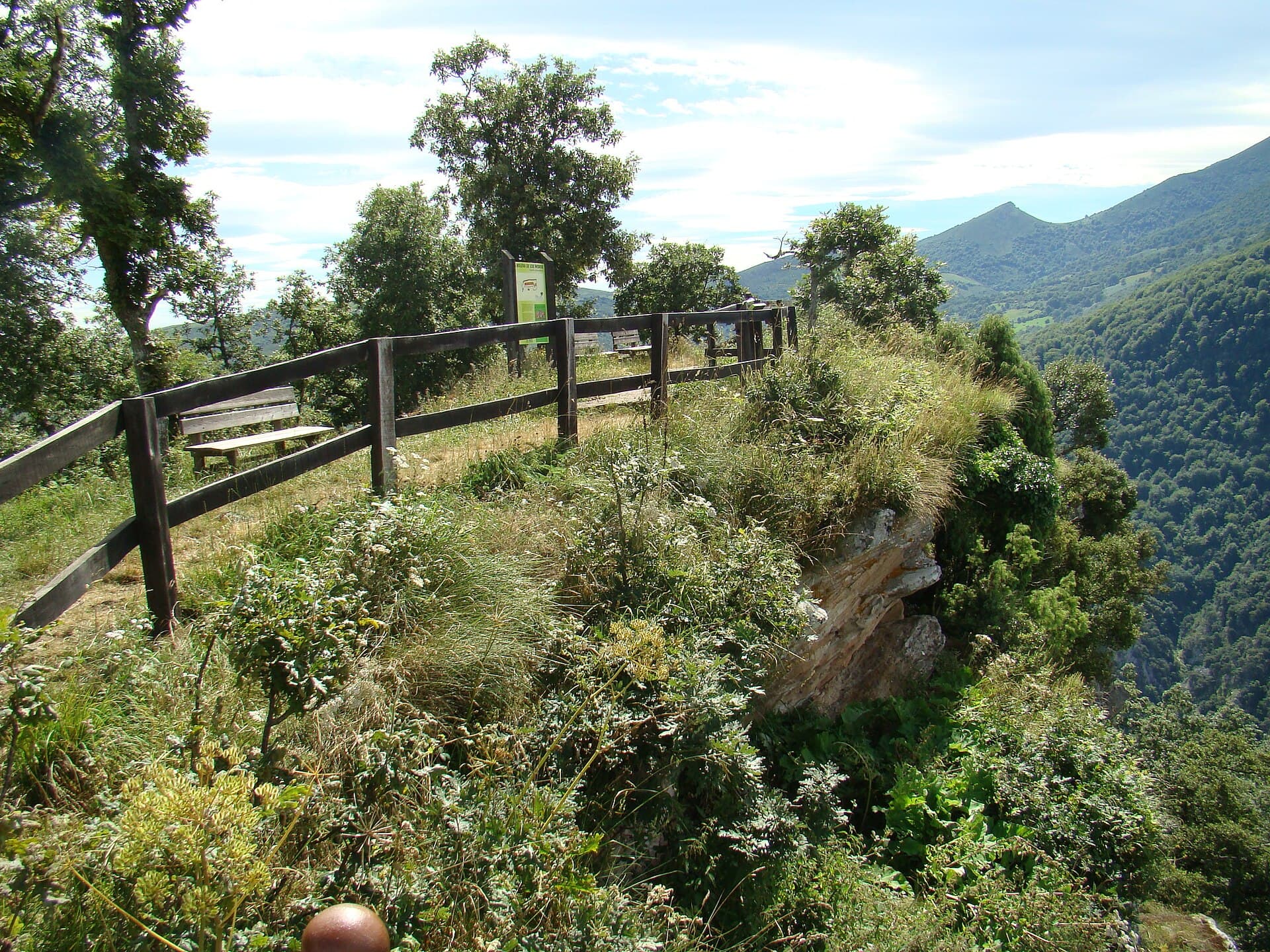
Bolera de los Moros: Medieval Castle Ruins in Peñarrubia, Cantabria
Explore the hilltop archaeological remains of this 13th-century fortress offering sweeping views over the Liébana valley…
11 November 2026
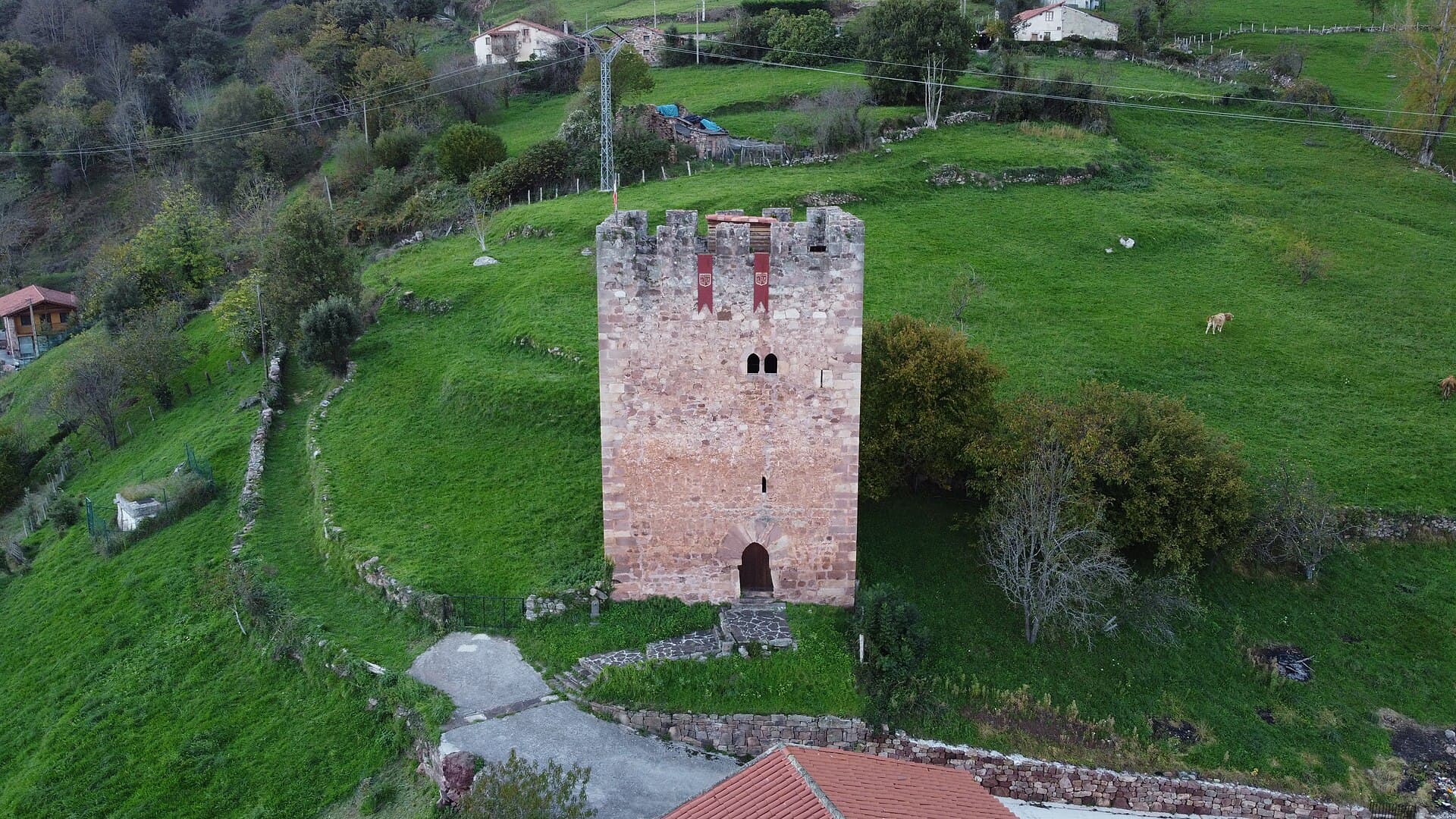
Explore the 14th-century stone tower perched above the dramatic valleys of Cantabria’s Peñarrubia municipality.
Torre del Pontón rises from a rocky outcrop in the municipality of Peñarrubia, offering visitors a tangible link to medieval Cantabria. The square stone keep commands sweeping views across the Nansa valley and the surrounding limestone peaks, making it an ideal stop for travelers who want both history and landscape in one outing.
Built in the fourteenth century, the tower formed part of a defensive network that protected mountain passes and monitored movement along the river corridor. Its thick walls, narrow arrow slits, and corbelled battlements remain largely intact, illustrating the simple yet effective military architecture of the period. A small attached chapel and the remains of an outer enclosure hint at its later use as a fortified residence.
Walk the short path around the base to appreciate the masonry and the way the tower merges with the natural rock. Climb the interior stairs, where permitted, for a 360-degree panorama that stretches toward the Picos de Europa on clear days. Photographers find the best light in late afternoon when the stone takes on warm tones against the green valley below. The surrounding meadows also support a short circular walk that links the tower with a nearby Romanesque bridge.
Drivers reach the site via the CA-181 from the N-621 coastal highway, turning onto a narrow local road that climbs through the village of Peñarrubia. Parking is available in a small gravel area below the tower; the final approach is on foot along a well-marked path. Public transport is limited, so most visitors combine the tower with a day trip by car from Santander or San Vicente de la Barquera.
Spring and early autumn bring mild temperatures and fewer clouds, ideal for photography and walking. Summer offers longer daylight but can be warm and occasionally hazy; winter visits are possible yet require caution on icy paths. The site remains open year-round, though the surrounding meadows are at their greenest from April to June.
Combine a visit with the medieval village of Puentenansa, the dramatic gorge of the Río Nansa, or the pilgrimage church of Santa María de Lebeña. The western edge of the Picos de Europa National Park lies less than an hour’s drive away, offering opportunities for longer hikes or visits to traditional mountain villages.
The tower dates from the fourteenth century and was originally built for surveillance and defense of the valley.
Yes, the exterior and surrounding paths are freely accessible; interior access, when available, is also without charge.
Visitors may enter the ground floor and climb to the upper level when the structure is open and safe; some sections remain closed for conservation.
A small informal parking area lies a short walk below the tower; space is limited on peak weekends.
No services exist at the tower itself; the nearest cafu00e9s and restrooms are in the village of Peu00f1arrubia or Puentenansa.
Keep reading
Explore the hilltop archaeological remains of this 13th-century fortress offering sweeping views over the Liébana valley…