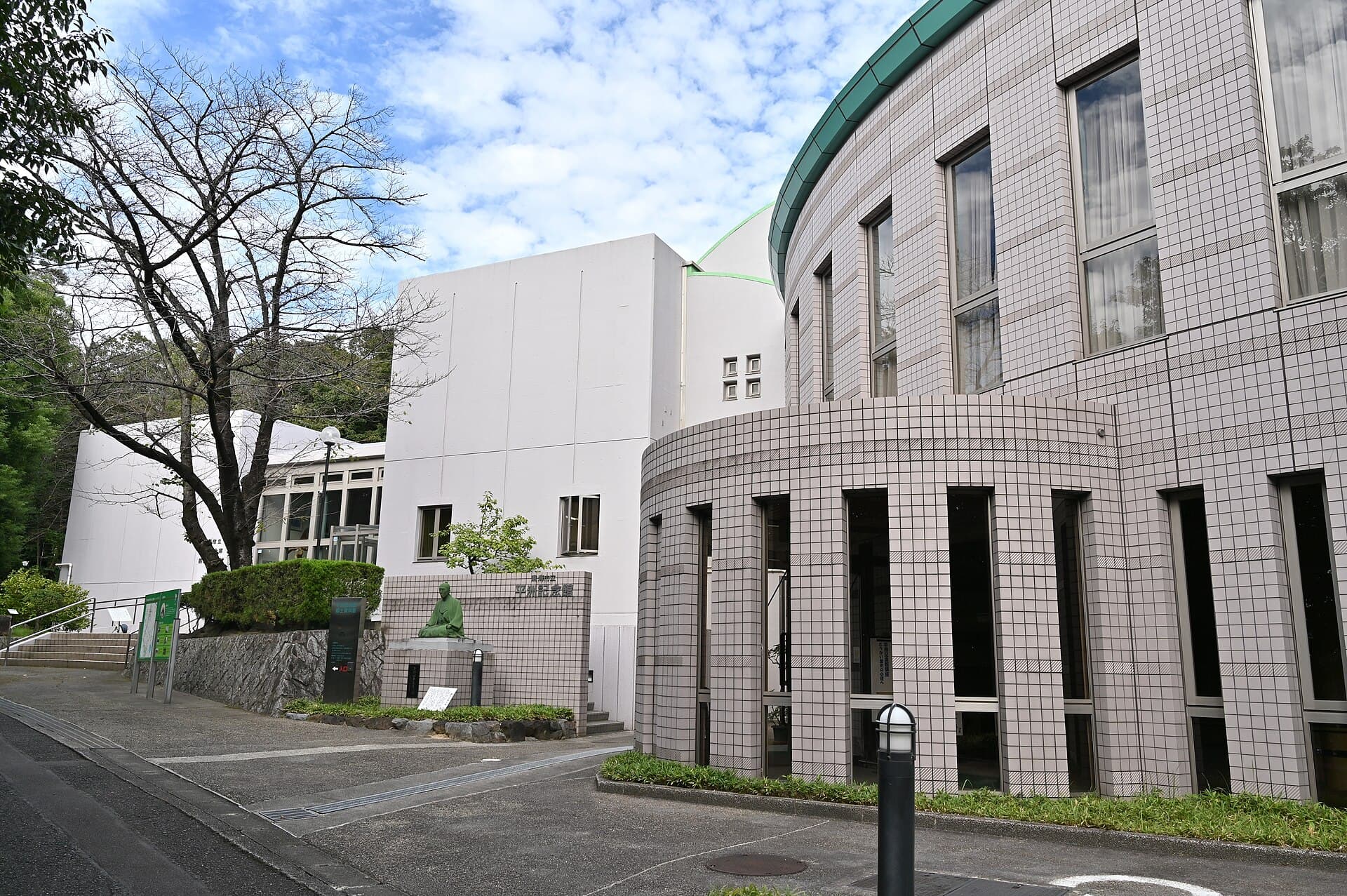
Why Visit the Tōkai City Museums
Located in the heart of Tōkai City, the Hirashū Memorial Hall and the adjacent Local History Museum together form a compact yet revealing window into the cultural and social fabric of southern Aichi Prefecture. The site honors the 18th-century scholar and educator Hirashū, whose teachings influenced regional thought, while the history museum displays tools, textiles, and documents that illustrate how ordinary residents lived, farmed, and traded along the Chita Peninsula coast.
The Hirashū Memorial Hall
Visitors enter a reconstructed study and lecture space that evokes the scholar’s modest home. Original manuscripts, calligraphy, and period furniture are displayed in simple wooden cases. Interpretive panels explain Hirashū’s emphasis on practical ethics and community education, themes still visible in local festivals today.
Local History Exhibits
The connected gallery moves chronologically from Jōmon pottery shards found in nearby shell middens to Meiji-era fishing gear and 20th-century textile machinery. A standout section recreates a 19th-century merchant kitchen, complete with period cookware and a working irori hearth that demonstrates how households managed smoke and heat. Seasonal displays highlight the area’s famous daikon harvest and traditional kite-making techniques still practiced in Tōkai neighborhoods.
Getting There and Practical Access
The museums sit a short walk from Ōtagawa Station on the Meitetsu Tokoname Line, roughly 25 minutes from central Nagoya. From the station, follow the clearly signed pedestrian route through quiet residential streets. On-site parking is limited; most visitors arrive by train and combine the stop with a stroll along the nearby canals.
Best Time to Visit
Spring and autumn offer the most comfortable temperatures for walking between the two buildings and exploring the small garden that separates them. The annual autumn culture festival, usually held in late October, features live demonstrations of traditional crafts that complement the permanent exhibits.
Nearby Attractions
After your visit, continue south on the Meitetsu line to visit the historic port town of Handa or head toward the Chita Peninsula’s coastal parks for views of Ise Bay. The region’s many shrines and old sake breweries provide additional context for the artifacts seen inside the museum.