
Tiwanaku River: Exploring Bolivia’s Ancient Altiplano Waterway
Trace the quiet course of the Tiwanaku River through the high plains of Ingavi Province and its enduring link to the nearby ruins.
Introduction to the Tiwanaku River
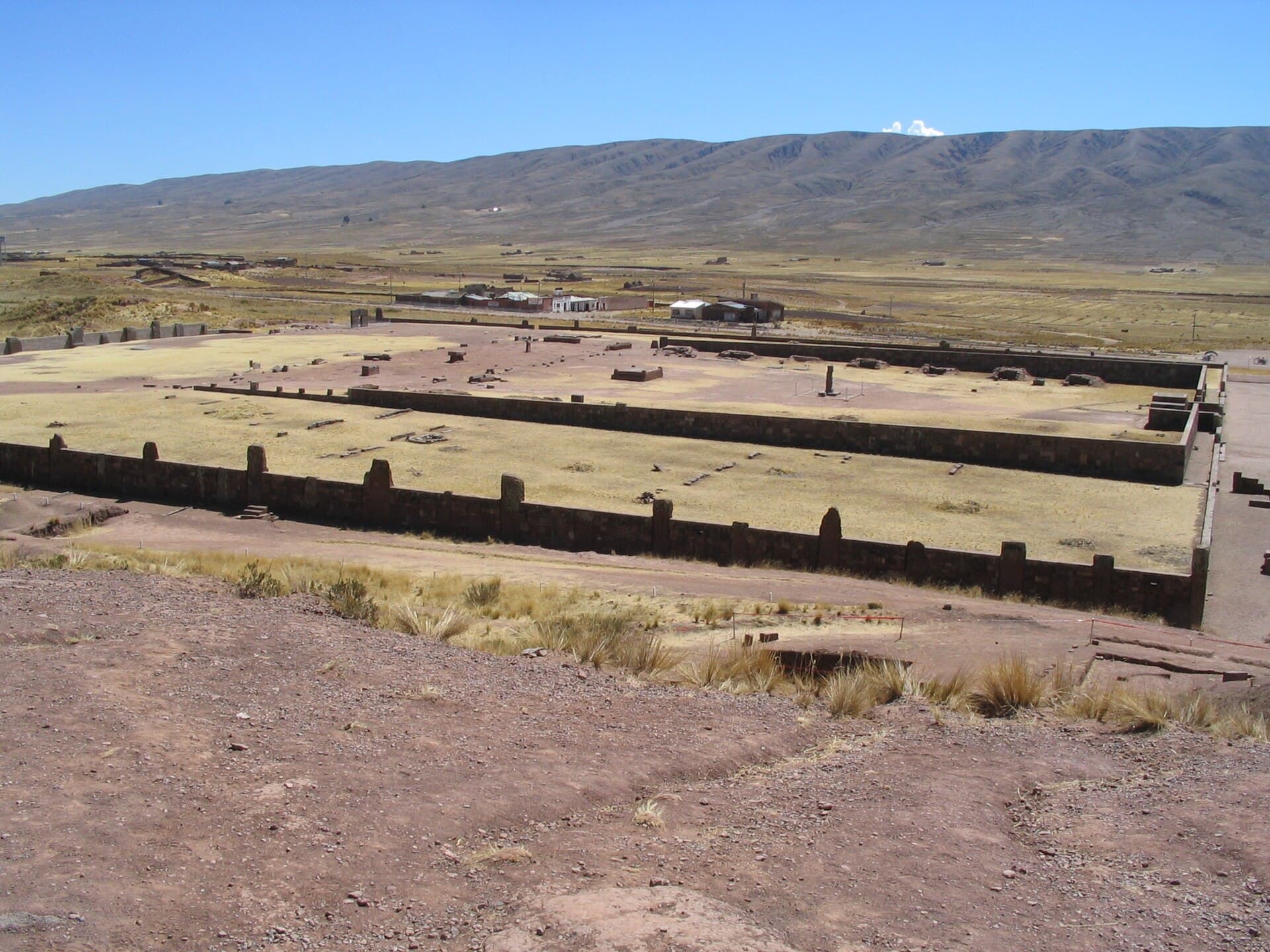
The Tiwanaku River flows across the stark, windswept altiplano of western Bolivia, carving a modest channel through the dry grasslands of Ingavi Province. Rising in the surrounding hills, it passes close to the famous Tiwanaku archaeological complex before continuing toward the shores of Lake Titicaca. Visitors come here not for dramatic rapids or lush canyons but for the river’s quiet presence amid one of the Andes’ most significant pre-Inca landscapes.
Historical and Cultural Context
Archaeologists believe the river played a practical role in the Tiwanaku culture’s sophisticated water-management systems between 300 and 1000 CE. Ancient canals and raised-field agriculture once drew from its flow, supporting a large urban population at elevations above 3,800 meters. Today the river remains a modest stream, yet its banks still reveal fragments of that engineering legacy in the form of stone alignments and subtle earthworks.
What to See and Do
Walk the river’s edge near the ruins for views of reed-lined banks and distant snow-capped peaks of the Cordillera Real. Photographers favor the golden-hour light that turns the surrounding pampas a warm ochre. Birdwatchers may spot Andean geese, flamingos, and occasional puna ibis along slower stretches. For a longer outing, follow informal paths downstream toward the village of Tiwanaku, where local herders still water llamas and alpacas at the river.
Getting There
Most travelers reach the river by first visiting the Tiwanaku archaeological site, located roughly 70 kilometers west of La Paz. Shared minibuses and private transfers depart daily from La Paz’s cemetery district; the journey takes about 90 minutes along paved highway. Once at the site entrance, short footpaths lead directly to the riverbank. Those with their own vehicle can park at the ruins and continue on foot or by bicycle along the flat terrain.
Best Time to Visit
The dry season from May to October offers the clearest skies and most stable walking conditions. Afternoon winds are common year-round, so mornings are preferable for photography and longer walks. The rainy months of December to March can turn surrounding fields muddy, though the river itself carries more water and occasional dramatic cloud formations over the altiplano.
Nearby Attractions
- The monumental stone gateways and sunken temple of Tiwanaku lie only a few hundred meters from the river.
- The smaller site of Puma Punku, with its precisely carved megaliths, sits on the opposite bank.
- Lake Titicaca’s southern shore at Copacabana is reachable in under two hours by road for those extending the journey.
Visitor tips
- Carry plenty of water and sun protection; the altiplano sun is intense even on cool days.
- Wear sturdy shoes with good grip; riverbanks can be uneven and slippery after rain.
- Hire a local guide at the Tiwanaku site entrance to learn how the river supported ancient agriculture.
Frequently asked questions
Is the Tiwanaku River safe for swimming or wading?
The water is cold year-round and currents can be deceptively strong after rain. Most visitors simply walk along the banks rather than enter the water.
How long does it take to walk the river near the ruins?
A relaxed out-and-back stroll from the archaeological entrance covers the most interesting section in 45 to 90 minutes.
Are there any facilities such as restrooms or food vendors by the river?
Basic services are available at the Tiwanaku site entrance; none exist directly on the riverbank itself.
Can I combine a river visit with a full tour of the Tiwanaku ruins?
Yes. The river lies within easy walking distance of the main monuments, so most visitors explore both in a single half-day trip.
Is the area around the Tiwanaku River suitable for children?
The flat terrain is manageable for older children, but the lack of shade and strong sun require careful planning and frequent breaks.