
Keep reading
Nearby & related
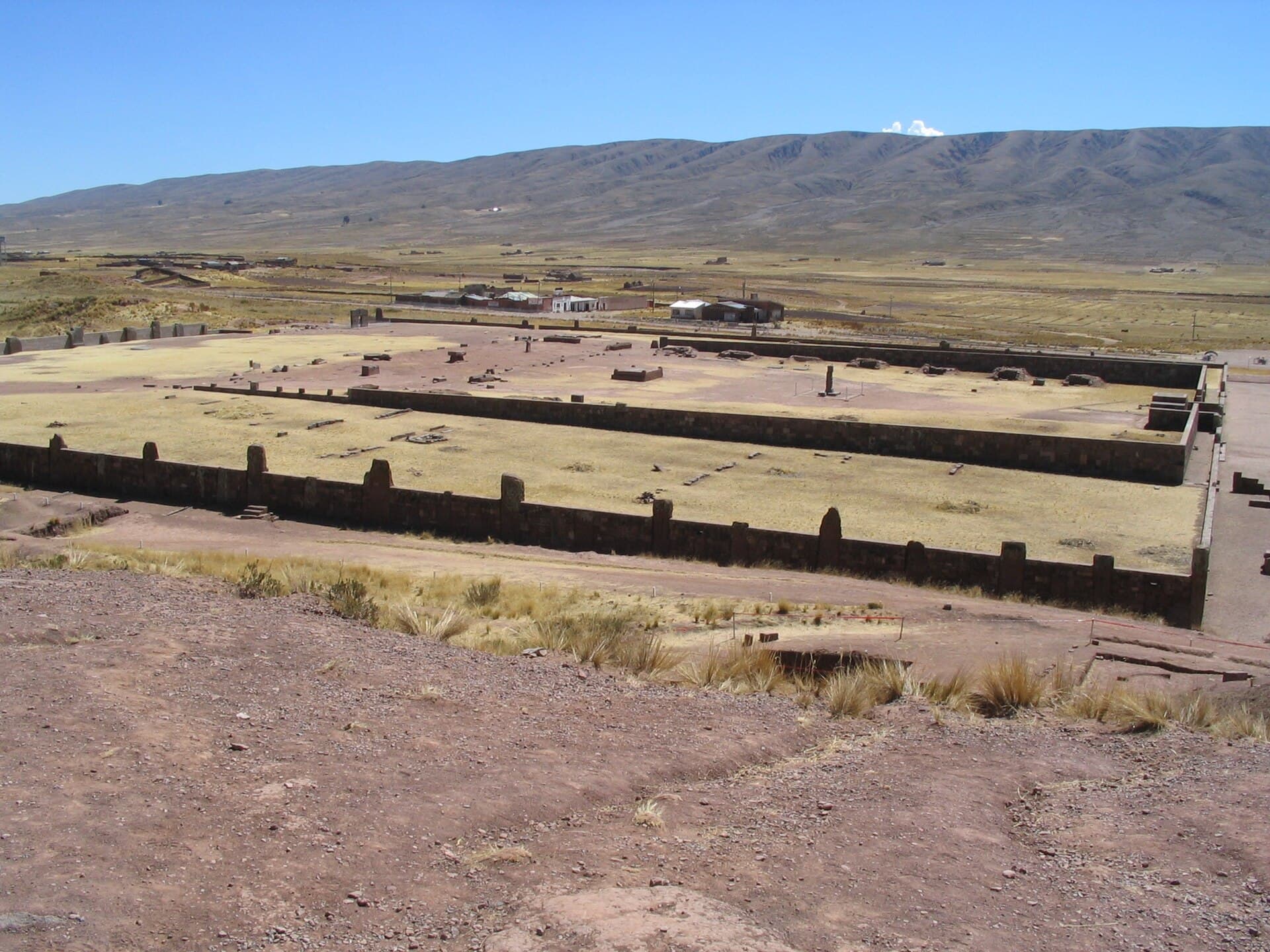
Kalasasaya: Exploring Tiwanaku’s Monumental Sunken Temple in Bolivia
Wander the stone platforms and monolithic gateways of Kalasasaya, the ceremonial heart of the ancient Tiwanaku…
12 October 2026
Uncover the monumental ruins and astronomical alignments of Tiwanaku, one of the Andes’ earliest urban centers.
Tiwanaku stands as one of the most important archaeological sites in the Andes, flourishing between 500 and 1000 CE as a political, religious, and economic hub long before the Inca Empire rose. Its massive stone platforms, sunken courtyards, and precisely carved monoliths reveal an advanced society that engineered irrigation systems and traded across the Altiplano. The site’s enduring stonework and solar alignments continue to draw travelers interested in pre-Columbian engineering and cosmology.
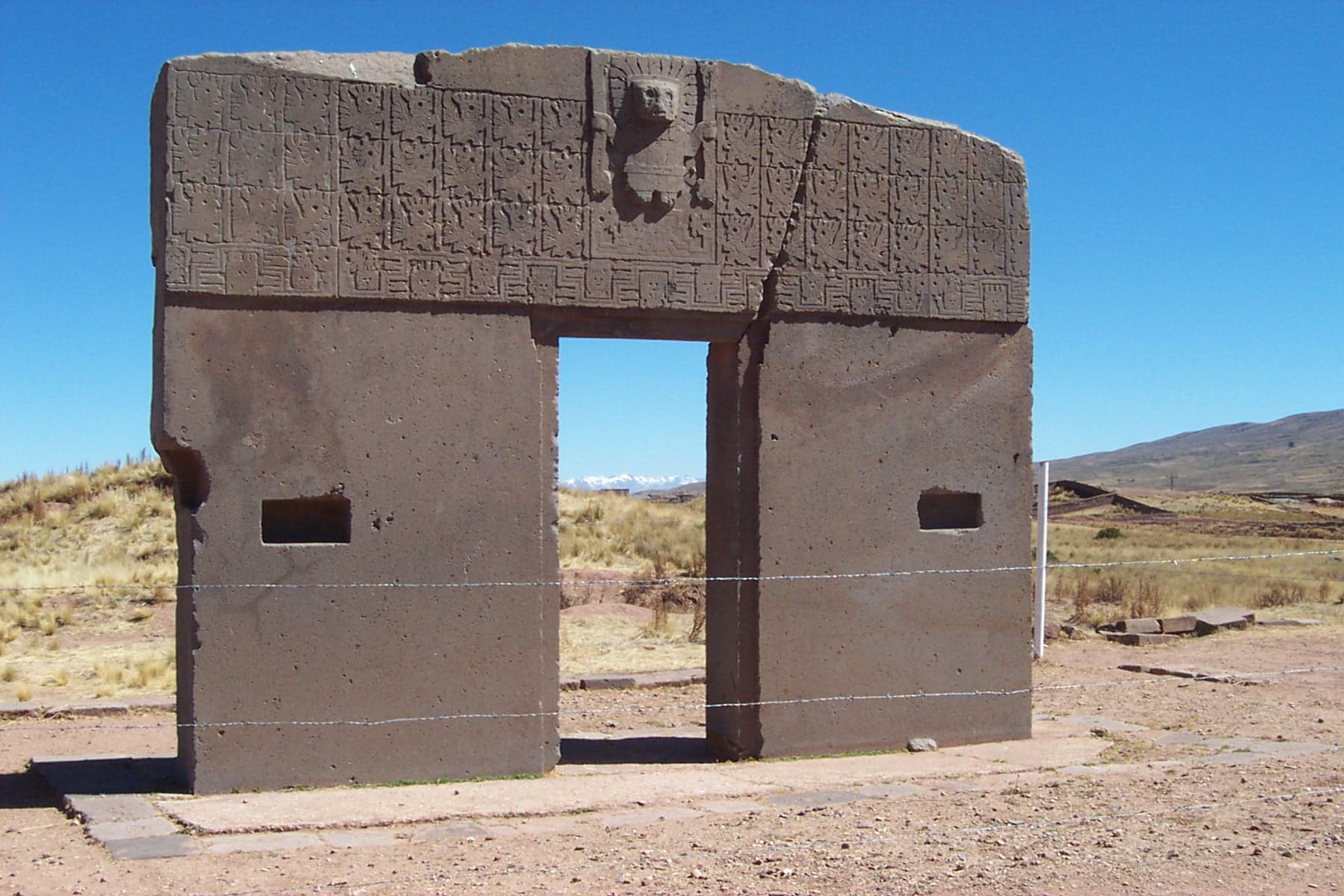
The Kalasasaya is a large rectangular enclosure where the iconic Gate of the Sun stands, carved from a single andesite block and decorated with the Staff God figure. Early morning light highlights the reliefs and allows visitors to observe how the structure frames the rising sun on equinoxes.
The stepped Akapana pyramid dominates the central area; climb its restored terraces for panoramic views of the surrounding plain. A short walk away lies Pumapunku, famous for its precisely cut andesite blocks featuring complex geometric shapes that suggest sophisticated stone-working techniques.
Descend into the Semi-Subterranean Temple to view the Bennett and Ponce monoliths up close. These towering figures once stood elsewhere on the site and now illustrate the range of Tiwanaku’s sculptural styles.
Most travelers reach Tiwanaku from La Paz by shared minibus or private transfer along the paved highway toward the Peruvian border; the journey crosses high plains with views of snow-capped peaks. The dry season from May to October offers the clearest skies and easiest walking conditions, while January through March brings afternoon thunderstorms that can make paths muddy.
Combine a visit with Lake Titicaca, roughly two hours farther west. The lakeside town of Copacabana and the Isla del Sol provide contrast to the arid altiplano and allow deeper insight into Aymara culture that still surrounds Tiwanaku today.
The main ceremonial structures date from roughly 500 CE, though evidence shows people occupied the area as early as 1500 BCE.
Yes. The archaeological site was inscribed in 2000 for its outstanding contribution to understanding Andean civilizations.
Yes. Round-trip travel by road takes about four hours, leaving ample time to explore the ruins and return the same day.
Tiwanaku sits at approximately 3,850 meters. Spending a day or two in La Paz first helps most visitors adjust before heading to the site.
Basic facilities and small vendors offering snacks and drinks are available near the entrance; bringing water and a light snack is still recommended.
Keep reading
Wander the stone platforms and monolithic gateways of Kalasasaya, the ceremonial heart of the ancient Tiwanaku…