Skip to content
Plan & Tour
DestinationsItinerariesTravel BlogAboutContact
0Sign inPlan a trip
Plan & TourPlan & Tour

Travel guides, destination inspiration and curated itineraries for Canada, the USA and beyond, plus a free tool to plan your own day-by-day trip.

Get travel inspiration

Explore

  • All Destinations
  • Curated Itineraries
  • Travel Blog
  • Plan a Trip

Topics

  • Hiking & Nature
  • Food & Drink
  • City Breaks
  • Budget Travel

Company

  • About Us
  • Contact
  • Privacy Policy
  • Terms of Service

© 2026 Plan & Tour. Built for travellers.

Discover the world, one trip at a time.

Timpone della Motta: Calabria’s Hilltop Sanctuary of Ancient Civilizations
  1. Home
  2. Destinations
  3. Calabria
  4. Timpone della Motta: Calabria’s Hilltop Sanctuary of Ancient Civilizations
Archaeological site

Timpone della Motta: Calabria’s Hilltop Sanctuary of Ancient Civilizations

Discover the layered ruins and sweeping views at this key archaeological site tracing prehistoric and Greek-era life in southern Italy.

CalabriaUpdated 17 October 2026

Why Visit Timpone della Motta

Perched on a prominent hill near Francavilla Marittima, Timpone della Motta offers visitors a tangible connection to the region’s deep past. The site preserves evidence of continuous occupation from the Bronze Age through the period of Greek colonization, revealing how local Italic communities interacted with arriving settlers. Its elevated position provides expansive views across the fertile Sybaris plain, making the journey rewarding even before exploring the remains.

What to See and Do

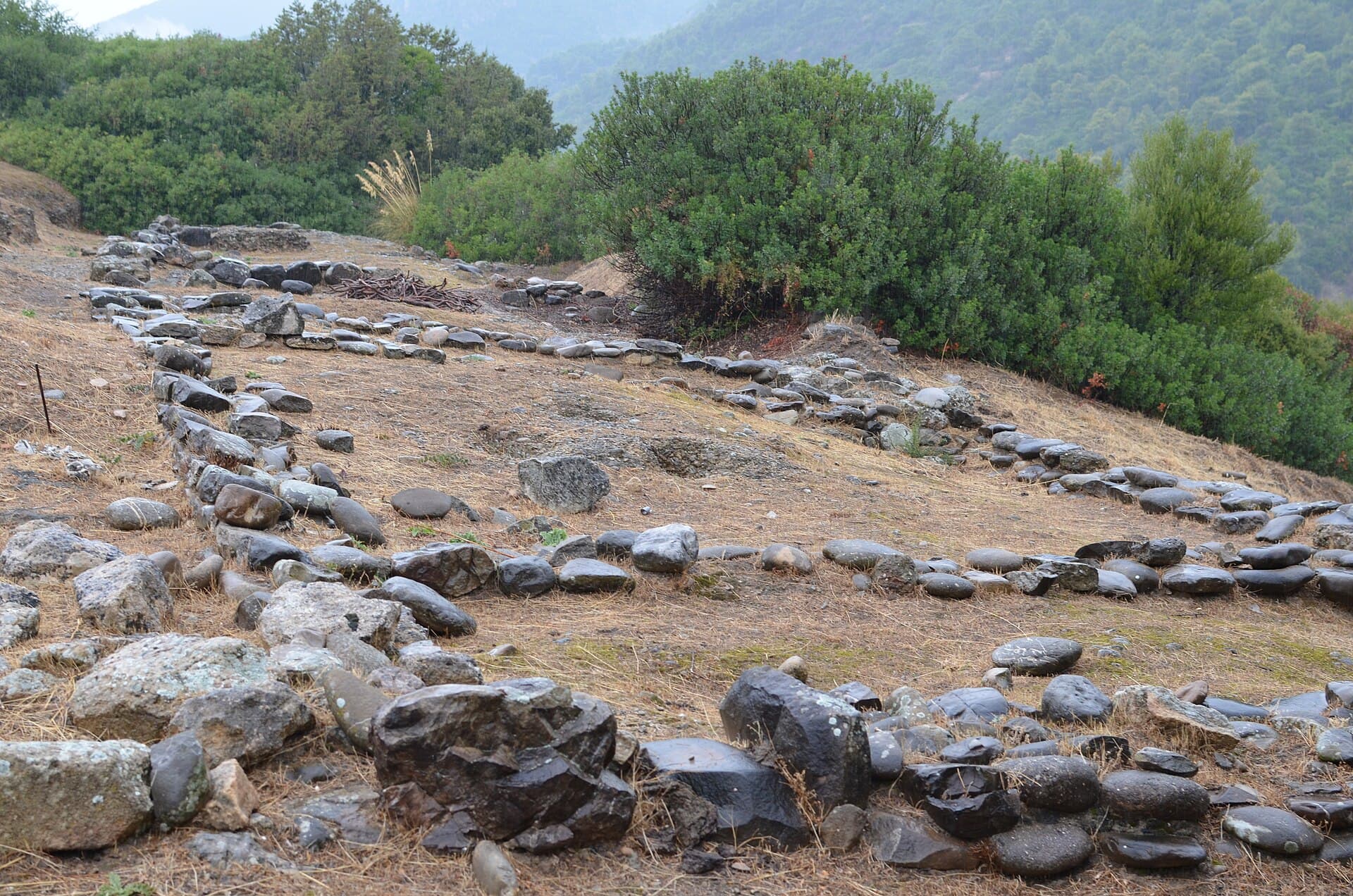
Walk the paths that wind across the hilltop to examine the foundations of ancient structures. Key features include the sanctuary area with altar remnants and building platforms, as well as traces of domestic dwellings lower on the slopes. The layout illustrates how the site functioned both as a ritual center and a defended settlement. Photographers will appreciate the contrast between weathered stone and the surrounding olive groves and distant mountains. Allow time to sit and absorb the landscape that shaped these communities for centuries.

Understanding the Layers of History

Archaeological work has uncovered votive offerings, pottery, and architectural fragments that show evolving religious practices. Early phases reflect indigenous traditions, while later additions demonstrate Greek architectural influence without full replacement of local customs. Interpretive panels at the site help visitors trace these transitions, though the real value lies in observing the strategic hill location chosen for both defense and visibility over trade routes.

How to Get There

The site lies in the province of Cosenza, best reached by car along the SS106 coastal road before turning inland toward Francavilla Marittima. From the town, a short drive or hike leads to the hill access point. Public buses serve the nearby village, after which a taxi or arranged transfer completes the trip. Parking is available at the base, and the final ascent is on foot along established trails.

Best Time to Visit

Spring and autumn deliver comfortable temperatures for exploring the exposed terrain, while wildflowers or changing light enhance the setting. Summer visits require early starts to avoid midday heat and strong sun. Winter brings fewer crowds but can make paths slippery after rain. The mild Calabrian climate supports year-round access, though checking recent weather conditions remains wise.

Nearby Attractions

Combine a visit with the archaeological park at ancient Sybaris to compare Greek colonial planning with the indigenous hilltop culture. The museum in Sibari houses many finds from the broader area, providing context for what remains in situ at Timpone della Motta. Coastal towns along the Ionian Sea offer beaches and seafood for a relaxed extension of the day.

Visitor tips

  • Wear sturdy walking shoes and bring sun protection, as the hilltop terrain is uneven and largely unshaded.
  • Carry water and snacks, since facilities are limited once you leave the nearest village.
  • Visit in combination with the Sybaris plain sites to better understand regional settlement patterns across the same period.

Frequently asked questions

How long does a typical visit to Timpone della Motta take?+

Most visitors spend one to two hours walking the main paths and examining the visible ruins, though those interested in photography or history may stay longer.

Is the site suitable for children or visitors with limited mobility?+

The uneven trails and uphill sections make it challenging for strollers or wheelchairs. Comfortable shoes and moderate fitness are recommended for all ages.

Are guided tours available at Timpone della Motta?+

Occasional guided walks are organized through local archaeological groups or the regional park authority. Independent exploration with basic background reading works well for most visitors.

What should I bring for a visit in warmer months?+

Plenty of water, a hat, sunscreen, and perhaps a light snack. There are no services directly on the hill, so plan accordingly before leaving the village.

Can I combine Timpone della Motta with a beach day?+

Yes. The Ionian coast is only a short drive away, allowing a morning at the ruins followed by an afternoon at nearby beaches around Sibari or Trebisacce.

Share
Google Maps Apple Maps Directions

Visitor info

+39-0981-994872

Official website

Contact info via Wikidata

Image: AlexanderVanLoon · CC BY-SA 3.0 · via Wikimedia Commons

Keep reading

Nearby & related

All stories
S
Calabria

Silos Archaeological Site: Ancient Ruins in Coastal Calabria

Explore the layered history and quiet coastal setting of Silos, an archaeological site near Crotone that preserves…

18 October 2026
C
Calabria

Cannoni Archaeological Site: Ancient Ruins in Calabria’s Heartland

Wander the weathered remains of Cannoni, an evocative archaeological site near Crotone revealing layers of ancient…

18 October 2026
T
Calabria

Torrionetto Archaeological Site: Calabria’s Quiet Window into Ancient Magna Graecia

Trace layers of Greek and Roman history at this compact, coastal ruin near Crotone.

18 October 2026