
Keep reading
Nearby & related
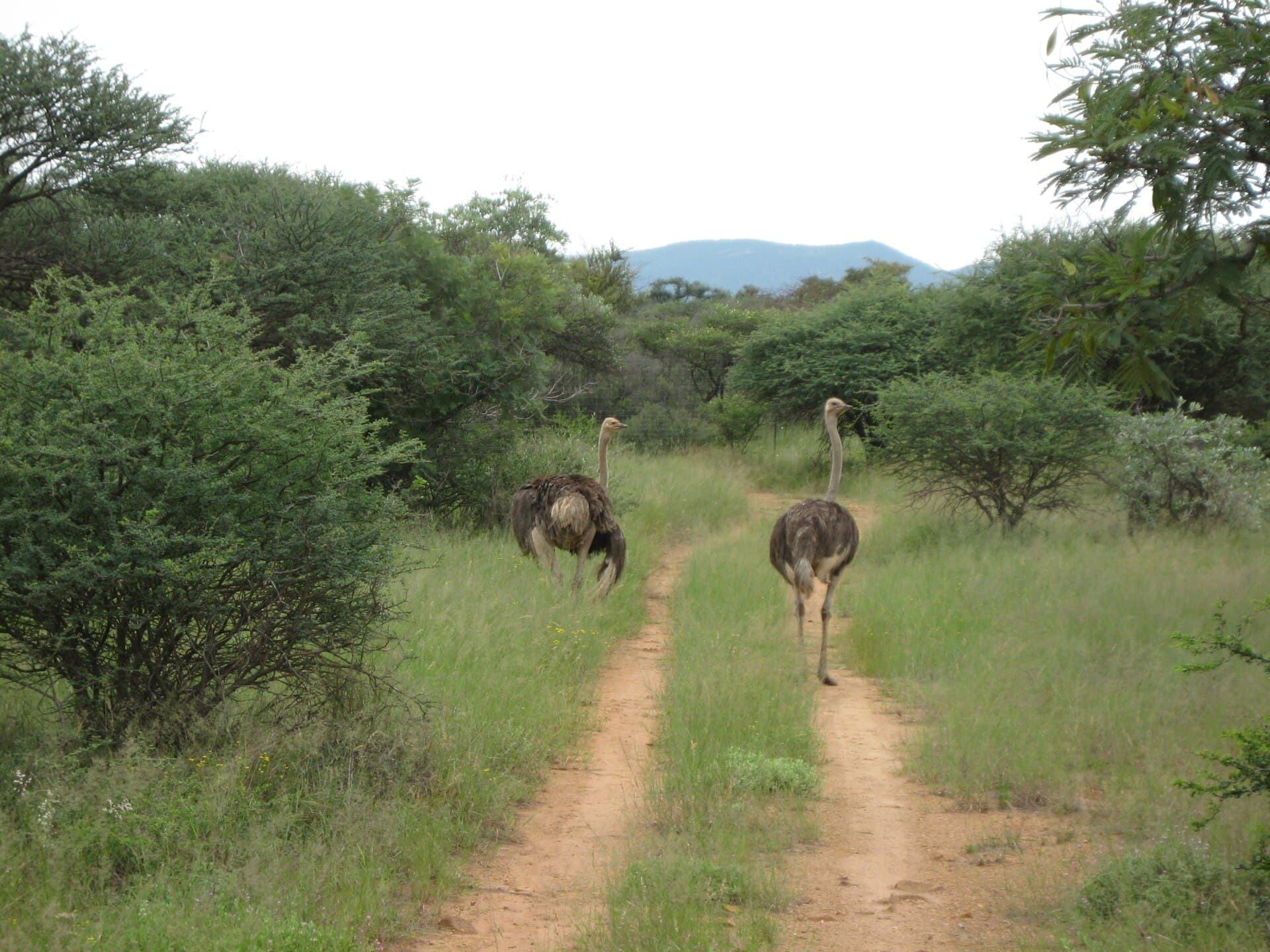
Mokolodi Nature Reserve: Botswana Wildlife Sanctuary Near Gaborone
Explore rhinos, giraffes, and Botswana bushveld on guided drives and walks in this protected reserve just south of the…
12 October 2026
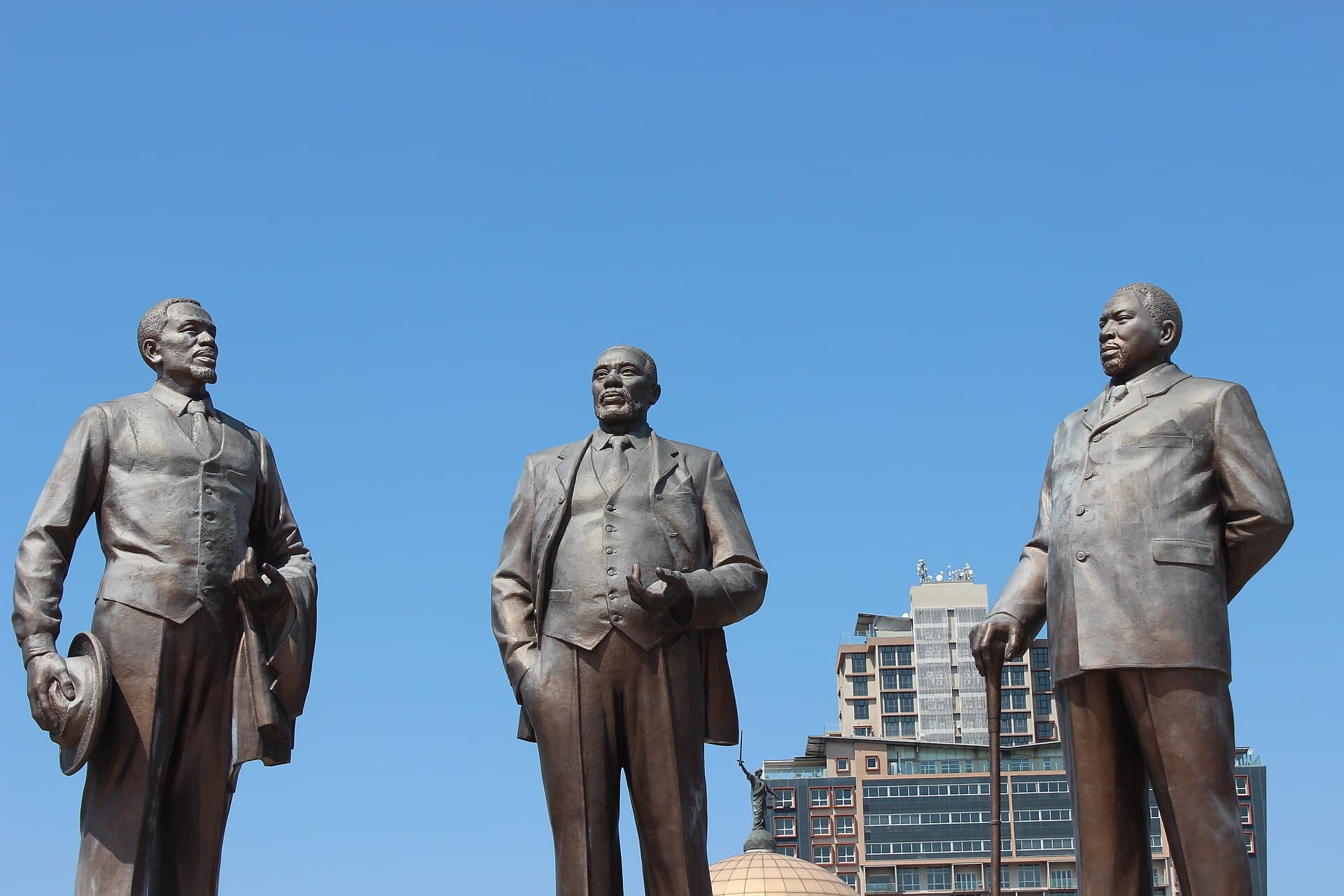
Stand before the towering bronze figures of Khama III, Sebele I and Bathoen I and trace the story of how three Batswana leaders secured their nation's independence.
The Three Dikgosi Monument in central Gaborone honours three 19th-century chiefs whose diplomacy kept Botswana from becoming part of Cecil Rhodes’s British South Africa Company. Khama III of the Bangwato, Sebele I of the Bakwena and Bathoen I of the Bangwaketse travelled to London in 1895 and successfully petitioned Queen Victoria to place their territories under direct Crown protection rather than company rule. Their statues, cast in bronze and set on a granite plinth, face north toward the route the chiefs once took.
Each figure stands roughly four metres tall, dressed in traditional regalia and holding a staff or knobkerrie. Inscriptions in English and Setswana recount the 1895 mission. The surrounding paved plaza offers clear sightlines for photographs and includes low stone benches where visitors can sit and read interpretive panels that explain the chiefs’ individual roles in land rights and education.
The monument lies within easy walking distance of the city’s government precinct and the National Museum. Most travellers arrive by taxi, ride-hailing app or on foot from the nearby bus rank. A gentle slope leads from the street to the plaza; the surface is smooth enough for wheelchairs and strollers. Allow 30 to 45 minutes to view the statues, read the panels and take photographs.
Gaborone’s dry winter months (May to September) bring cooler temperatures and clear skies, making the metal statues comfortable to approach even at midday. Early morning or late afternoon light is ideal for photography because it reduces harsh reflections on the bronze. National holidays, especially Botswana Independence Day on 30 September, often feature wreath-laying ceremonies that add context to the site.
After visiting the monument, continue to the National Museum and Art Gallery for exhibits on Botswana’s pre-colonial history, or walk south to the Parliament buildings whose modern architecture contrasts with the traditional dress of the chiefs. A short drive north reaches the Mokolodi Nature Reserve, where day visitors can see rescued wildlife and learn about conservation efforts that echo the chiefs’ early concern for land stewardship.
The statues represent Khama III, Sebele I and Bathoen I, the chiefs who travelled to London in 1895 to secure British protection for their territories.
Most visitors spend 30 to 45 minutes reading the panels, photographing the statues and enjoying the plaza.
Yes, a paved slope leads from the street to the level plaza, making it suitable for wheelchairs and strollers.
The cooler, drier months from May to September offer comfortable temperatures and clear skies for outdoor viewing.
Yes, the National Museum, Parliament buildings and city centre markets are all within walking distance, allowing a compact half-day itinerary.
Keep reading
Explore rhinos, giraffes, and Botswana bushveld on guided drives and walks in this protected reserve just south of the…