
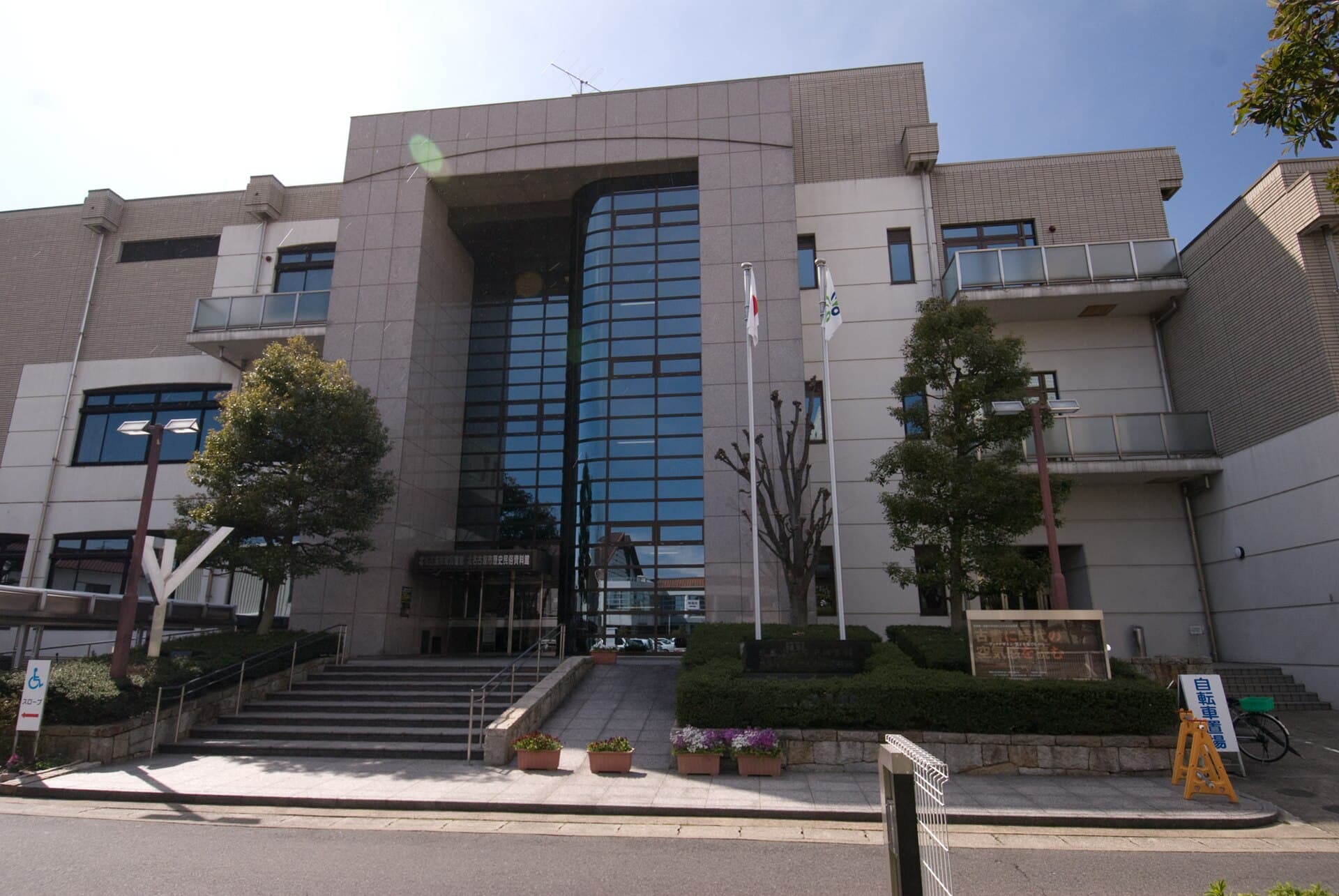
The Showa Era Lifestyle Museum: A Journey Through Postwar Japan in Kitanagoya
Step into faithfully reconstructed 1950s–1970s homes, shops, and streets at this living museum of everyday Showa-era life.
Why the Showa Era Lifestyle Museum Stands Out
Unlike conventional history museums that focus on politics or artifacts behind glass, the Showa Era Lifestyle Museum in Kitanagoya recreates entire streets and interiors from the postwar decades when Japan rebuilt itself. Visitors walk through wooden machiya houses filled with tatami rooms, kerosene heaters, and black-and-white televisions, gaining a tangible sense of how ordinary families lived, cooked, and entertained during the era of rapid economic growth.
What to See and Do
Begin in the residential section where period kitchens display aluminum pots, gas stoves, and rice cookers that marked the shift from charcoal to modern appliances. Adjacent rooms show school desks from the 1960s, children’s toys such as tin robots and celluloid dolls, and clothing racks with school uniforms and happi coats. The commercial street includes a working barbershop with vintage chairs, a confectionery selling retro sweets, and a small cinema screening newsreels and advertisements from the time. Interactive elements allow guests to handle certain objects and listen to period radio broadcasts. Seasonal events sometimes feature Showa-era music or film screenings, adding atmosphere without altering the core collection.
Getting There
The museum lies in Kitanagoya, a short train ride northwest of central Nagoya. From Nagoya Station, take the Meitetsu Inuyama Line to Nishiharu Station and transfer to a local bus or walk roughly fifteen minutes; the route passes quiet residential neighborhoods that still retain some Showa-period architecture. Taxis from the station are straightforward, and parking is available for drivers exploring Aichi by car.
Best Time to Visit and Nearby Attractions
Visit during spring or autumn when temperatures are mild and humidity is low, making outdoor walking between exhibit buildings comfortable. Weekday mornings tend to be quieter than weekends. Combine the trip with nearby sites such as the historic castle town of Inuyama, the Meiji-era architecture along the Nagara River, or Nagoya’s industrial heritage museums that complement the Showa focus by showing the factories that powered the era’s growth.
Visitor tips
- Allow at least two hours to explore the indoor and outdoor exhibits at a relaxed pace; the reconstructed streets reward slow observation of small details like product labels and signage.
- Wear comfortable shoes, as the museum involves walking on tatami, gravel paths, and uneven wooden floors typical of period buildings.
- Bring a camera for the photogenic shop displays and vintage vehicles, but check posted guidelines before photographing any interactive or private areas.
Frequently asked questions
Is the Showa Era Lifestyle Museum suitable for children?
Yes. The hands-on elements, old toys, and walk-through houses engage kids, though very young children may need supervision around fragile displays and period stairs.
How long does a typical visit take?
Most visitors spend two to three hours; those interested in photography or comparing specific decades often stay longer.
Do I need to speak Japanese to enjoy the museum?
Basic English signage covers the main themes, and many objects are self-explanatory. A small audio guide or translation app helps with finer details on household items.
Is the museum accessible for visitors with mobility needs?
Some areas feature tatami and steps that limit wheelchair access; contact the museum in advance to learn which sections are reachable via ramps and flat paths.
What should I wear or bring for a visit?
Comfortable walking shoes and a light jacket are useful year-round. A small notebook is handy for noting the many everyday items that evoke personal memories for older Japanese visitors.