
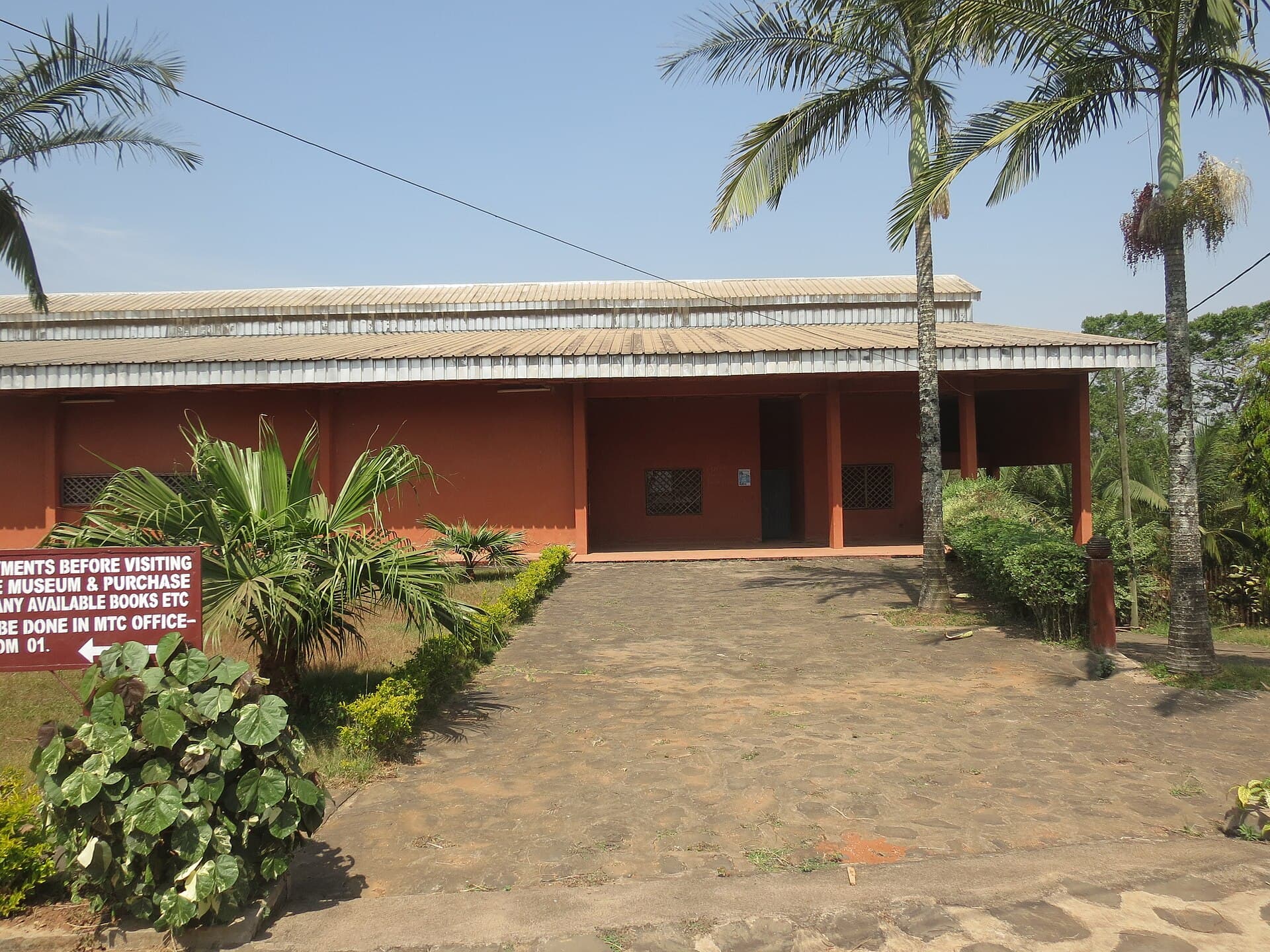
The Royal Museum of Mankon: Bamenda’s Palace of Grassfields Heritage
Step into the royal collections and living traditions of the Mankon Fondom at this distinctive palace museum in northwest Cameroon.
Why the Royal Museum of Mankon Matters
The Royal Museum of Mankon preserves the material culture of one of the historic fondoms of the Bamenda Grassfields. Housed within the Mankon Palace compound, the museum displays royal regalia, ancestral stools, carved masks, ironwork, and textiles that trace the kingdom’s political and spiritual history. Visitors gain direct insight into the Fon’s court and the rituals that still shape daily life in the surrounding quarters.
What to See and Do
Royal Regalia and Court Artifacts
The core galleries present the Fon’s personal and ceremonial objects, including beaded thrones, elephant-tusk trumpets, and prestige caps reserved for title-holders. Explanatory panels link each item to specific dynastic events, helping visitors understand the symbolic language of Grassfields leadership.
Traditional Craft Demonstrations
On many days local artisans demonstrate raffia weaving and wood carving in the museum courtyard. These sessions illustrate techniques passed down through palace guilds and give context to the finished pieces on display.
Palace Grounds and Architecture
After viewing the indoor exhibits, walk the palace forecourt to see the arrangement of royal houses and the sacred trees that mark the fondom’s spiritual center. The layout itself is part of the museum’s story.
Getting There
The museum lies on the western side of Bamenda, a short ride from the city’s main motor park. Shared taxis and motorcycle taxis run regularly along the Mankon road; ask for “Mankon Palace.” Once inside the compound, the museum entrance is clearly marked. Travelers arriving from Yaoundé or Douala can reach Bamenda by road in a day; the final approach offers sweeping views of the Grassfields plateau.
Best Time to Visit
The dry season from November to February brings reliable weather and clearer roads, making it ideal for exploring both the museum and the surrounding villages. The rainy season (June–September) can limit outdoor movement, though the collections remain open year-round. Major palace festivals, usually held after the harvest, offer an extra layer of living culture for visitors who can time their trip accordingly.
Nearby Attractions
- The Mankon Market, where local produce and craft items change hands daily.
- Other fondom museums along the Bamenda Ring Road, each highlighting a different kingdom’s heritage.
- The scenic hills above Bamenda for short hikes with panoramic views of the Ndop Plain.
Visitor tips
- Dress modestly and remove shoes when entering any royal or sacred spaces within the palace compound.
- Ask at the entrance about arranging a palace guide; their commentary adds depth that labels alone cannot provide.
- Carry small-denomination notes for tips to artisans and for purchasing raffia crafts directly from makers.
Frequently asked questions
How long does a typical visit take?
Allow two to three hours to view the indoor galleries, watch any craft demonstrations, and walk the palace grounds at a comfortable pace.
Is photography permitted inside the museum?
Photography is generally allowed in the galleries but restricted near certain royal objects; always check with staff before taking pictures.
Can I visit the museum without a prior appointment?
Walk-in visits are welcome on regular days, though groups or visitors hoping to meet palace officials should inquire in advance through local contacts.
Are there facilities for visitors with limited mobility?
The main exhibition rooms are on a single level, but some courtyard paths are uneven; ask staff for the most accessible route.
What nearby villages can I combine with a museum visit?
The museum sits within the larger Mankon quarter, so a short walk or taxi ride reaches other palace-related sites and the weekly market.