
Keep reading
Nearby & related
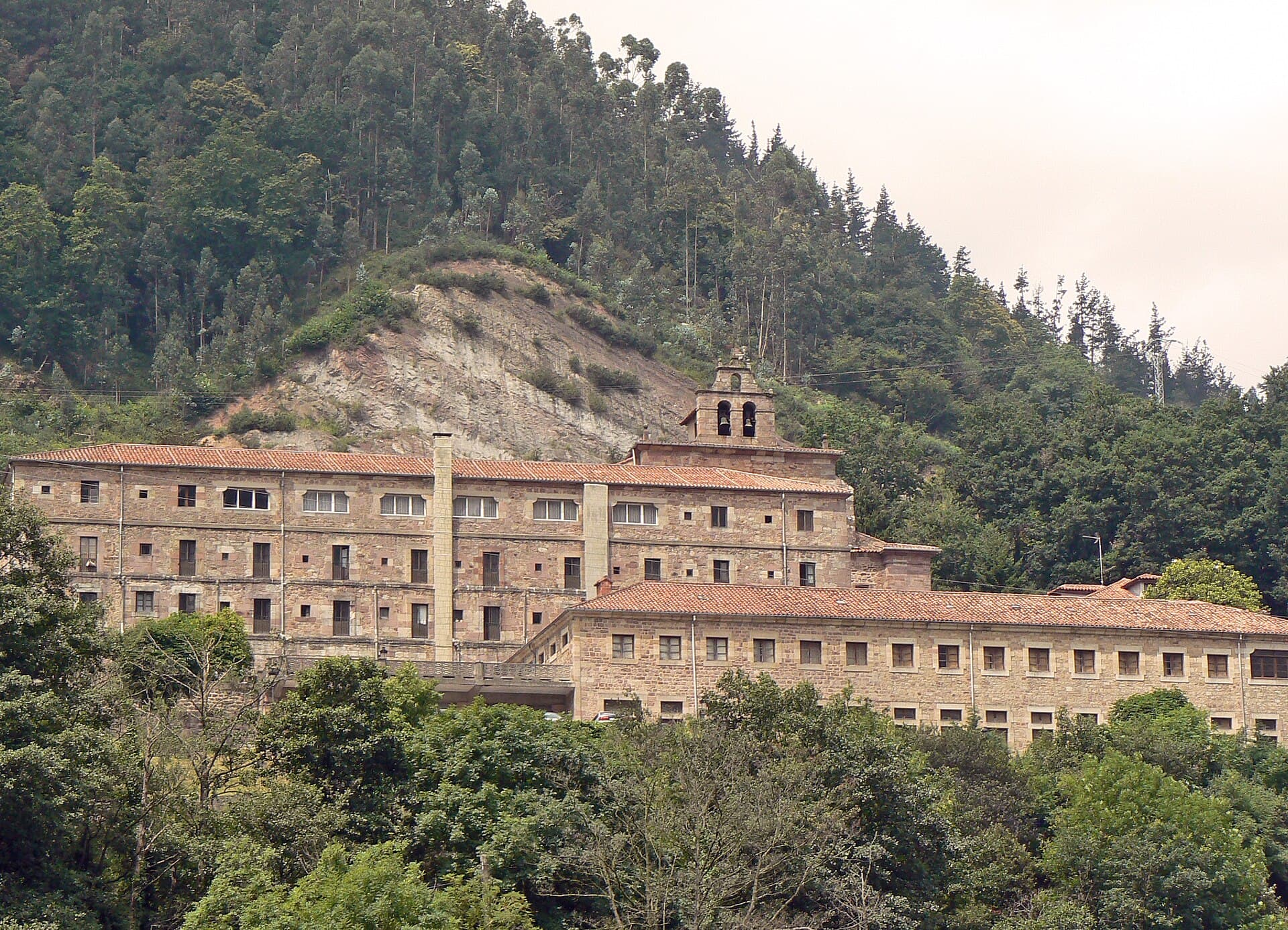
Sanctuary of Nuestra Señora de Las Caldas: Cantabria’s Historic Pilgrimage Site
Explore the Sanctuary of Nuestra Señora de Las Caldas, a centuries-old Marian shrine set amid the green valleys of Los…
11 November 2026
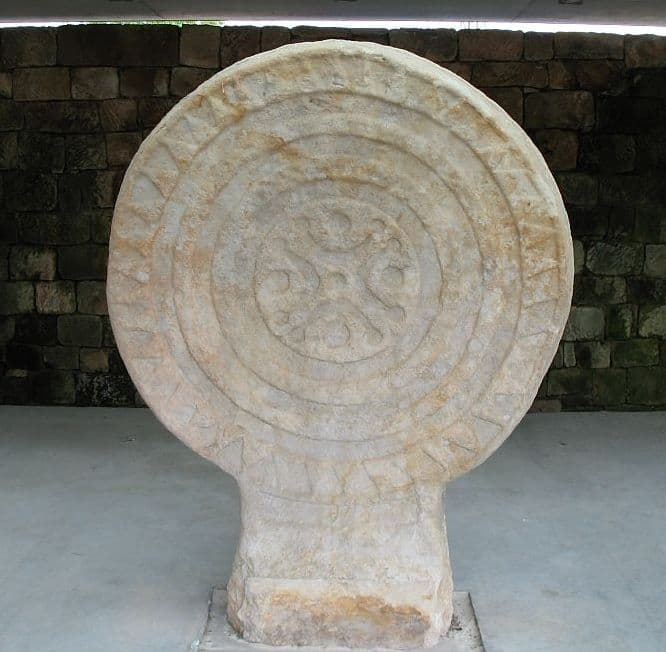
A towering ancient stele carved with warrior motifs offers a rare window into Bronze Age and Iron Age life in northern Spain.
Standing several metres tall in the rolling countryside of Los Corrales de Buelna, the Giant Stele is one of the largest prehistoric monuments in Cantabria. Carved from local sandstone, its surface displays concentric circles, weapons and human figures that scholars link to late Bronze Age and early Iron Age communities. The stele’s scale and detailed iconography set it apart from smaller stelae found elsewhere in the region and make it a focal point for understanding ritual or territorial practices of the time.
Archaeologists date the monument to roughly the first millennium BCE. Its motifs echo those on stelae from the Duero valley and the Pyrenees, suggesting cultural exchange across the Cantabrian mountains. The figure of a warrior holding a shield and sword is especially clear, hinting at the social importance of martial imagery. Because the stone has remained in situ, visitors experience the monument in the same landscape its creators knew, framed by the Besaya river valley and the foothills of the Cantabrian range.
The stele itself dominates a small, fenced clearing. Walk around its base to appreciate the full height and the weathering patterns that reveal different carving depths. Informative panels (in Spanish and English) explain the symbols without overwhelming the visitor. Adjacent paths lead to low earthworks that may mark an associated settlement or ceremonial area; these subtle features reward careful observation rather than dramatic ruins.
Los Corrales de Buelna lies roughly 30 km south of Santander on the A-67 motorway. From the town centre, local roads lead directly to the archaeological site, which is signposted. The terrain is gently sloping grassland; sturdy shoes are advisable after rain. Public buses run between Santander and Los Corrales, though the final kilometre is best covered by taxi or on foot. Parking is available in a small lay-by beside the access track.
Spring and early autumn offer mild weather and fewer midges than summer. Winter visits are possible but can be cold and wet; the stele remains visible year-round. Combine the visit with the Romanesque church of Santa María in nearby Barros or the Iron Age hillfort of Monte Bernorio, both within a 20-minute drive. The broader Besaya valley also contains several other prehistoric rock-art sites that together form a coherent day itinerary for archaeology enthusiasts.
Most visitors spend 30 to 45 minutes at the monument itself; allow an extra hour if you explore the surrounding paths and information panels.
Yes, the short walk and open space make it family-friendly, though parents should supervise near the fence and any uneven ground.
The immediate site has none; the nearest cafu00e9s and restrooms are in Los Corrales de Buelna town centre, five minutes by car.
Personal photography is permitted; commercial or drone use requires prior permission from regional heritage authorities.
The approach path is mostly level grass; wheelchairs may manage in dry conditions, but assistance is recommended after rain.
Keep reading
Explore the Sanctuary of Nuestra Señora de Las Caldas, a centuries-old Marian shrine set amid the green valleys of Los…