Why the El Greco Museum Matters
El Greco arrived in Toledo in 1577 and remained there until his death in 1614, producing the elongated figures and dramatic light that define Spanish Renaissance painting. The museum occupies a restored 16th-century house and garden in the former Jewish quarter, offering visitors the chance to see how the city’s narrow streets, steep hills, and changing skies influenced his work.
What to See Inside
The collection includes several paintings by El Greco and his workshop, notably versions of “Saint Peter” and “Saint Francis,” alongside works by his followers that show how his style was carried forward. The recreated studio and period furnishings give a tangible sense of the modest yet cultivated life the artist led. A small garden with cypress trees and views toward the Tagus River echoes the atmospheric backgrounds in his landscapes.
The House and Garden
Original architectural details such as wooden ceilings and tiled floors have been preserved, while the garden demonstrates the kind of enclosed outdoor space El Greco would have known. The layout helps visitors understand the intimate scale at which he worked.
Getting There
Toledo’s historic center is compact. High-speed trains from Madrid reach the city in roughly thirty minutes; from the station a short uphill walk or local bus leads directly into the old quarter. Once inside the walls, clear signage and the compact street grid make the museum easy to locate on foot.
Best Time to Visit
Spring and autumn bring mild temperatures ideal for wandering the hilly streets before or after the visit. Summer heat can make midday exploration tiring, while winter offers fewer crowds and the chance to see the city under the same dramatic skies that appear in El Greco’s paintings.
Nearby Sights Worth Combining
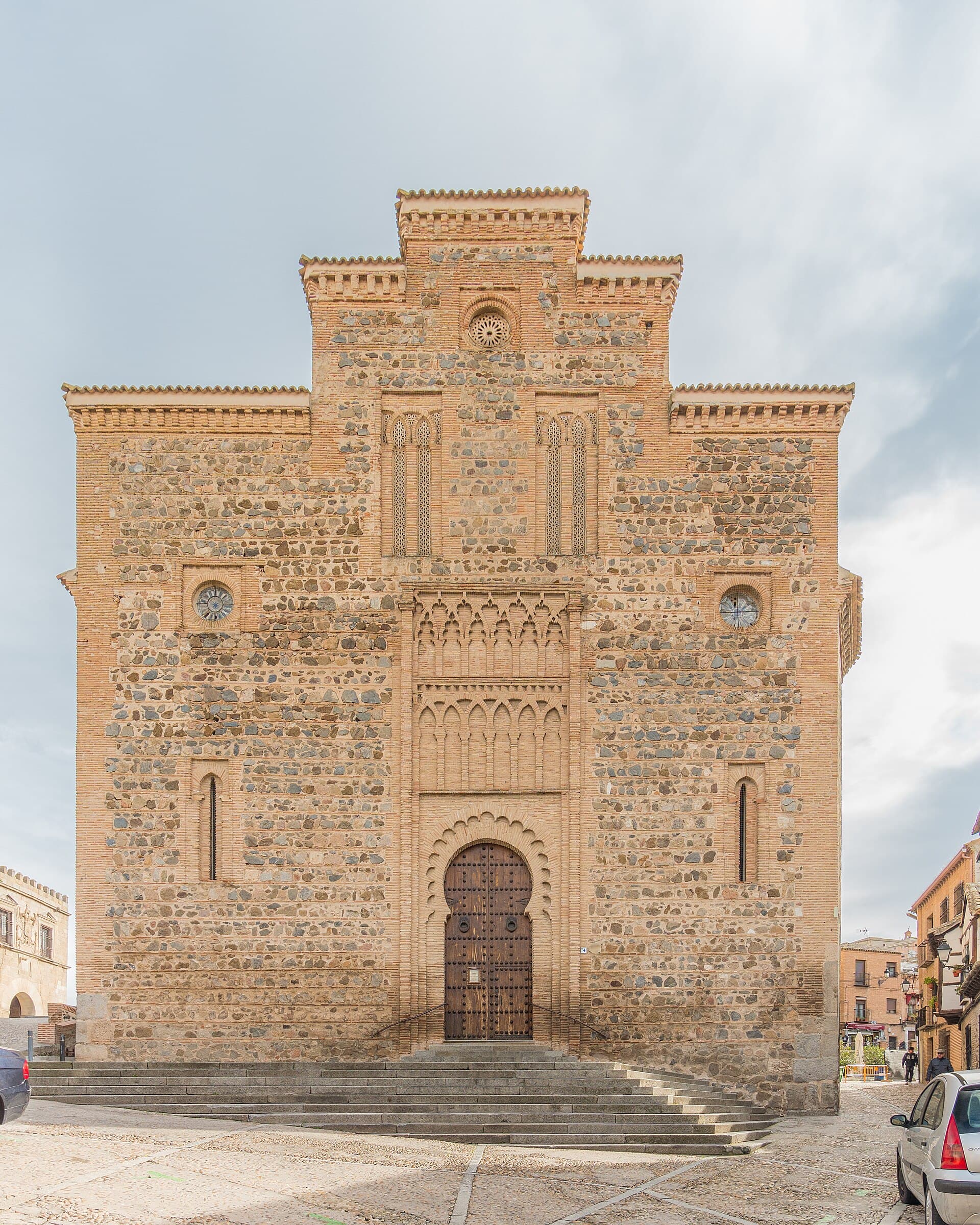
The museum sits steps from the Synagogue of El Tránsito and the Sephardic Museum, allowing a natural pairing of art and medieval Jewish heritage. A short walk farther reaches Toledo Cathedral and the Alcázar, creating a compact half-day itinerary focused on the city’s layered history.