
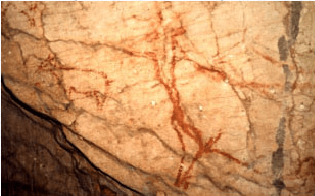
The Cave of Niño: Prehistoric Rock Art in Aýna, Spain
Step into a Paleolithic sanctuary revealing ancient human creativity amid the rugged landscapes of Castile–La Mancha.
Why Visit the Cave of Niño
The Cave of Niño stands out as one of Spain’s most important Paleolithic art sites, located in the municipality of Aýna within the Sierra de Alcaraz. Its walls preserve paintings and engravings created by hunter-gatherers thousands of years ago, offering direct insight into early symbolic expression in the Iberian Peninsula. The cave’s setting in a narrow valley of limestone cliffs adds dramatic natural beauty to the archaeological experience.
Prehistoric Art and Significance
Inside the cave, visitors encounter red ochre paintings depicting animals such as horses, deer, and goats alongside abstract signs and hand stencils. These motifs date primarily to the Upper Paleolithic period and demonstrate sophisticated use of natural rock contours to enhance the images. Archaeologists consider the site a key reference point for understanding artistic traditions across eastern Spain, distinct from the better-known Cantabrian caves yet equally valuable for regional studies.
Geological Context
The cave formed through karst processes in the region’s Jurassic limestone, creating chambers and narrow passages that have remained stable over millennia. Natural light reaches only the entrance area, so the deeper painted zones rely on artificial illumination that highlights the contrast between the artwork and the surrounding rock.
Planning Your Visit
Access begins in the village of Aýna, from which a short trail leads uphill to the cave entrance. The path involves moderate elevation gain and uneven limestone surfaces, making comfortable walking shoes essential. Guided tours typically focus on the main gallery, allowing time to appreciate the scale and detail of the paintings without disturbing the fragile surfaces.
Best Time to Visit
Spring and autumn provide the most comfortable conditions, with mild temperatures and lower humidity that protect both visitors and the site. Summer visits are possible but require preparation for heat on the approach trail, while winter can bring slippery conditions after rain.
Getting There and Nearby Attractions
Aýna lies roughly halfway between Albacete and the Murcia region along the CM-3215 road. Travelers arriving by car can park near the village center and walk the remaining distance. Public transport reaches Aýna infrequently, so renting a vehicle offers the most flexibility for combining the cave with other stops.
Within a short drive are the medieval castle ruins of Yeste and the scenic gorge of the Mundo River, both offering complementary views of the region’s natural and historic layers. The broader Sierra de Alcaraz natural area provides hiking routes that extend the day into longer outdoor exploration.
Visitor tips
- Wear sturdy shoes with good grip for the rocky trail and cave floor.
- Carry water and sun protection, as the approach from Au00fdna has little shade.
- Respect all barriers and lighting restrictions to help preserve the prehistoric paintings.
Frequently asked questions
How long does a typical visit to the Cave of Niu00f1o take?
Most guided visits last about 45 to 60 minutes, including the walk from the parking area and time spent viewing the main painted chambers.
Is the cave suitable for children?
The site welcomes families, though the uneven path and low lighting inside require close supervision of younger children.
Can I take photographs inside the cave?
Photography is generally permitted without flash; always confirm current rules on site to avoid damaging the sensitive pigments.
What should I do if I have mobility limitations?
The trail includes slopes and steps; visitors with limited mobility should check accessibility details in advance and consider whether the terrain is manageable.
Are there other caves or prehistoric sites nearby?
Yes, the surrounding Albacete province contains additional rock-shelter art locations that can be combined into a multi-site itinerary.