Why the Canarian Museum Matters
The Canarian Museum stands as the definitive repository for the pre-Hispanic history of Gran Canaria and the wider archipelago. Its collections focus on the Guanche people who settled the islands centuries before European contact, offering tangible evidence of their engineering, farming, and burial practices. Visitors gain a clear picture of how these communities adapted to volcanic terrain and isolated island life, making the museum an essential stop for anyone seeking depth beyond beaches and modern resorts.
What to See and Do
The permanent galleries are arranged thematically. The archaeology wing displays pottery, stone tools, and the famous painted cave reproductions that illustrate Guanche symbolic art. A dedicated room presents preserved mummies and skeletal remains, accompanied by clear explanations of mummification techniques and social structures. Ethnographic sections reconstruct traditional dwellings and show agricultural implements, clothing fragments, and trade objects. Temporary exhibitions often highlight recent excavations or conservation projects, adding timely context without overshadowing the core collection. Allow at least two hours to move through the rooms at a measured pace.
Getting There
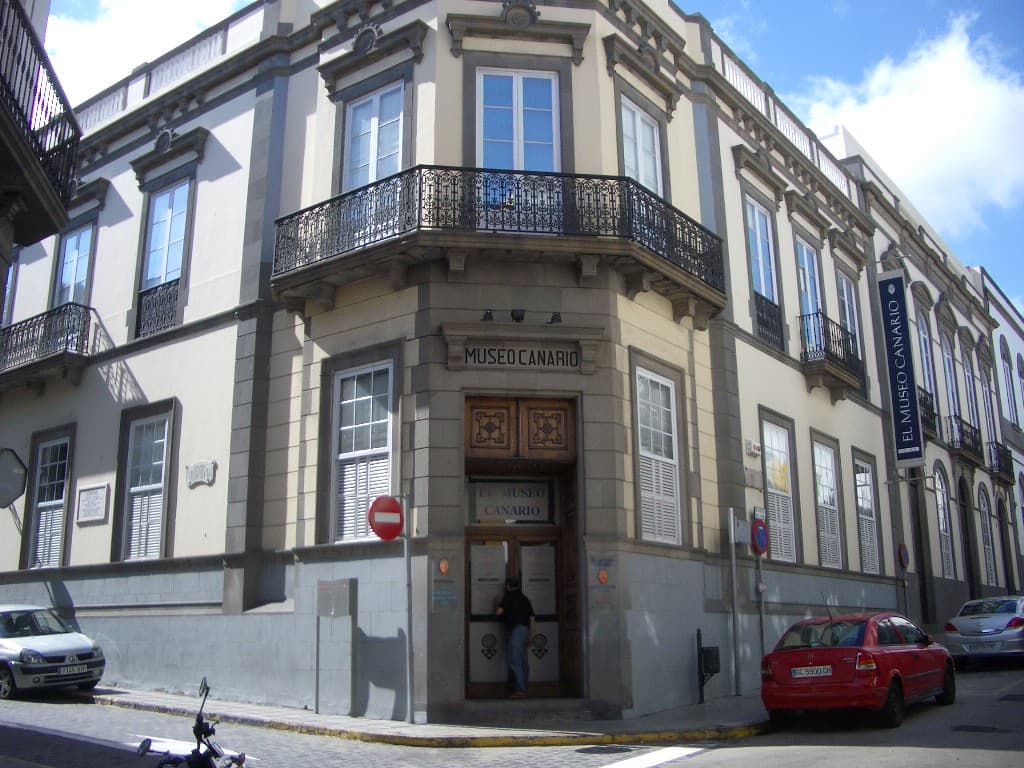
The museum occupies a restored 19th-century building in the Vegueta district, the oldest quarter of Las Palmas. It lies within easy walking distance of the cathedral and the narrow streets lined with colonial houses. Public buses serving the old town stop nearby; drivers can use the limited on-street parking in the surrounding pedestrian-priority zone or larger lots a short walk away. The location encourages combining a visit with exploration of Vegueta’s plazas and shaded courtyards.
Best Time to Visit
Gran Canaria’s mild year-round climate makes the museum comfortable in any season, yet spring and autumn bring fewer crowds and pleasant temperatures for walking between nearby sites. Mornings tend to be quieter, allowing more time with the displays before tour groups arrive. The permanent collection remains consistent, so repeat visitors can focus on any new temporary shows.
Nearby Attractions
After touring the museum, continue to Casa de Colón to learn about the islands’ role in Atlantic exploration, or climb the bell tower of Santa Ana Cathedral for views over the port. The adjacent Plaza de Santa Ana and the narrow streets of Triana offer cafés and small shops where local products are sold. A short bus or taxi ride reaches the waterfront promenade and the modern city center if you wish to contrast historic Vegueta with contemporary Las Palmas.