
Terina: Exploring Calabria’s Ancient Greek Archaeological Treasure
Wander the evocative ruins of Terina, a 6th-century BC colony of Croton that once thrived on the fertile plain near modern Lamezia Terme.
Discovering Terina’s Enduring Legacy
Founded by settlers from Croton in the sixth century BC, Terina occupied a strategic position on the Calabrian coast where the sea met rich agricultural land. The city minted distinctive silver coins featuring a nymph and became known for its cultural refinement before fading into obscurity after Roman conquest. Today the archaeological area preserves the quiet footprint of that vanished Greek world amid olive groves and low hills.
What Visitors Will See
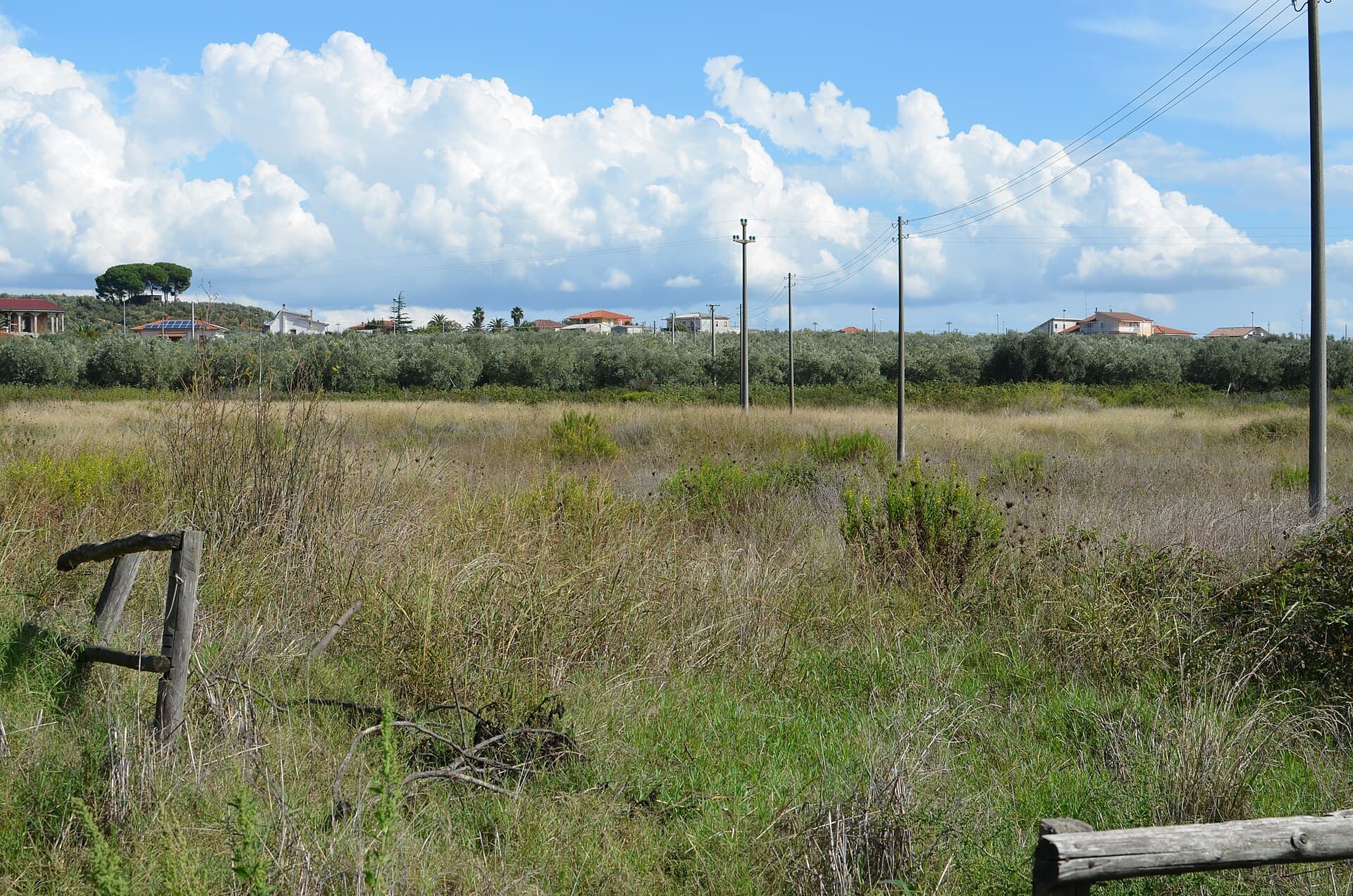
Low sections of the ancient city walls, built from local stone, trace the original defensive perimeter. Scattered foundations mark public buildings and private houses, while a necropolis area reveals tomb structures that speak to burial customs of Magna Graecia. Informative panels on site explain the urban layout without overwhelming the landscape. The setting itself—open fields framed by distant mountains—conveys the scale of the ancient settlement better than any reconstruction.
Practical Layout of the Site
- Follow the marked paths that circle the main excavated zones in roughly thirty minutes at a relaxed pace.
- Look for the visible stretch of fortifications on the eastern side, the clearest surviving feature.
- Allow extra time to photograph the panoramic views toward the Tyrrhenian Sea.
Getting There and Getting Around
Terina lies a short drive inland from Lamezia Terme, easily reached by regional train to the city station followed by a local bus or taxi. Renting a car provides the most flexibility for combining the site with nearby coastal stops. Parking is available near the entrance path. The terrain is largely flat, though the ground can be uneven after rain, so sturdy footwear is advisable.
Best Time to Visit
Early spring and late autumn deliver mild temperatures and fewer visitors, allowing quiet contemplation among the ruins. Summer brings intense heat and occasional mosquitoes; winter visits are possible but may encounter muddy paths after storms. The surrounding countryside is especially attractive in May when wildflowers bloom.
Combining Terina with Other Calabria Highlights
The archaeological park sits within easy reach of the Norman-Swabian castle in Lamezia Terme and the beaches of the Costa degli Dei. Travelers often pair a morning at Terina with an afternoon exploring the ancient Greek temples at Locri or the medieval hill town of Tropea. Regional wines and citrus groves provide further incentive to linger in the area.
Visitor tips
- Wear sturdy shoes and bring water; the site has limited shade and the paths are unpaved.
- Visit early in the day to avoid the midday sun and enjoy softer light for photography.
- Pair the visit with a stop at Lamezia Termeu2019s archaeological museum to see artifacts recovered from Terina.
Frequently asked questions
Where exactly is the Terina archaeological site located?
The ruins lie a few kilometers inland from Lamezia Terme in Calabria, Italy, on a low plain between the sea and the foothills.
What can I expect to see at Terina?
Visitors will find sections of ancient Greek city walls, scattered building foundations, and traces of a necropolis set in an open rural landscape.
How long should I plan to spend at the site?
Most people spend 45 to 90 minutes walking the marked paths and reading the interpretive panels.
Is Terina suitable for children or people with limited mobility?
The terrain is mostly flat but uneven; the site is best for those comfortable with gentle walking on grass and gravel.
What else is worth seeing nearby?
Combine Terina with the castle and museum in Lamezia Terme, the beaches west of the city, or the Greek ruins at Locri further south.