
Keep reading
Nearby & related
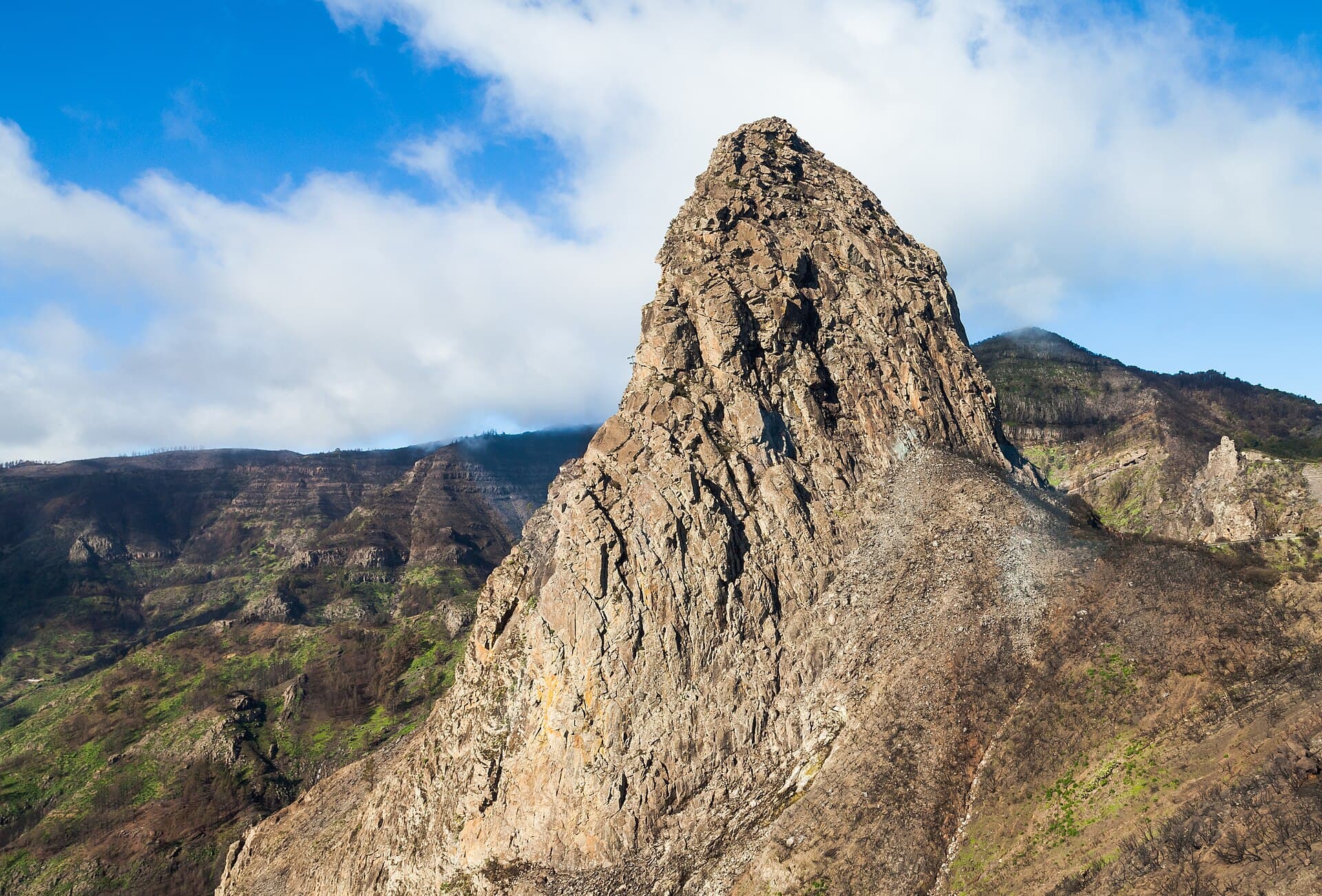
Garajonay National Park: Hiking La Gomera’s Ancient Laurel Forests
A UNESCO-listed realm of misty laurel woodland and volcanic ridges on the island of La Gomera.
31 October 2026
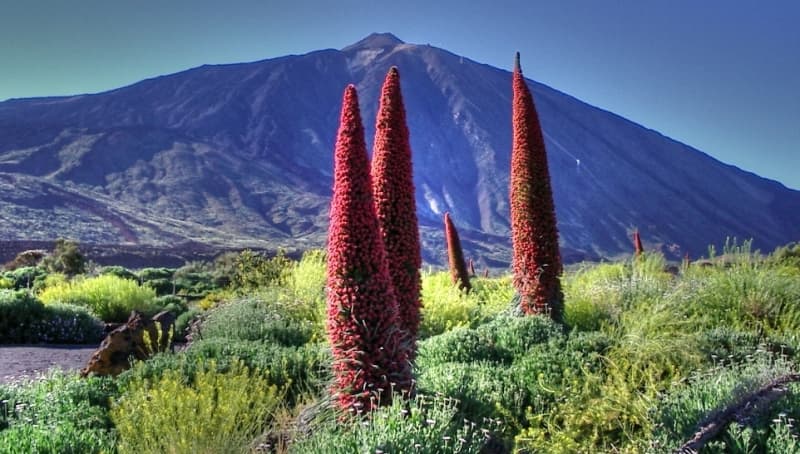
Spain's highest peak and a UNESCO site offering dramatic hikes, cable-car rides, and stargazing on Tenerife.
Teide National Park protects the massive stratovolcano Mount Teide, which rises 3,718 meters above sea level and forms the highest point in Spain. Its vast caldera, solidified lava flows, and rock formations create a stark, otherworldly terrain that feels closer to the moon than the Mediterranean. The park shelters rare endemic species such as the Teide violet and blue chaffinch, while its altitude and dry air produce some of Europe’s clearest night skies for astronomy.
Most visitors arrive via Tenerife South Airport (TFS). A rental car provides the most flexibility for exploring trailheads and viewpoints; the TF-21 road climbs directly into the park from the south coast in about 45 minutes. Public buses run from Playa de las Américas and Puerto de la Cruz to the base of the cable car, though schedules are limited. From the north, the TF-24 offers scenic views through pine forests before entering the volcanic zone.
Spring (April–June) and autumn (September–November) bring mild temperatures and fewer crowds. Summer days can exceed 30 °C at lower elevations, while winter often brings snow near the summit, occasionally closing the cable car. Early morning visits avoid both heat and tour-bus groups; sunset and night visits are ideal for stargazing when the park offers guided astronomy sessions.
The Teleférico del Teide whisks visitors from 2,356 m to 3,555 m in eight minutes. From the upper station, a short trail leads to the Mirador de la Fortaleza with sweeping caldera views. Permits are required for the final scramble to the true summit; these are issued free online in advance.
The park’s high altitude and minimal light pollution make it one of the world’s premier stargazing sites. Several companies offer telescope sessions; bring warm layers as temperatures drop sharply after dark.
After descending, continue to the historic town of La Orotava with its colonial architecture and banana plantations. The black-sand beaches of Playa de las Américas lie 45 minutes south, while the laurel forests of Anaga Rural Park reward drivers willing to tackle winding roads on Tenerife’s northeastern tip.
Keep reading
A UNESCO-listed realm of misty laurel woodland and volcanic ridges on the island of La Gomera.
Yes, free permits are required for the final section above the cable-car station and must be requested online in advance.
Allow 45u201360 minutes via the TF-21 road, depending on traffic and stops at viewpoints.
The cable-car ride and short paved paths around Roques de Garcu00eda are family-friendly; longer hikes require good fitness and proper footwear.
Yes, but snow may close the cable car and summit trails; check conditions and bring warm, waterproof clothing.
Limited cafu00e9s operate near the cable-car base and Parador hotel; visitors should bring snacks and water for trails.