
Taketoyo Town History and Folklore Museum: Uncovering Aichi’s Coastal Heritage
Explore the enduring stories, artifacts, and traditions of Taketoyo at this focused local museum in Aichi Prefecture.
Discovering Taketoyo’s Past
The Taketoyo Town History and Folklore Museum preserves the everyday and extraordinary history of a coastal community on the Chita Peninsula. Visitors gain insight into fishing villages, seasonal festivals, and the interplay between land and sea that shaped local identity for centuries.
Key Exhibits and Themes
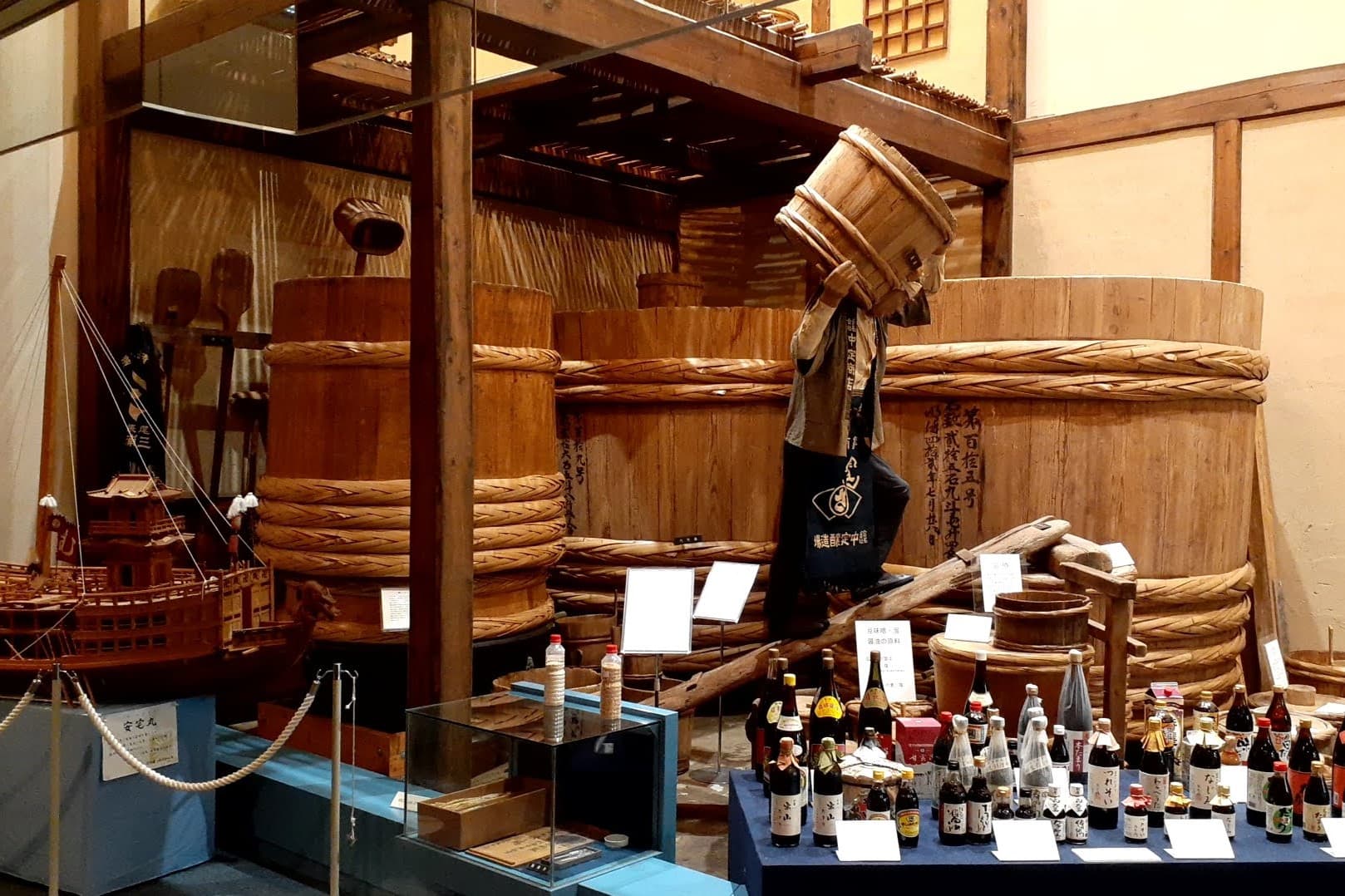
Permanent displays highlight traditional tools used in Ise Bay fishing, reconstructed household interiors from the Edo and Meiji periods, and folk crafts such as bamboo weaving and indigo dyeing. Rotating exhibits often feature local festivals, including portable shrine processions and New Year rituals still practiced today. The folklore section presents oral histories and legends tied to the region’s waterways and seasonal winds.
Planning Your Visit
Allow at least ninety minutes to move through the galleries at a thoughtful pace. The compact layout rewards close attention to details such as handwritten ledgers and hand-carved boat models. English summaries are limited, so carrying a translation app helps with longer panels. Photography is permitted in most areas without flash.
Getting There
Taketoyo Station on the JR Taketoyo Line provides the simplest access; the museum lies within walking distance of the station. Those arriving by car will find parking nearby. The surrounding streets retain a quiet residential character, making a short stroll before or after the visit worthwhile for observing traditional tiled roofs and narrow lanes.
Best Time to Visit and Nearby Attractions
Weekdays outside school holidays offer the calmest experience. Spring and autumn bring comfortable temperatures for combining the museum with walks along the nearby waterfront or visits to local shrines. The broader Chita Peninsula offers additional stops such as historic temples and sake breweries that complement the museum’s focus on regional life.
Visitor tips
- Pair the museum with a walk through Taketoyou2019s older residential streets to see living examples of the architecture shown inside.
- Visit on a weekday morning to enjoy quieter galleries and more time to examine smaller artifacts without crowds.
- Bring a small notebook; many panels contain detailed local terminology that rewards later research once you return home.
Frequently asked questions
How long should I plan to spend at the museum?
Most visitors find ninety minutes sufficient to view the main galleries and read the key explanatory panels.
Is the museum suitable for children?
Yes, the displays of fishing tools, model boats, and festival costumes often interest younger visitors, though the text is primarily in Japanese.
Are there English explanations available?
Limited English summaries exist for major exhibits; a translation app or guidebook is recommended for deeper reading.
Can I take photographs inside?
Photography without flash is allowed in most areas, but check signage near temporary displays.
What else is nearby worth seeing?
The local waterfront, several historic shrines, and other Chita Peninsula sites such as temples and breweries make easy additions to the same day.