
Keep reading
Nearby & related
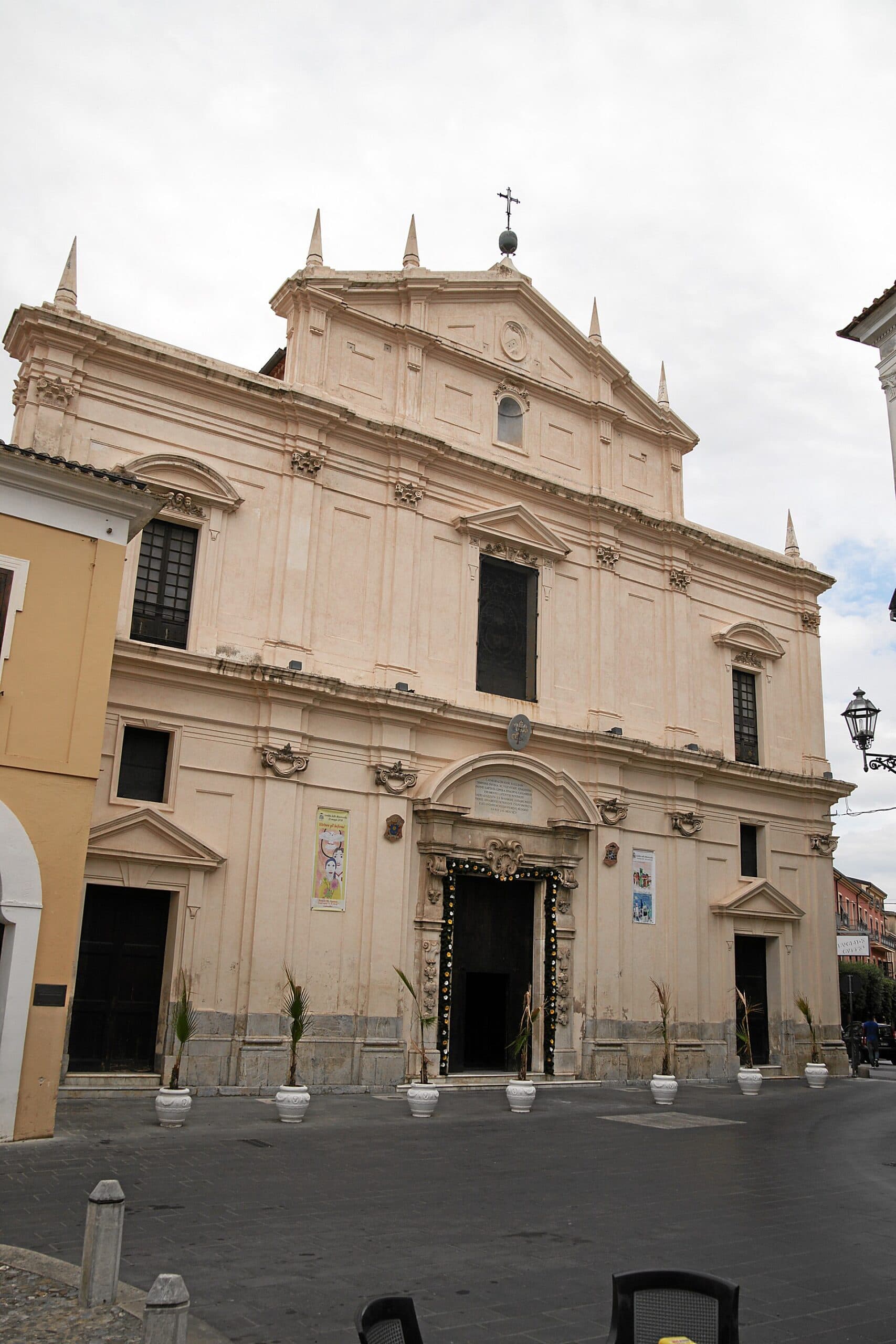
Cassano allo Ionio Cathedral: Calabria’s Ancient Diocesan Heart
Step inside this centuries-old cathedral in southern Italy to experience layered Romanesque, Byzantine, and Baroque…
18 October 2026
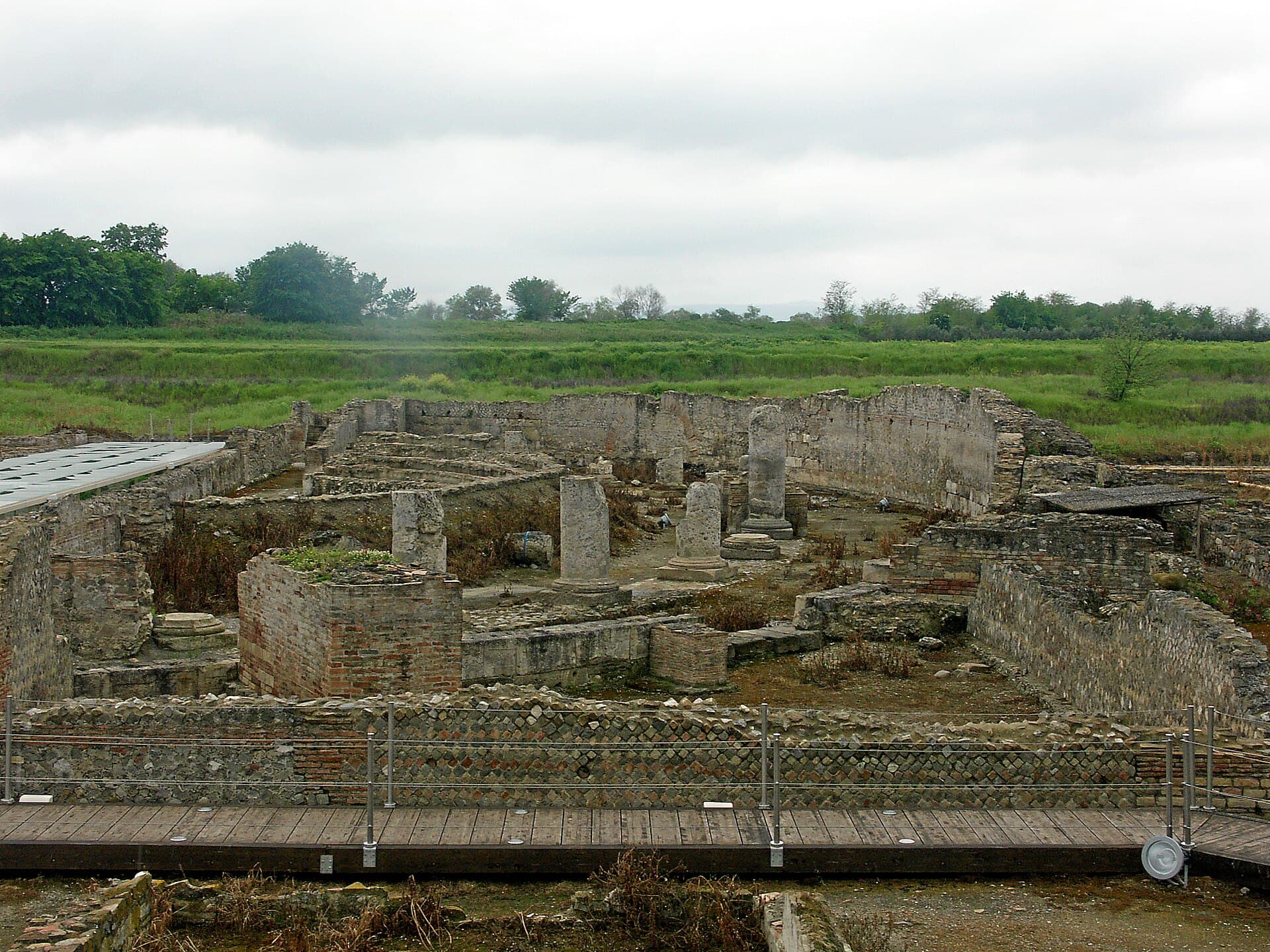
Step into the rich history of Sybaris at its dedicated museum in the heart of Calabria’s Ionian coast.
The National Archaeological Museum of Sibaritide preserves the story of Sybaris, the prosperous Greek colony founded in the 8th century BC near the Crati and Coscile rivers. Known in antiquity for its wealth and refined lifestyle, the city was destroyed in 510 BC, yet its material culture survives in the museum’s collections. Visitors encounter pottery, bronze objects, coins, and architectural fragments that reveal daily life, trade networks, and artistic achievements across Sybaris, the later colony of Thurii, and Roman Copia.
The permanent exhibition is arranged chronologically and thematically. Early rooms display geometric and Corinthian ceramics that document the city’s foundation. Later galleries focus on the Hellenistic and Roman periods, with terracotta votive offerings, marble sculptures, and mosaics recovered from the urban grid. A highlight is the reconstruction of a Roman domus floor, showing how the site evolved after the original Greek settlement. Outdoor areas beside the museum allow views toward the archaeological park where the ancient streets remain partially visible.
The museum lies just outside Cassano allo Ionio, easily reached by regional train to the Cassano station followed by a short taxi ride. Drivers can follow the SS106 coastal road and exit toward the museum signs. Spring and autumn offer the most comfortable temperatures for combining a museum visit with the adjacent archaeological area. Summer visits are possible but require sun protection and early arrival to avoid midday heat.
After exploring the museum, travelers often continue to the Parco Archeologico di Sibari to walk the excavated streets and see the remains of Roman baths. The nearby Ionian beaches provide a refreshing contrast, while the hill town of Rossano offers Byzantine frescoes and panoramic views. Further south, the Pollino National Park supplies hiking and nature escapes for those extending their stay in northern Calabria.
Unlike many larger Italian collections, this museum presents a focused narrative of one city’s rise and transformation. Its well-labeled displays and manageable size make it ideal for travelers interested in Magna Graecia without the crowds of major metropolitan sites. The surrounding landscape of fertile plains and distant mountains adds context to the ancient choice of location.
The museum concentrates on artifacts from the ancient Greek colony of Sybaris, the later city of Thurii, and Roman Copia, illustrating their history through pottery, coins, sculptures, and daily objects.
The museum sits directly beside the Parco Archeologico di Sibari, allowing visitors to explore both the indoor collections and the excavated remains in one outing.
Yes, the museumu2019s clear chronological layout and outdoor areas make it accessible for families, though younger visitors may need extra time at the nearby park for movement.
Spring (Aprilu2013June) and autumn (Septemberu2013October) provide mild weather ideal for walking the archaeological area without summer heat or winter rain.
Small cafu00e9s and restaurants operate in Cassano allo Ionio, a short distance away; many visitors bring a picnic to enjoy near the site or return to the town center.
Keep reading
Step inside this centuries-old cathedral in southern Italy to experience layered Romanesque, Byzantine, and Baroque…