
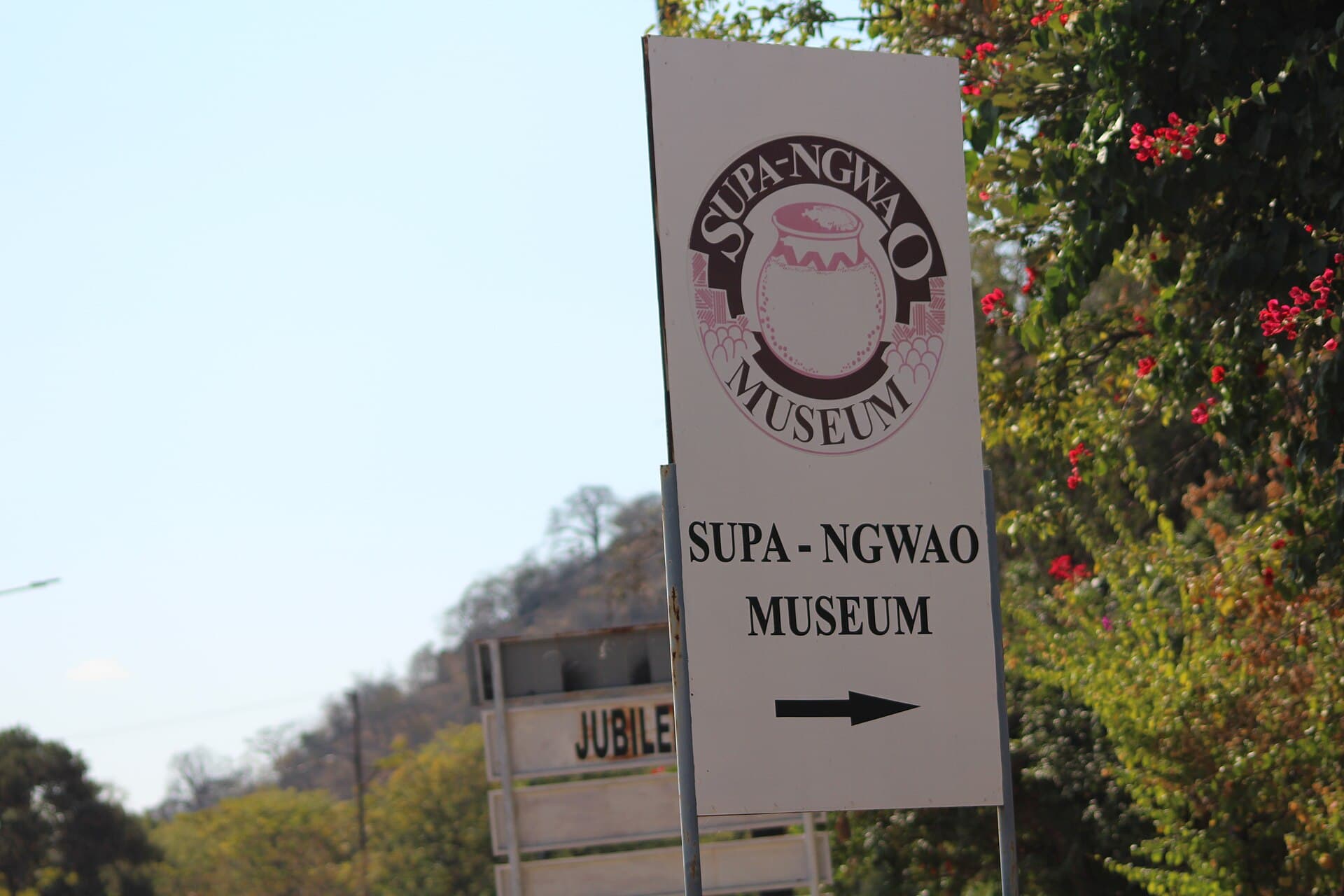
Supa Ngwao Museum: Discovering Northern Botswana’s Living Heritage in Francistown
This intimate Francistown museum preserves the traditions, crafts, and stories of Botswana's northern communities through carefully curated local collections.
Understanding the Museum’s Place in Francistown
Supa Ngwao Museum stands as a focused repository of northern Botswana’s cultural record, located in the country’s second-largest city. It emphasizes the everyday objects and historical narratives of the region rather than grand national themes, giving visitors a grounded view of how communities in the northeast have lived, traded, and adapted over generations.
What to See Inside
The displays center on traditional household items, agricultural tools, and ceremonial objects from Tswana and neighboring groups. Expect to find pottery styles specific to the Francistown area, woven baskets demonstrating regional patterns, and examples of ironwork that reflect long-standing local craftsmanship. Historical photographs and documents trace the growth of Francistown as a railway and mining hub, showing how these industries intersected with rural life. Small dioramas illustrate traditional homestead layouts and seasonal activities such as cattle herding and sorghum cultivation.
Special Collections
One section highlights the material culture of San communities who historically moved through the region, including hunting implements and beadwork. Another area addresses the impact of colonial-era infrastructure on local trade routes. The modest scale allows visitors to examine each item closely without feeling overwhelmed.
Planning Your Visit
Allow one to two hours to move through the galleries at a comfortable pace. The museum works well as a half-day activity when combined with a walk through Francistown’s central business district or a visit to nearby markets. Natural light in the main rooms makes photography straightforward, though flash is discouraged near delicate textiles.
Getting There
Francistown sits at the junction of major north-south and east-west roads, making the museum reachable by bus or private vehicle from Gaborone (roughly four hours) or Maun (roughly five hours). Once in the city, local taxis or walking routes connect the museum to the railway station and main hotels. The surrounding streets offer a mix of colonial-era buildings and modern commercial development that contextualizes the exhibits.
Best Time to Visit and Nearby Options
The cooler, drier months from May to October provide the most comfortable conditions for walking between sites. During these months, combine a museum visit with a short drive to the nearby Tati River or the Francistown Game Reserve for wildlife viewing. Southward travelers can continue to the Makgadikgadi Pans, while those heading north reach the Chobe region within a day.
Visitor tips
- Pair the museum with a stroll through Francistown's historic railway precinct to see how transport shaped the area's development.
- Ask staff about any current community craft demonstrations, which sometimes occur in the courtyard and offer direct interaction with local makers.
- Carry water and sun protection; the compact indoor spaces can still leave visitors outside briefly when moving between buildings or waiting for transport.
Frequently asked questions
How long does a typical visit take?
Most visitors spend between 60 and 90 minutes inside, though those interested in the photographic archives or specific regional crafts may stay longer.
Is the museum suitable for children?
Yes, the straightforward displays of everyday objects and tools appeal to school-age children, especially when accompanied by an adult who can relate items to daily life.
Are guided tours available?
Staff members are usually on hand to answer questions and can provide informal explanations; advance arrangements for formal group tours are best made through local tourism offices.
What languages are used in the exhibits?
Labels appear in both English and Setswana, allowing English-speaking visitors and local guests to access the same information.
Can I combine a visit with other Francistown attractions?
The museum sits near the city center, making it easy to visit alongside the railway heritage sites, local markets, and the small botanical garden within a single morning or afternoon.