Why Visit Stadtkirche Vegesack
Stadtkirche Vegesack stands as the principal Protestant church in Bremen’s northern district, built in the mid-1800s to serve the growing port community. Its location near the Weser River ties it directly to Vegesack’s shipbuilding past, making a visit rewarding for anyone interested in how faith and seafaring shaped local life.
Architecture and Interior Highlights
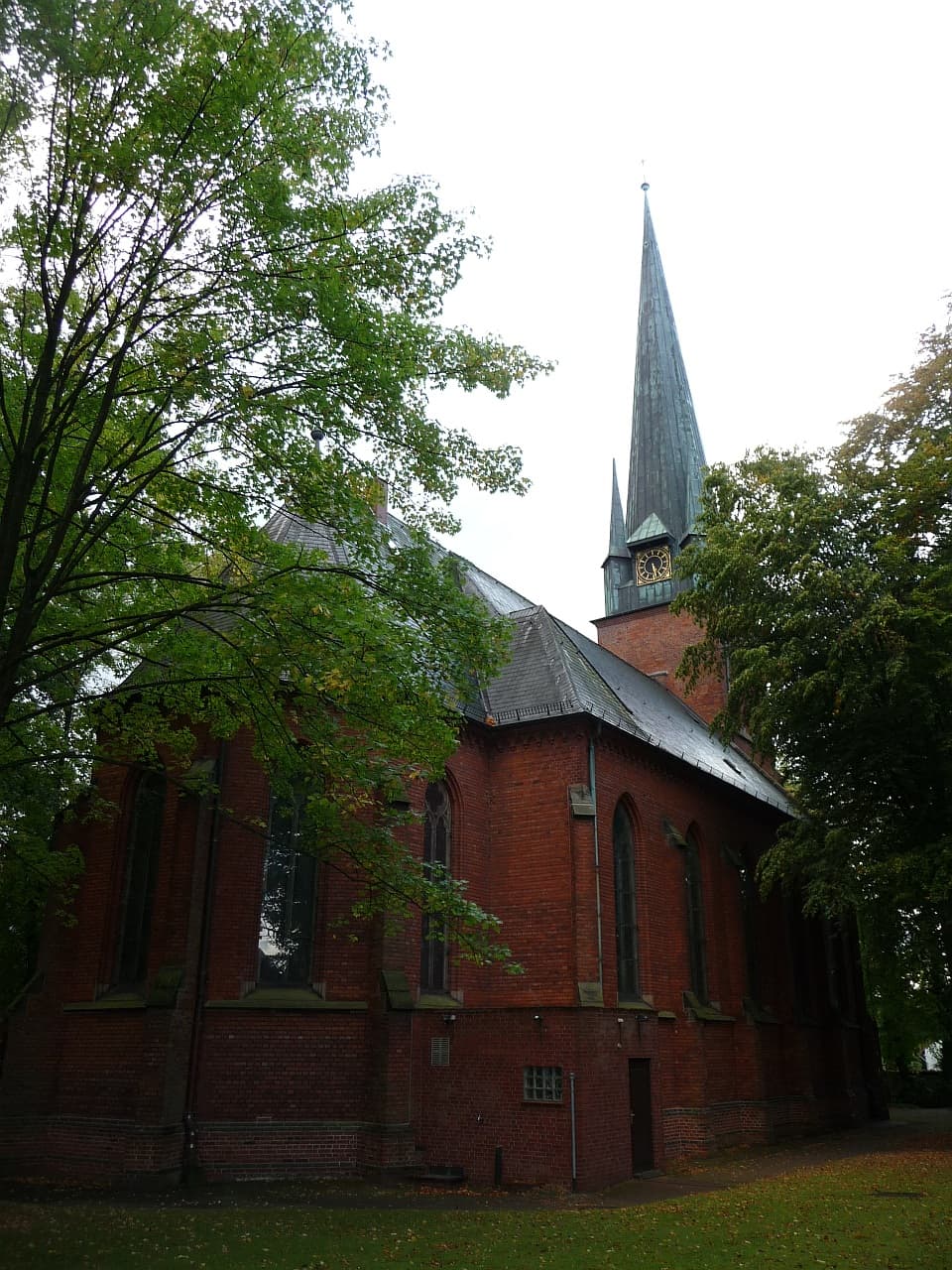
The red-brick exterior follows a restrained Gothic Revival style typical of northern German churches of the period. Inside, visitors find a light-filled nave with simple wooden pews, a carved pulpit, and an organ that still supports regular musical events. Stained-glass windows depict local maritime motifs alongside biblical scenes, offering a tangible link between the congregation and the river trade that defined the district.
Peaceful Atmosphere
Even on busy days the church remains a calm refuge. The modest scale encourages slow exploration rather than hurried sightseeing, and the surrounding churchyard provides benches overlooking the water.
Getting There
Vegesack station on the Bremen S-Bahn line sits a short walk from the church. From central Bremen, the journey takes roughly 25 minutes. Cyclists can follow the riverside path that runs the length of the district, while drivers will find limited on-street parking near the harbor. Once in Vegesack, the church is easily reached on foot from the main shopping street or the ferry landing stage.
Best Time to Visit
Spring and early autumn deliver the most comfortable weather for combining a church visit with a harbor walk. Summer months bring longer daylight and occasional outdoor concerts in the churchyard, while winter visits offer a chance to experience the building’s warm interior lighting against the often grey Weser skies.
Nearby Attractions
After leaving the church, follow the promenade to the historic Vegesack harbor basin where traditional sailing vessels are often moored. The district’s small maritime museum and the riverside beer garden provide additional stops without requiring further travel. A short ferry ride across the Weser reaches the opposite bank and its walking trails.