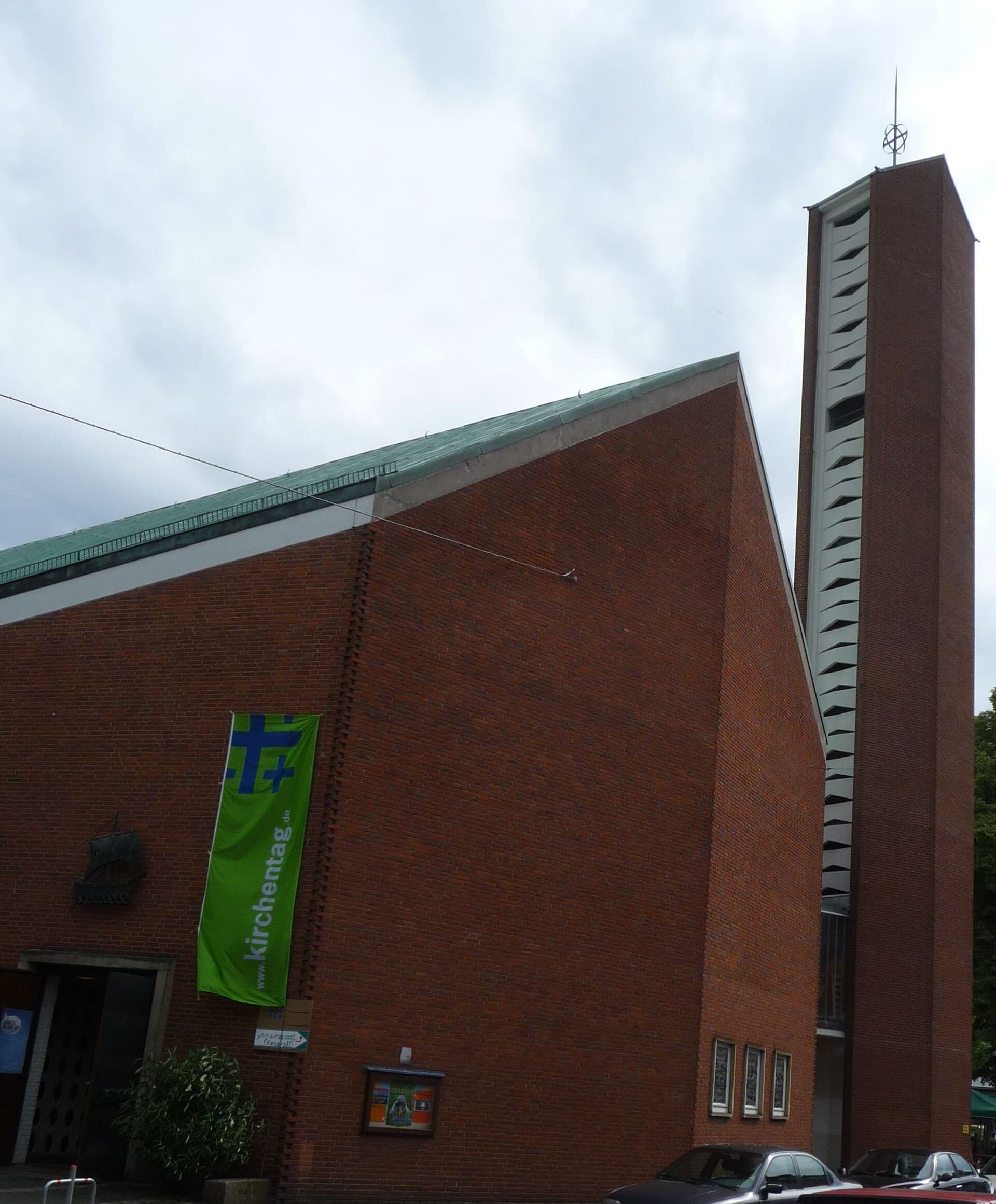
History and Architecture
Built between 1863 and 1865, St.-Pauli-Kirche stands as a fine example of neo-Gothic design in Bremen’s Neustadt district. Its red-brick exterior and pointed arches reflect the era’s revival of medieval forms, while the tall spire serves as a visible landmark from surrounding streets and the nearby Weser River.
Inside, visitors encounter a light-filled nave with slender columns, ribbed vaulting, and stained-glass windows that cast colorful patterns across the pews. The organ, installed shortly after construction, remains a focal point during occasional concerts.
What to See and Do
Take time to walk the full length of the nave and examine the carved wooden pulpit and altar details. The side chapels house memorial plaques that tell stories of local families and historical events. Outside, the small churchyard offers benches and seasonal plantings, providing a quiet spot for reflection.
Photographers appreciate the contrast between the dark brick and bright windows on sunny days; early morning light often produces the best interior shots without disturbing visitors.
Getting There
The church sits a short walk from the Neustadt tram stop on lines 1, 2, and 10. Cyclists can use the dedicated paths along the Weser and lock bikes at stands near the entrance. From Bremen Hauptbahnhof, the journey takes roughly fifteen minutes by public transport or thirty minutes on foot through the city center and across the river.
Best Time to Visit
Spring and early autumn offer mild weather ideal for combining a church visit with a riverside stroll. Weekday mornings tend to be quieter than weekends, when local events or markets sometimes occur nearby. December brings atmospheric candlelit services and a small Christmas market in the surrounding streets.
Nearby Attractions
After your visit, continue along the Weser promenade toward the Schlachte embankment for cafés and boat tours. The Übersee-Museum and the Kunsthalle Bremen lie within a twenty-minute walk, while the historic Schnoorviertel quarter offers narrow lanes and half-timbered houses just across the river.