Why Visit St.-Martini-Kirche
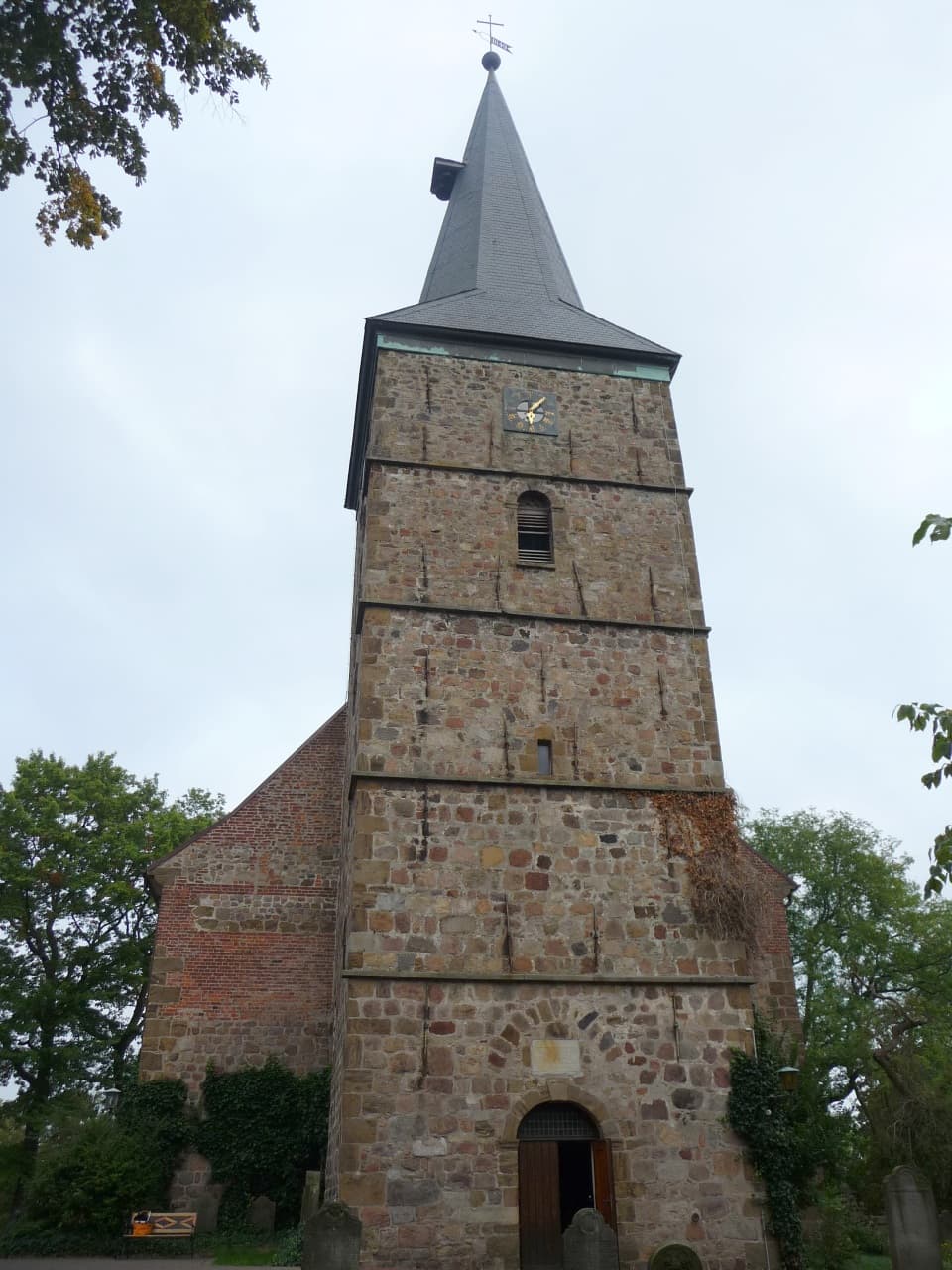
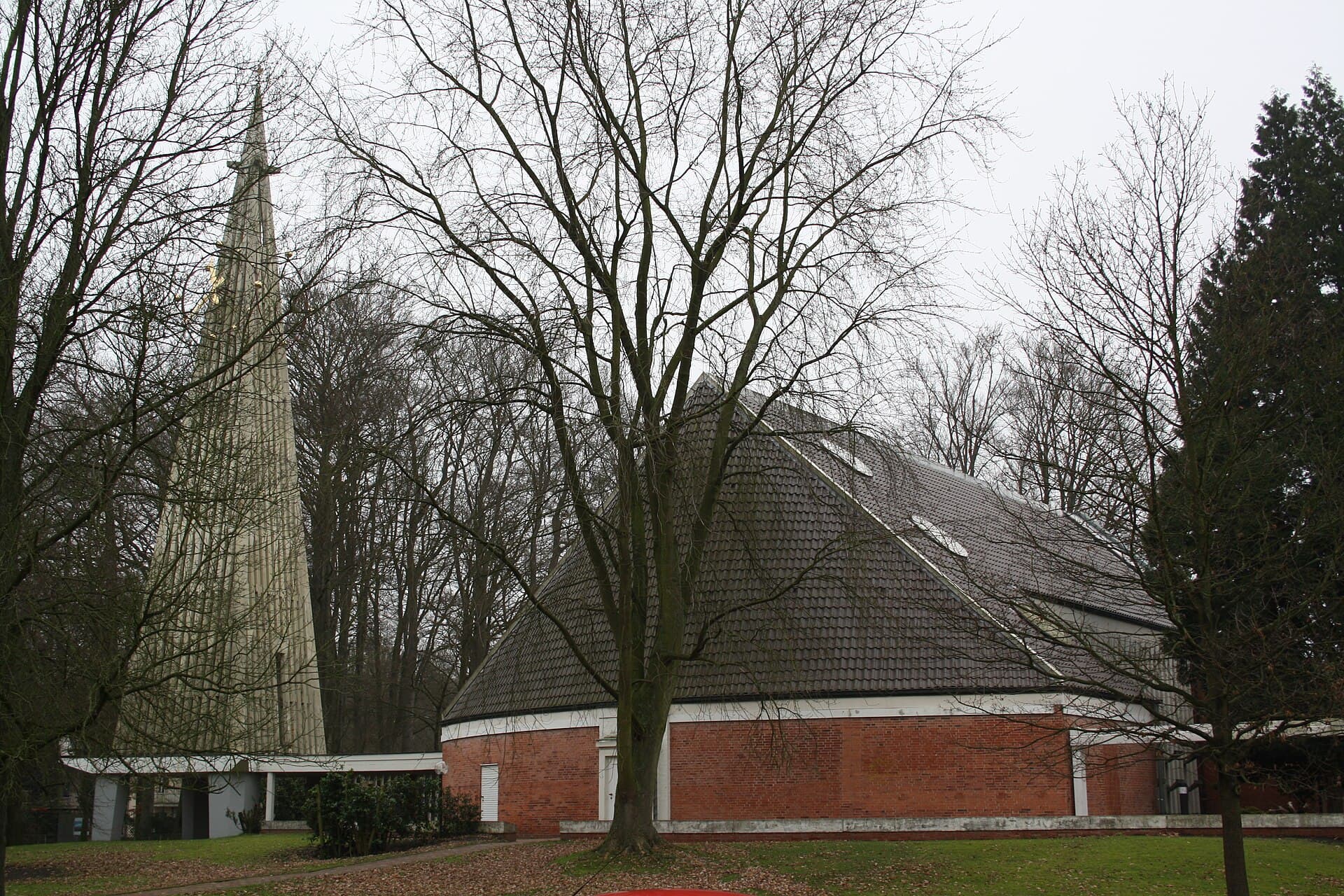
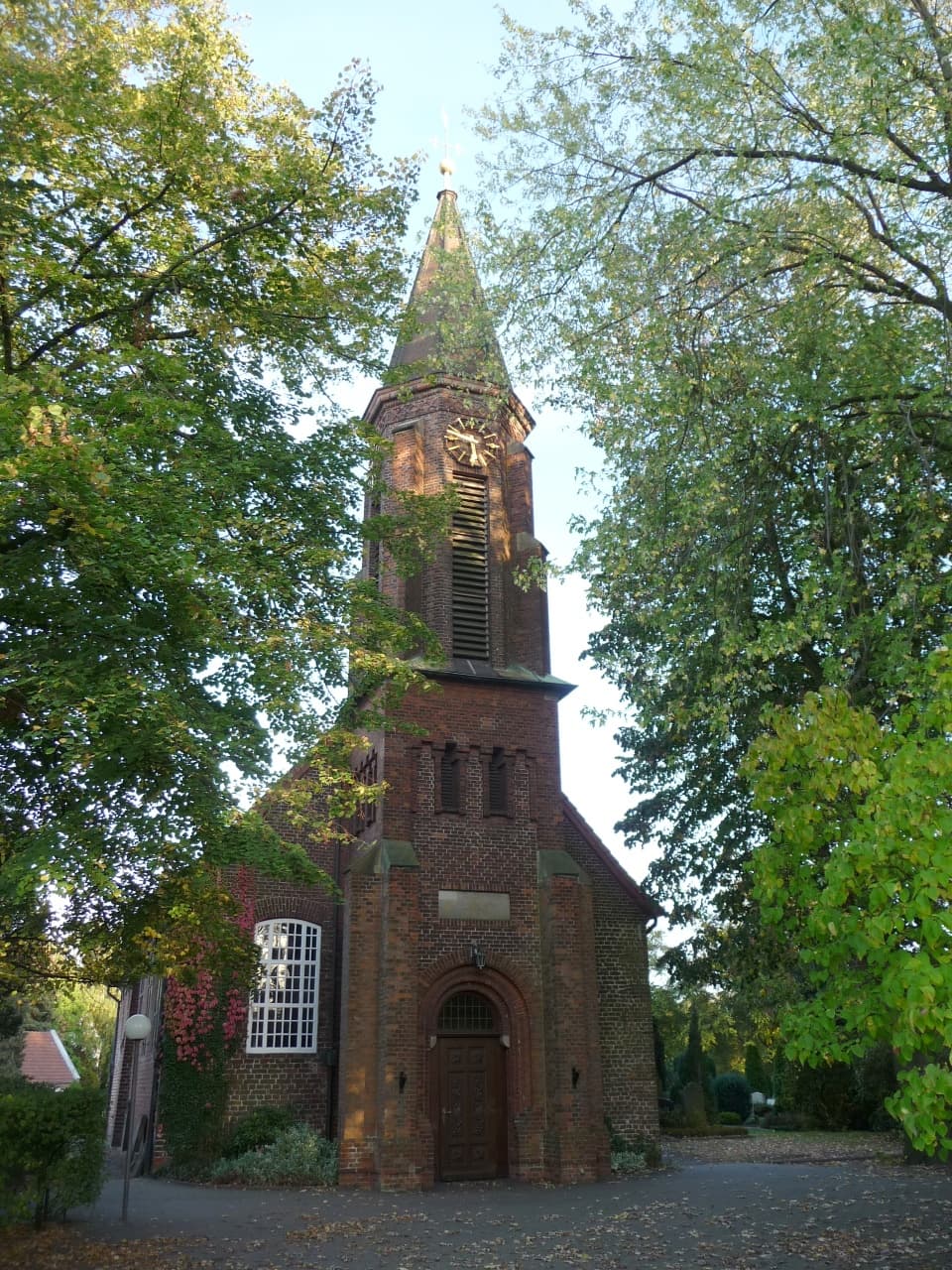
St.-Martini-Kirche stands as one of the oldest surviving religious buildings in the northern districts of Bremen. Its solid brick construction and prominent tower make it a clear landmark amid the residential streets of Burglesum. Visitors come for the calm interior, the well-preserved medieval proportions, and the sense of continuity with Bremen’s long ecclesiastical past.
Architectural Highlights
The church follows a straightforward Gothic hall design typical of northern Germany. Thick brick walls support a simple vaulted ceiling, while narrow windows allow soft light to fall across wooden pews and a modest altar area. The tower rises in clear stages, offering a visual anchor visible from surrounding roads and the nearby Lesum riverbank. Outside, the small churchyard contains older gravestones that record centuries of local families.
Interior Details Worth Noting
Inside, attention falls on the carved wooden pulpit and the clear separation between nave and chancel. Seasonal decorations sometimes appear, but the space remains uncluttered year-round. The acoustics suit small choral performances that occasionally take place here.
Getting There
Reach the church easily by public transport from Bremen city center. Trams and buses stop within a short walk, and the route passes through quiet suburban neighborhoods before arriving at the church square. Drivers can park in nearby residential streets. Cyclists appreciate the flat terrain and the option to continue along the Lesum river path after the visit.
Best Time to Visit
Spring and early autumn provide the most pleasant conditions for walking the grounds and exploring the surrounding area. Summer brings longer daylight for photographs of the tower against the sky. Winter visits offer a stark, peaceful atmosphere, though the churchyard can be damp after rain.
Nearby Attractions
After seeing the church, follow the footpath along the Lesum river for views of houseboats and meadows. The broader Burglesum district contains small parks and traditional North German homes. Many visitors combine the stop with a longer circuit that includes the waterfront promenade leading toward Vegesack harbor.