Why Visit St. Marien
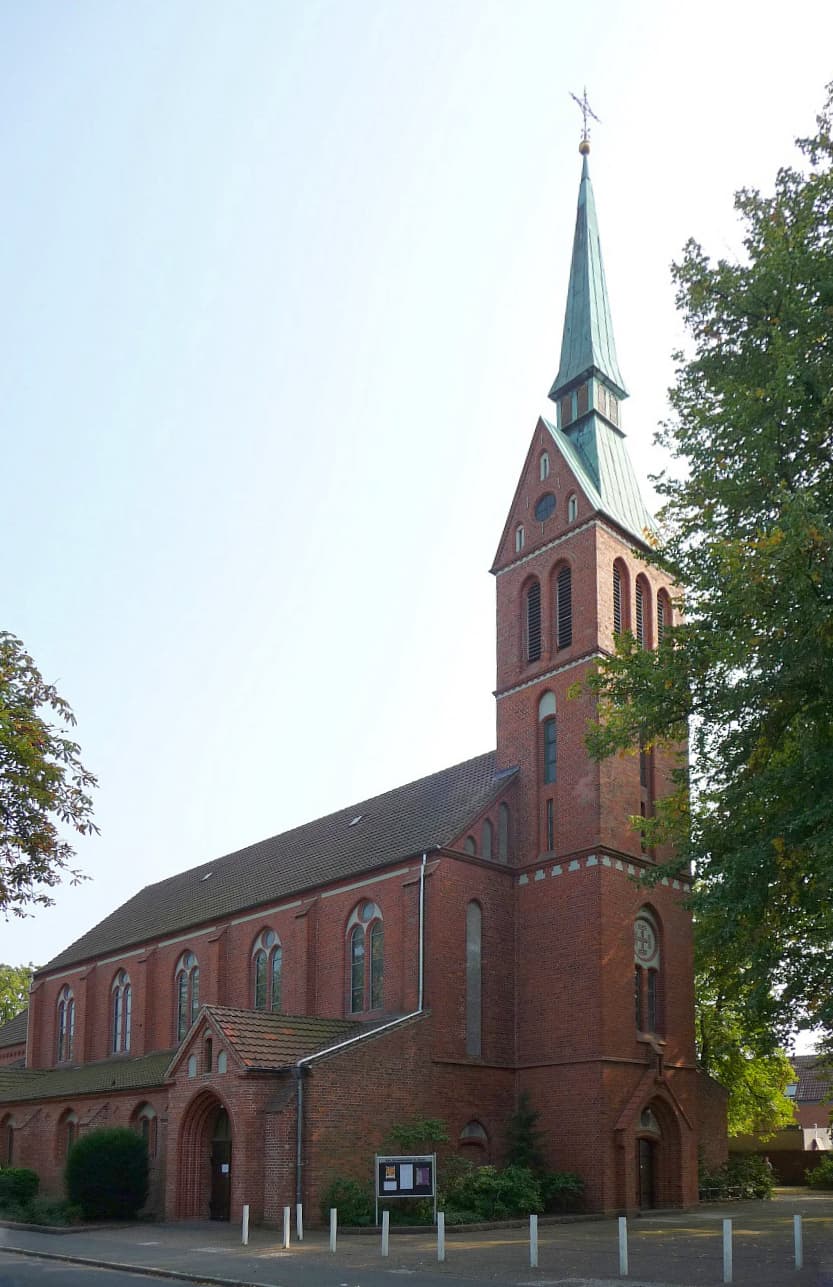
St. Marien stands as a modest yet elegant example of northern German brick Gothic architecture, offering visitors a peaceful counterpoint to Bremen’s busier landmarks. Its tall spire rises above surrounding meadows and residential streets, creating a focal point that reflects centuries of regional worship and community life.
Architectural Highlights
The church features characteristic stepped gables, narrow lancet windows, and a simple yet dignified interior with whitewashed walls and exposed timber beams. Original elements include a carved wooden pulpit and a modest altar area that emphasize craftsmanship over ornament. The nave provides excellent natural light, allowing details of the brick vaulting to stand out clearly on a sunny day.
Surroundings and Atmosphere
Outside, the churchyard contains historic gravestones and mature trees that invite quiet reflection. The setting feels rural despite proximity to urban Bremen, making it ideal for those seeking a contemplative pause during a city break.
Getting There
St. Marien lies in the northern part of the Bremen metropolitan area. Travelers from Bremen Hauptbahnhof can reach the site by regional bus or S-Bahn followed by a short walk. Drivers will find limited parking along adjacent residential streets; cycling paths from the Weser River offer a scenic alternative route through flat countryside.
Best Time to Visit
Spring and early autumn deliver the most comfortable temperatures for exploring both the interior and the churchyard. Summer months bring longer daylight for photography, while Advent season occasionally features simple candlelit services that highlight the building’s acoustics. Winter visits are possible but may be limited by shorter days and cooler interiors.
Nearby Attractions
Combine a visit with Bremen’s UNESCO-listed town hall and Roland statue in the historic center, reachable in under thirty minutes by public transport. Nature lovers can continue to the nearby Teufelsmoor wetlands or the rhododendron park in the same direction, creating a balanced day of culture and landscape.
Practical Considerations
- Respect ongoing services by entering quietly and avoiding flash photography during ceremonies.
- Allow at least forty-five minutes to appreciate both the church and its grounds.
- Check local event listings for occasional organ recitals or community open days that enhance the experience.