
Keep reading
Nearby & related
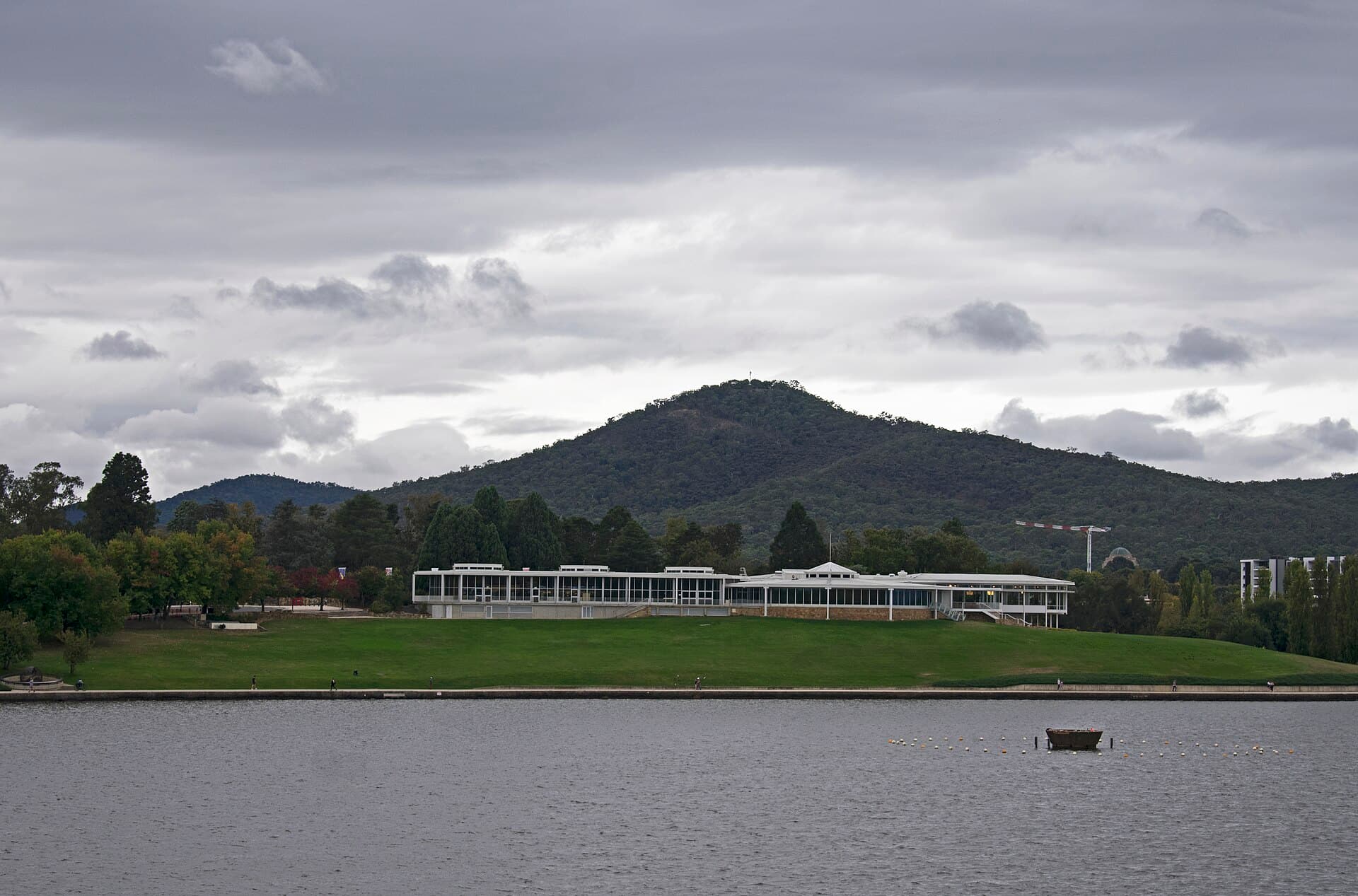
National Capital Exhibition: Uncover Canberra’s Planned Origins
Trace the vision and evolution of Australia’s purpose-built capital through engaging exhibits at this lakeside museum.
18 September 2026
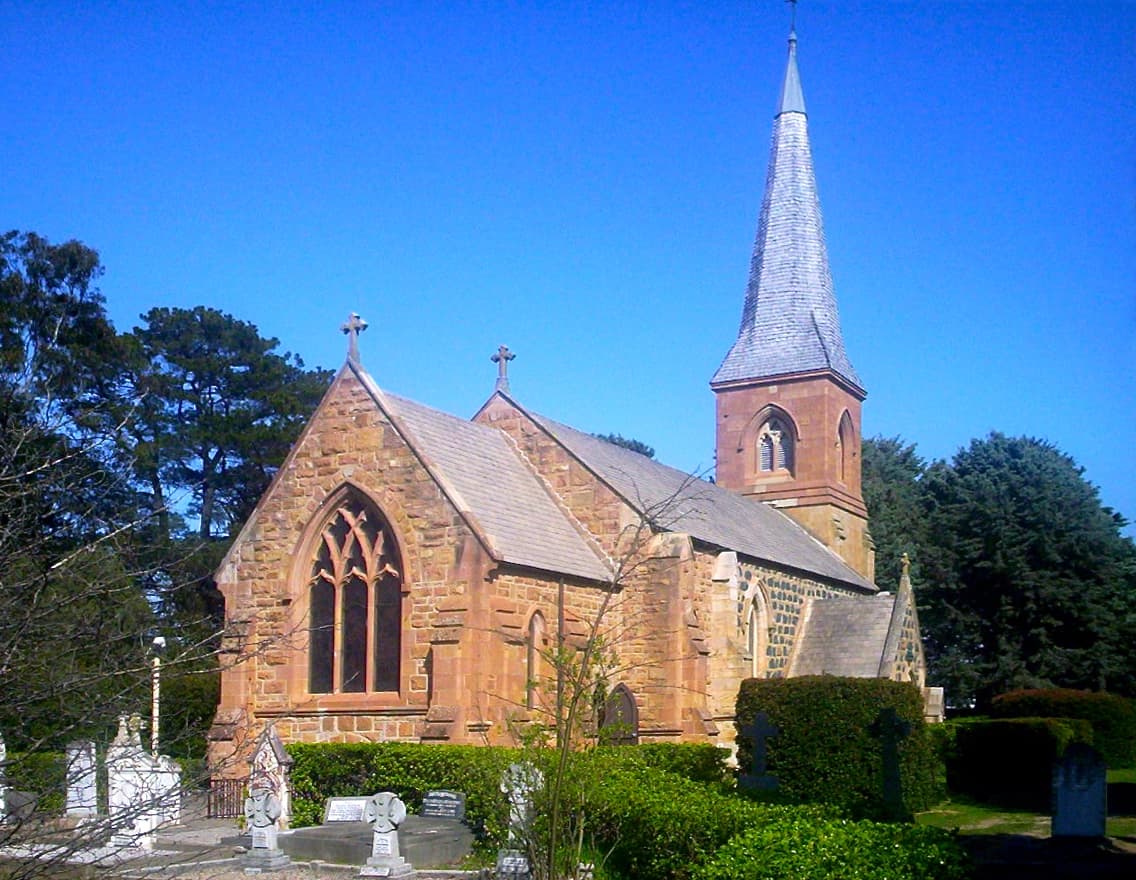
Experience the quiet heritage and colonial charm of this 1840s church in the heart of the capital.
St John the Baptist Church stands as Canberra’s oldest surviving church building, completed in the mid-1840s on what was then pastoral land. Its simple bluestone walls and modest Gothic Revival details offer a tangible link to the earliest European settlement in the region. Visitors appreciate the peaceful churchyard cemetery, the soft light through original stained-glass windows, and the sense of continuity in a city known for modern planning.
Inside, the nave retains its original timber trusses and pews. Look for the memorial plaques that record local families and the small organ that still accompanies occasional services. Outside, the graveyard contains headstones dating back to the 1840s; many mark the lives of early graziers and their workers. A short loop around the grounds takes ten minutes and reveals native trees planted in recent decades alongside the historic plantings.
The church remains an active Anglican parish, so visitors can attend a quiet weekday service or simply sit in reflection when the building is open. Photography is permitted in the grounds at any time and inside when no service is underway.
The church sits in the suburb of Reid, a ten-minute walk northeast from Canberra’s Civic centre. Buses on routes 2, 6 and 7 stop within 200 metres on Cooyong Street. Limited on-street parking is available along Amaroo Street and nearby residential roads; visitors arriving by car should allow extra time on weekdays when local workers use the same spaces.
Canberra’s spring (September–November) and autumn (March–May) bring mild temperatures and clear light ideal for exploring the grounds. Summer visits are pleasant in the early morning or late afternoon when the stone interior stays cooler. Winter days can be crisp, but the low sun highlights the texture of the bluestone walls. The church is open daily for private prayer outside service times, making it suitable year-round.
Combine a visit with the Australian War Memorial, a 15-minute walk south, or continue into Braddon for cafés and independent shops. Lake Burley Griffin’s eastern shore is reachable in under twenty minutes on foot, offering a natural extension to a morning or afternoon outing.
Keep reading
Trace the vision and evolution of Australia’s purpose-built capital through engaging exhibits at this lakeside museum.
The church welcomes visitors daily outside of scheduled services and private events. The grounds remain accessible at all times.
No booking is required for casual visits. Self-guided exploration of the church and cemetery is straightforward and free.
A small number of spaces line the adjacent streets. On busy weekdays, visitors often park a short block away and walk.
Basic information is displayed on headstones. More detailed parish registers are held by the Anglican Diocese and can be accessed through local archives.
Photography is allowed in the nave when no service is in progress. Flash and tripods are discouraged out of respect for worshippers.
Discover the enduring legacy of aGOG, a pioneering venue that championed Australian women artists in the national…
Tackle this modest peak in the Australian Capital Territory for sweeping views across the Brindabella Ranges and quiet…