
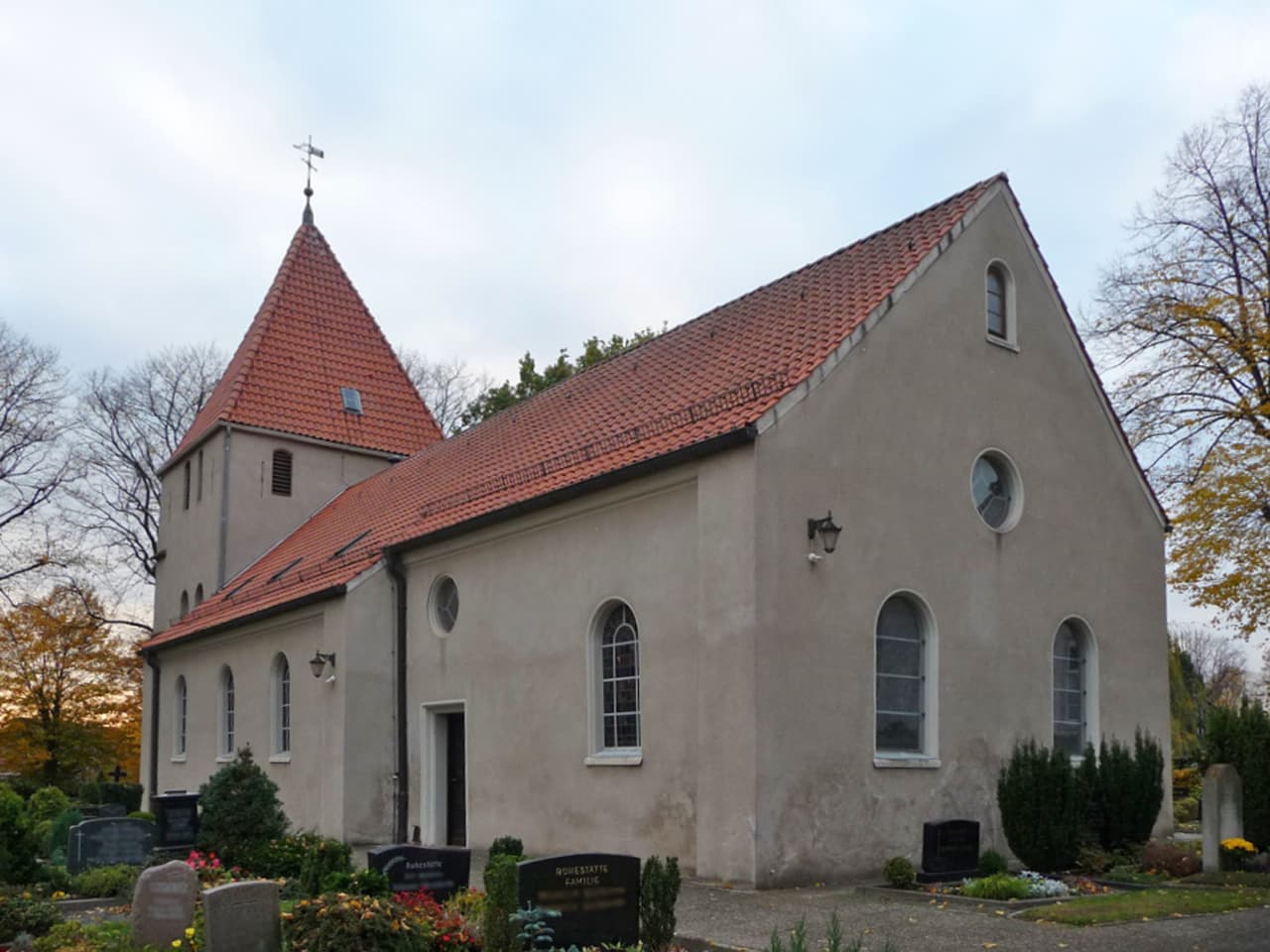
St. Jacobi Church in Seehausen: Timeless Architecture in Bremen
Step inside this 13th-century village church for peaceful interiors, medieval details, and a quiet glimpse of Bremen's rural heritage.
History of St. Jacobi
St. Jacobi in Seehausen stands as one of the oldest surviving churches in the Bremen area, with roots tracing back to the early 13th century. Originally serving a small farming community, the church has witnessed centuries of regional change while retaining its simple, sturdy character typical of northern German village architecture.
Architectural Highlights
The building features a modest brick exterior with a prominent tower that once guided travelers across the flat landscape. Inside, visitors find a bright nave with whitewashed walls, wooden pews, and a historic pulpit. The baptismal font and a few surviving medieval stone carvings add quiet interest without overwhelming the space. Stained-glass windows from later periods introduce soft color on sunny days.
Visiting the Church
Walk the short path around the churchyard to appreciate the surrounding old graves and mature trees. The interior rewards a slow pace; sit for a few minutes to absorb the calm atmosphere. Occasional organ recitals or seasonal services provide opportunities to hear the acoustics, though the building is primarily a place for reflection rather than performance.
Getting There
Seehausen lies on the southern edge of Bremen and is easily reached by local bus from the city center or by bicycle along the Weser River paths. Parking is available nearby for those arriving by car. The flat terrain makes the church a convenient stop during a longer cycling tour of the region.
Best Time to Visit
Spring and early autumn offer the most pleasant conditions for exploring both the church and its surroundings. Summer brings longer daylight for combining a visit with nearby walks, while winter visits highlight the building’s warm interior against the often gray northern skies. Avoid major Christian holidays if you prefer solitude.
Nearby Attractions
Combine your visit with a stroll through Seehausen’s quiet streets or continue to the nearby Weser promenade for river views. The larger Bremen city center, with its market square and cathedral, lies a short journey away, offering contrast between urban landmarks and this rural church setting.
Visitor tips
- Allow at least 30 minutes to explore both the interior and the peaceful churchyard without rushing.
- Wear comfortable shoes if combining the visit with a walk along the river paths that connect Seehausen to central Bremen.
- Check local event listings for occasional concerts; the modest space creates an intimate listening experience.
- Respect the active congregation by keeping voices low and avoiding photography during services.
Frequently asked questions
Is St. Jacobi open to tourists every day?
The church welcomes visitors during regular opening hours outside of services; times can vary with community events.
What is the architectural style of St. Jacobi?
It is a classic example of early Gothic brick construction common in northern Germany, with later additions to the tower and windows.
Are there guided tours available?
Local volunteers sometimes offer informal tours; inquire at the parish office or check notice boards for upcoming dates.
Can I take photographs inside the church?
Photography is generally allowed when no service is underway, but flash should be avoided to protect the historic surfaces.
Is the church accessible for visitors with mobility needs?
The main entrance has a small step; the flat churchyard paths are mostly accessible, though the tower is not open to the public.