Why Visit St. Angarii-Kirche
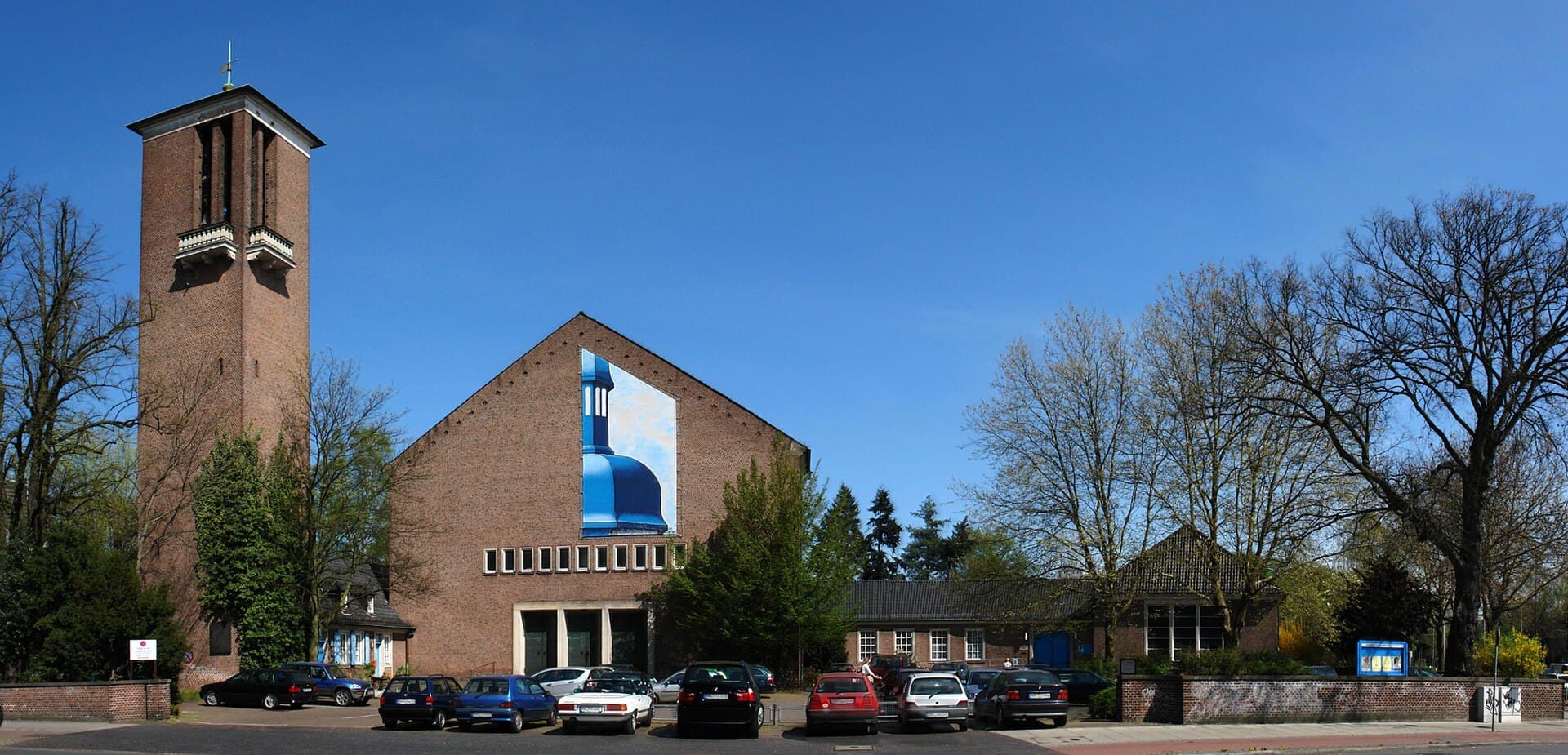
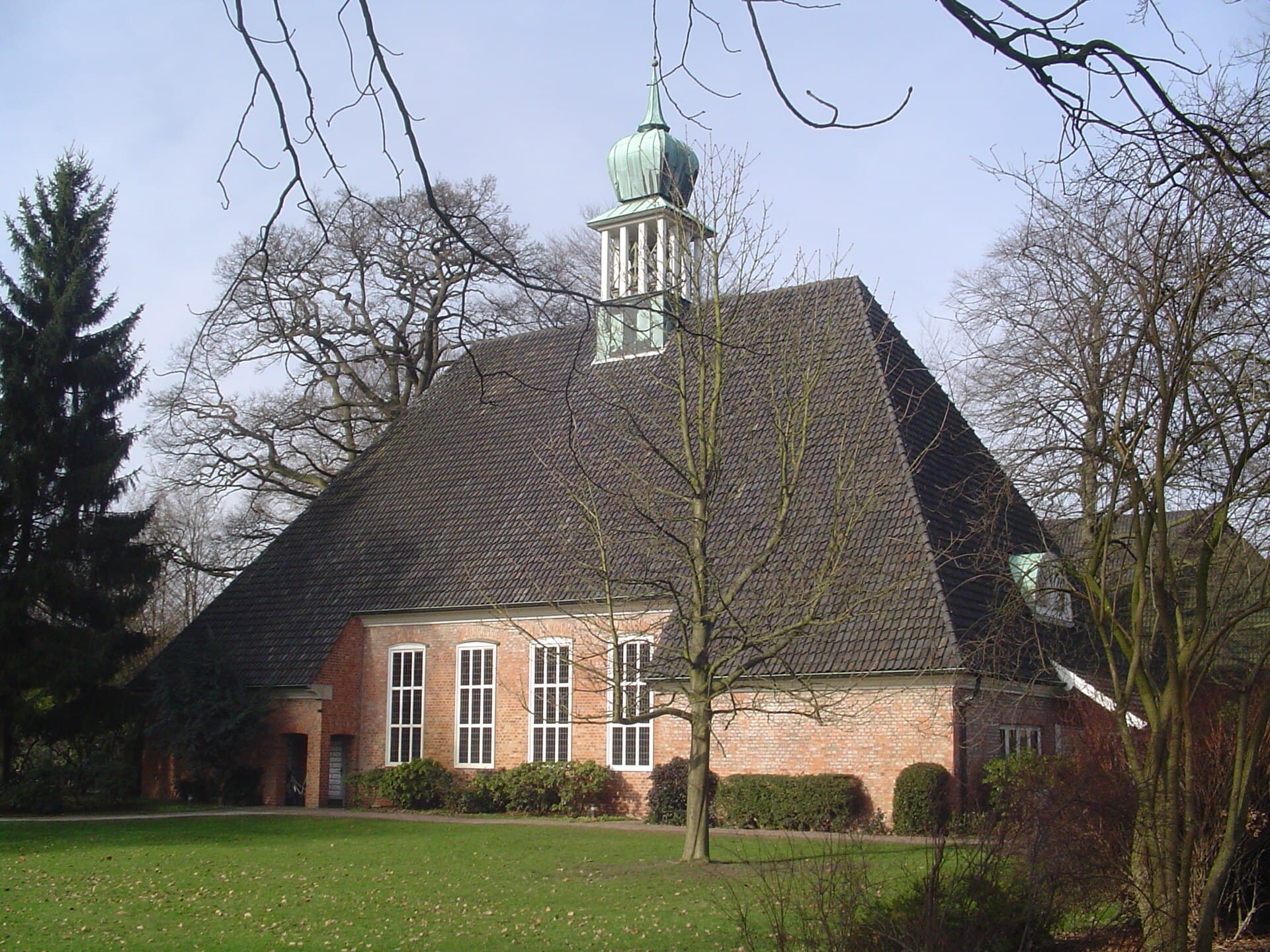
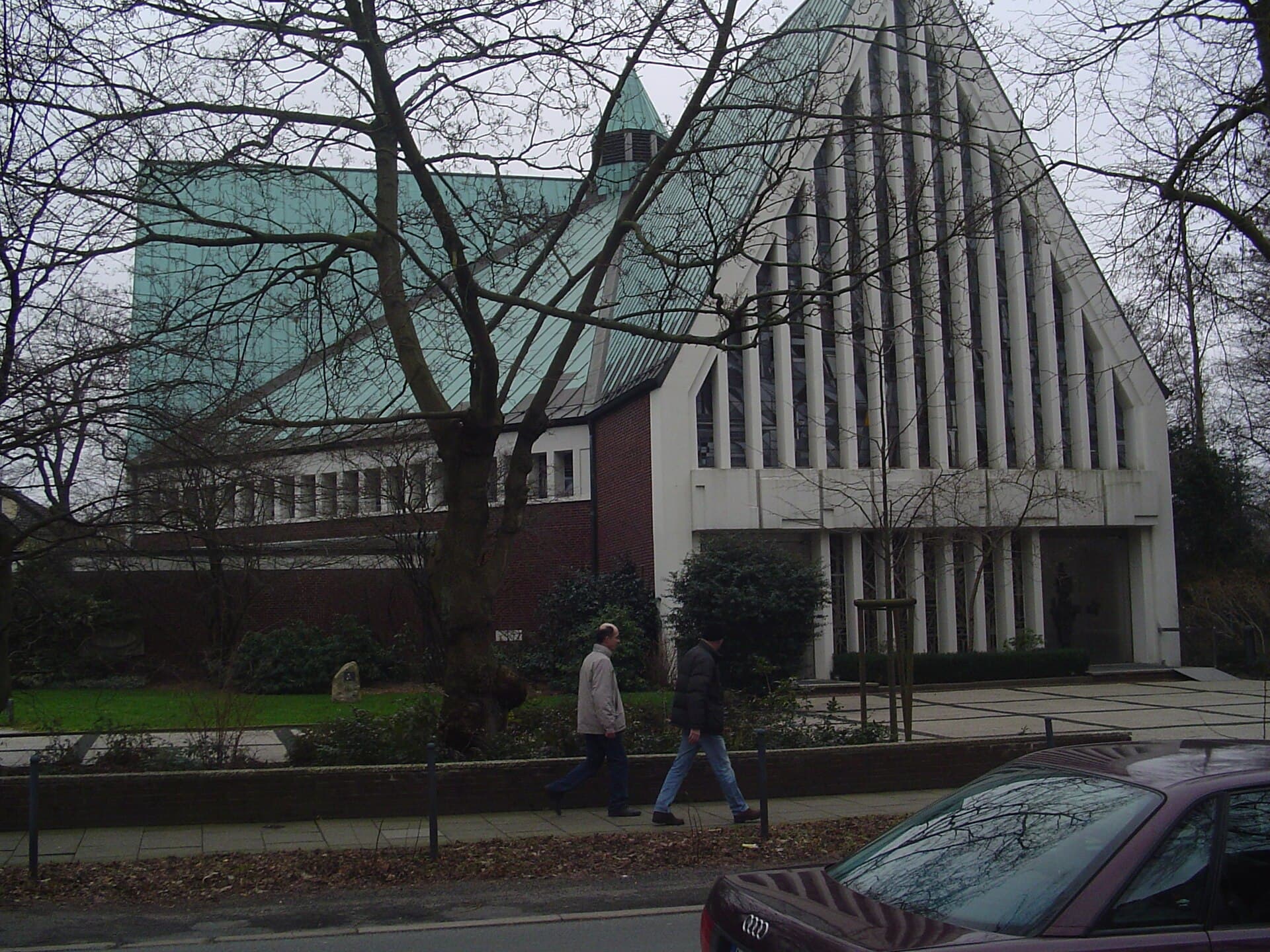
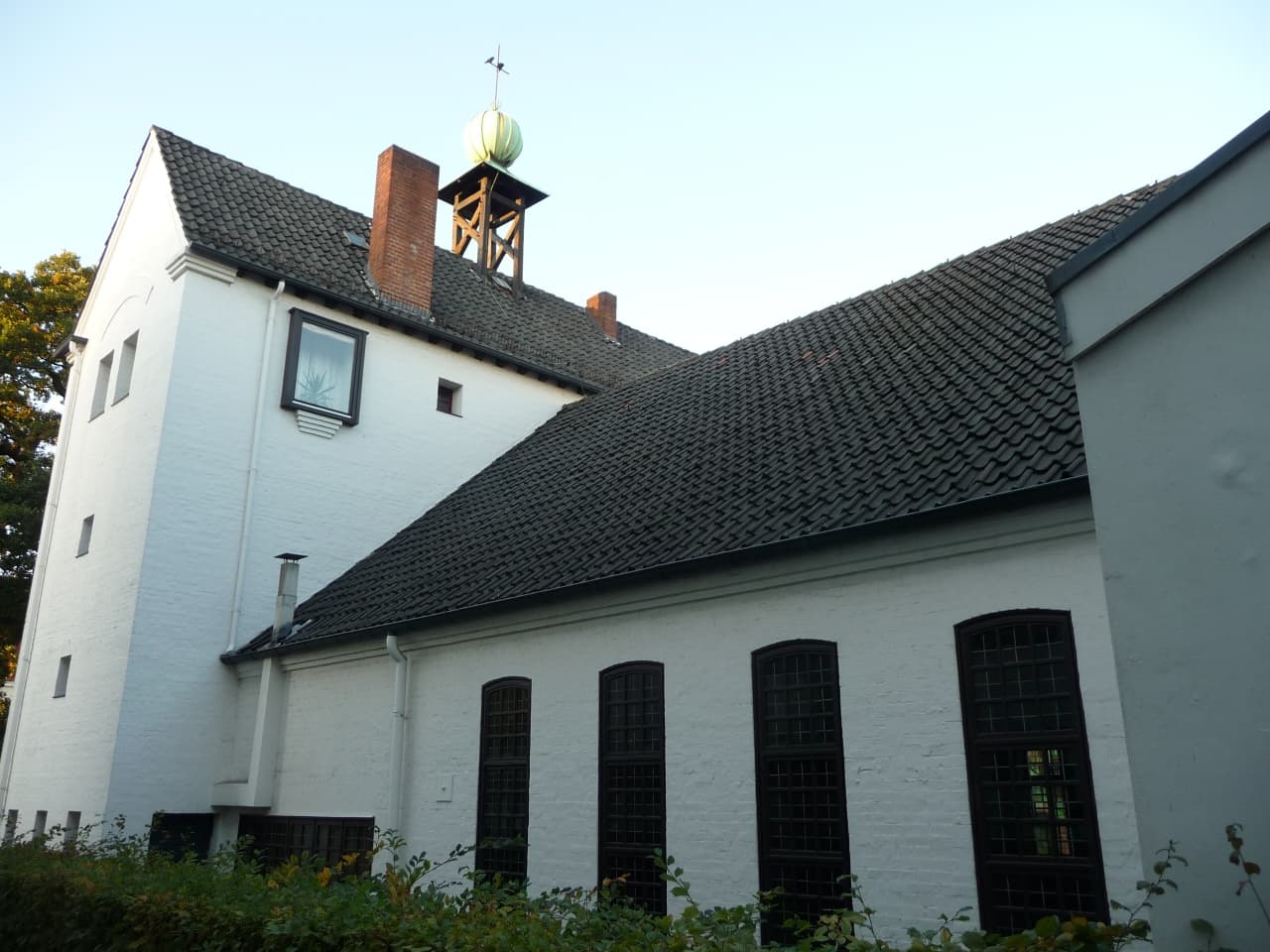
St. Angarii-Kirche stands as a striking example of neo-Gothic brick architecture in the affluent Schwachhausen neighborhood. Completed in the 1860s, the church’s tall spire serves as a local landmark visible from surrounding streets, while its calm interior offers a peaceful contrast to Bremen’s bustling city center. Visitors appreciate the building’s clean lines, pointed arches, and warm red-brick exterior that blend harmoniously with the tree-lined avenues nearby.
Architectural Highlights
The exterior features stepped gables and slender lancet windows typical of the period. Inside, the nave rises to a wooden barrel vault that draws the eye upward. Stained-glass windows along the side aisles depict biblical scenes in rich colors, and the carved wooden pulpit and altar add fine craftsmanship details. The organ loft at the west end houses an instrument still used for occasional recitals, filling the space with resonant sound during events.
Best Time to Visit
Spring and early autumn deliver comfortable temperatures for walking the surrounding residential streets and gardens. Summer evenings sometimes bring outdoor concerts in the churchyard, while winter visits highlight the warm glow of interior lighting against the dark brick. Weekday mornings generally provide the quietest atmosphere for reflection or photography.
Getting There
St. Angarii-Kirche sits just north of Bremen’s main railway station. Frequent trams and buses stop within a five-minute walk; cyclists can use dedicated paths along the nearby streets. On foot from the city center, the route passes through the pleasant Bürgerpark, making the journey itself part of the experience. Limited street parking is available for drivers, though public transport is simpler in this compact district.
Nearby Attractions
After exploring the church, stroll through Schwachhausen’s elegant villas and small parks. The expansive Bürgerpark lies a short distance south, offering lakes, cafés, and walking trails. Further afield, the historic Bremen Cathedral and the lively Schnoor quarter provide additional cultural stops, easily reached by the same tram lines that serve the church.